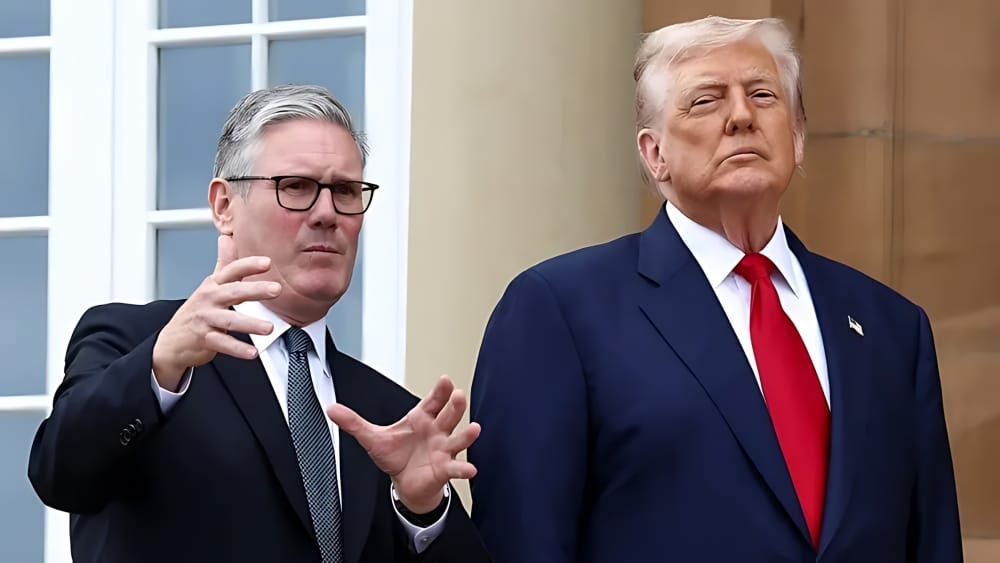
In a move that sparked widespread reaction on social media, US President Donald Trump posted a satirical video on his Truth Social platform, mocking British Prime Minister Keir Starmer. The video, which depicts a scene from a television comedy sketch, indirectly highlights the nature of the relationship between Trump and Starmer, showing the latter in a state of extreme anxiety and tension as he tries to avoid a phone call from the US president, who has made a strong comeback to the political scene.
The historical context of the strained relationship between Trump and Starmer
To understand the implications of this satirical passage, one must consider the broader context and historical background of US-UK relations, historically known as the “special relationship.” For decades, Washington and London have maintained a close strategic alliance, but the rise of figures with divergent ideological backgrounds has often strained this alliance. The relationship between Trump and Starmer exemplifies this divergence; while Trump embraces right-wing populist policies centered on the principle of “America First,” Starmer leads the social-democratic (center-left) British Labour Party, creating a natural gap in visions and policies between the two men.
Historically, Trump has not hesitated to launch scathing attacks on European leaders who disagree with him. At the outset of the recent geopolitical tensions, Trump launched a fierce attack on Starmer, accusing him of failing to support the United States and declaring that he was “not happy with the United Kingdom.” He even went so far as to mock the British Prime Minister by comparing him to historical figures, saying, “This is not Winston Churchill,” reflecting the depth of the diplomatic rift between the two administrations.
Details of the comedic scene: Panic at the Prime Minister's office
The controversial scene aired in the first episode of the new British version of "Saturday Night Live," adapted from the popular American comedy show. The clip shows actor George Forekers, portraying Keir Starmer, in a state of panic and confusion inside the Prime Minister's residence at Downing Street, simply because of the possibility of a phone call from Trump.
In the video, Starmer turns to an actor playing David Lammy, asking anxiously, “What if Donald yells at me?” When Trump answers the phone, Starmer abruptly hangs up in a comical scene, wondering why it’s so difficult to talk to “that scary, wonderful president.” Lammy chimes in, “Sir, be honest and tell him we can’t send any more ships into the Strait of Hormuz.” Starmer responds with a desperate attempt at appeasement: “I just want to keep him happy, Lammy. You don’t understand him like I do; I can change him.” Despite the clip’s widespread circulation, Trump has not issued any official statement clarifying his intentions in releasing it.
The strategic importance and impact of the event regionally and internationally
The significance of this event extends beyond mere political satire, reflecting anticipated repercussions at the local, regional, and international levels. Domestically in Britain, this video places additional pressure on Starmer's government to demonstrate its ability to deal pragmatically with a Trump-led US administration without compromising sovereignty or resorting to rash actions. Internationally, Trump sends a veiled message to his allies that he expects complete compliance with his foreign policy.
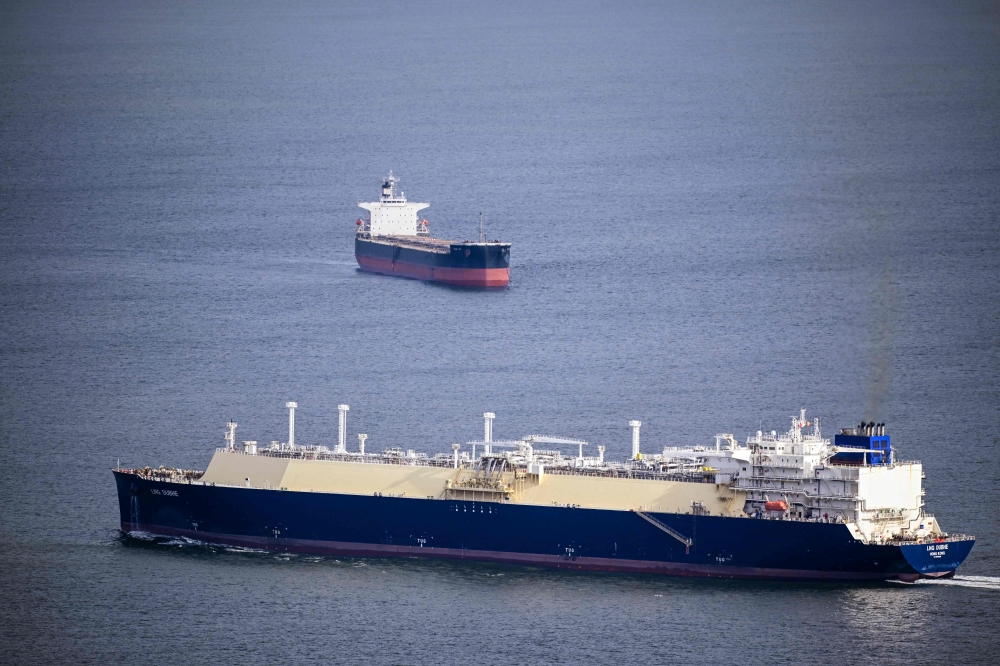
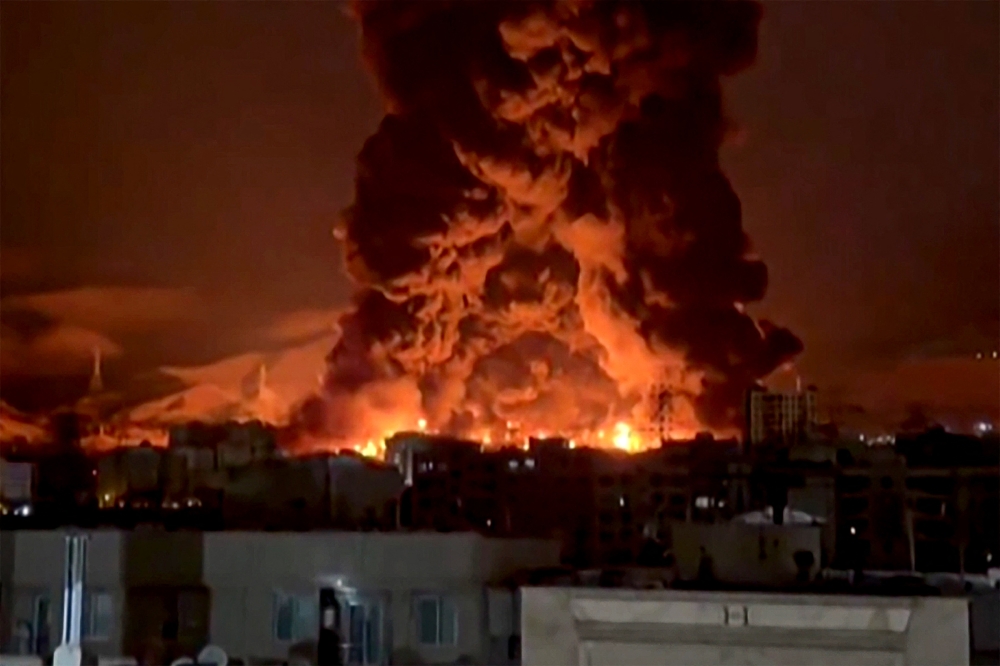
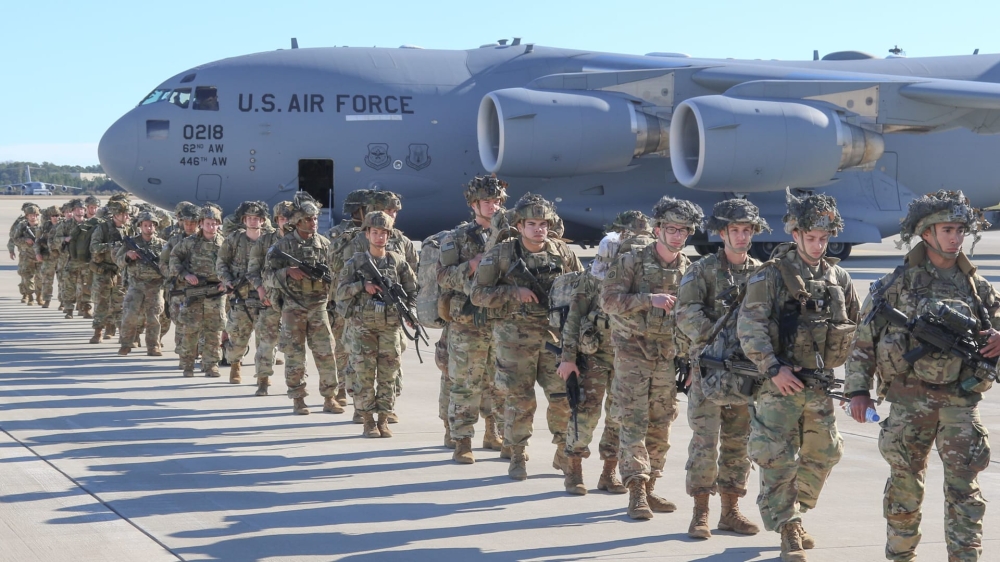
Regionally, the reference to the Strait of Hormuz in the comedy sketch touches a raw nerve in global politics. The strait is a strategic and vital shipping lane for global energy supplies. The region has witnessed unprecedented tensions, particularly with threats to close it in response to military tensions and tit-for-tat attacks in the Middle East. In this complex context, Starmer initially refused to allow Britain to play any direct role in the military escalation, but later, under pressure, agreed to a US request to use two British military bases for a “specific and limited” defensive purpose. This British hesitation is what the comedy program seized upon, and which Trump exploited as a tool for political and media pressure.