A radical shift in relations: Washington hints at support for Venezuela's oil sector
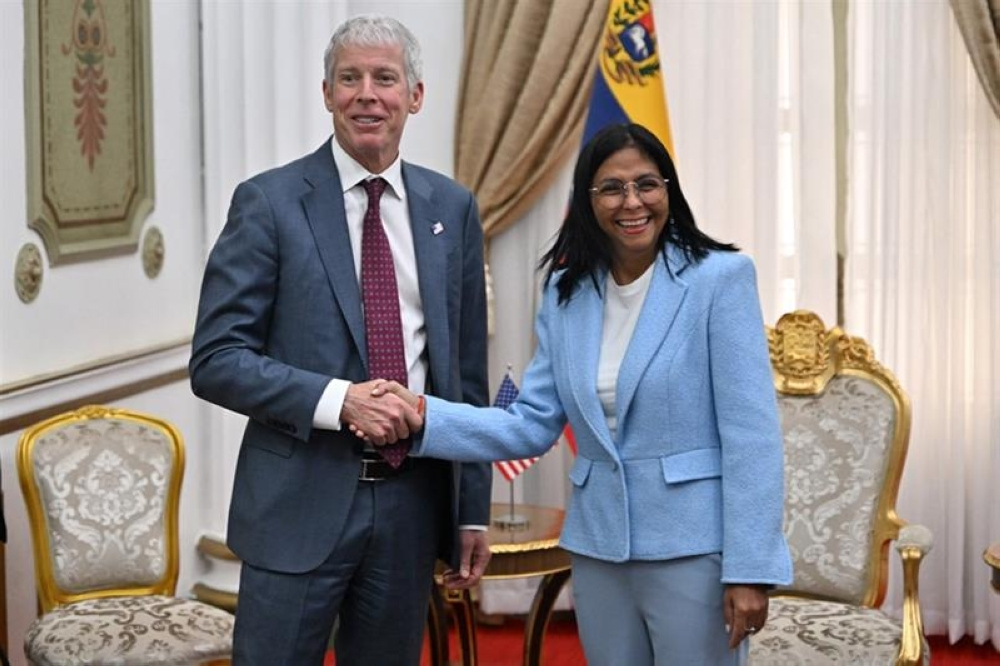
In a move that could represent a dramatic shift in Washington’s policy toward Caracas, Chris Wright, a top energy advisor to US presidential candidate Donald Trump, pledged to push for a massive increase in Venezuelan oil and gas production. This pledge followed high-level talks he held in the Venezuelan capital, Caracas, with Vice President Delcy Rodríguez and other officials, suggesting a possible willingness on the part of a future Trump administration to adopt a new approach based on economic cooperation rather than the previous “maximum pressure” policy.
Historical background: From sanctions to conditional openness
This visit comes against a backdrop of years of strained relations between the two countries, which reached a peak in 2019 when the Trump administration imposed sweeping economic sanctions on Venezuela’s oil sector and its state-owned oil company, PDVSA. These sanctions were intended to isolate President Nicolás Maduro’s government and force him to step down. These measures, coupled with years of mismanagement and underinvestment, have led to the near collapse of Venezuela’s oil industry, which possesses the world’s largest proven oil reserves, with production plummeting from over 3 million barrels per day to a fraction of that figure.
The importance of the event and its expected impact
Following his meeting at the presidential palace, Wright stated that “a surge in Venezuela’s oil, natural gas, and electricity production would improve the quality of life for all Venezuelans.” He asserted that the oil embargo on Venezuela was “effectively over,” emphasizing the Trump campaign’s commitment to a fundamental transformation of bilateral relations. This visit, the highest-level by a Trump campaign representative, opens the door to the potential return of American energy companies to invest billions of dollars in revitalizing Venezuela’s crumbling energy infrastructure.
Impact on global energy markets
Internationally, Venezuela’s return as a major player in the oil market could have a significant impact. Increased Venezuelan oil supply could help stabilize global energy prices, which have been affected by geopolitical conflicts in Europe and the Middle East. This potential rapprochement also represents a US attempt to counter the growing influence of its rivals, such as China and Russia, which have strengthened their presence in Venezuela’s energy sector during the sanctions period. A US-assisted revival of Venezuela’s oil industry could shift the geopolitical balance of power in the Western Hemisphere and reshape the global energy landscape.
The role of the American private sector
The U.S. Embassy confirmed in a statement that the American private sector will play a pivotal role in bolstering Venezuela's oil sector, modernizing its electricity grid, and unlocking its vast potential. Wright is scheduled to visit oil fields in the country to assess the situation firsthand. These steps, if implemented, will not only benefit Venezuela's struggling economy but will also provide significant investment opportunities for U.S. companies, creating a mutually beneficial economic relationship.