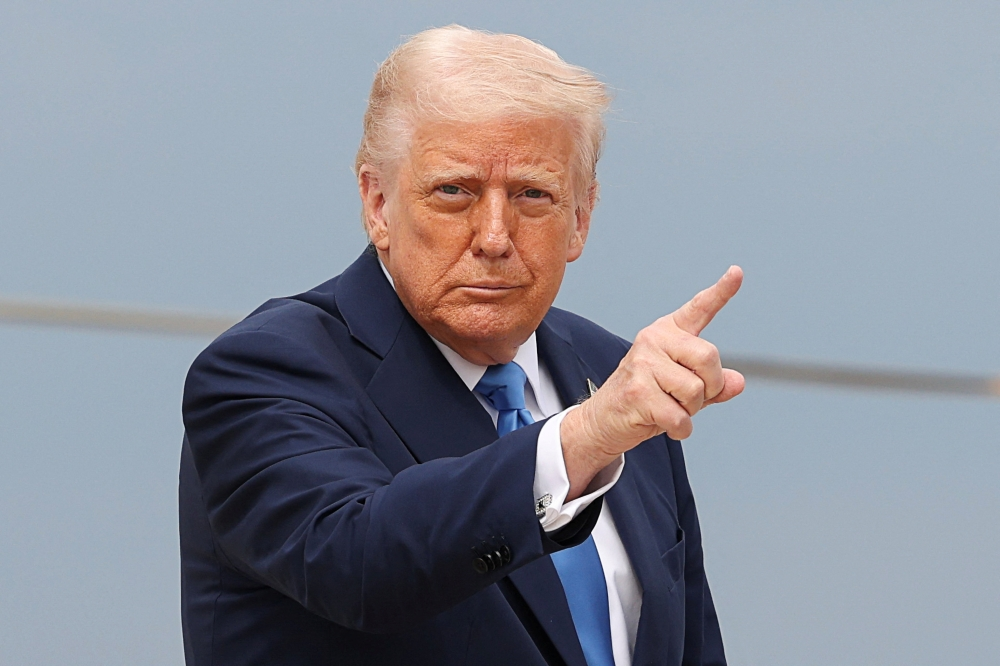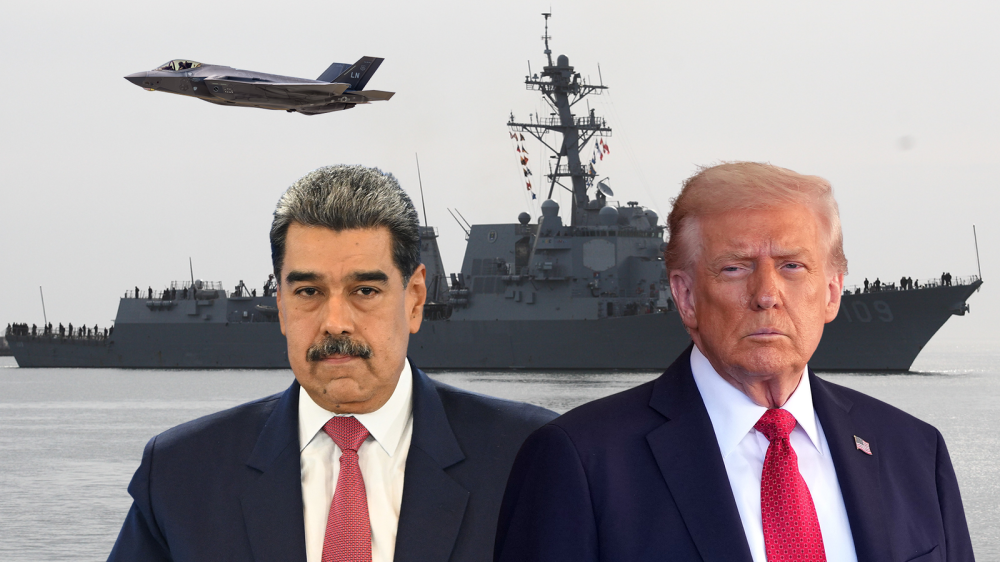
In a notable development in the escalating crisis between Washington and Caracas, US President Donald Trump sent a direct message to his Venezuelan counterpart Nicolas Maduro, urging him to make a “wise” decision to step down from power, amid unprecedented military and diplomatic tensions in the region.
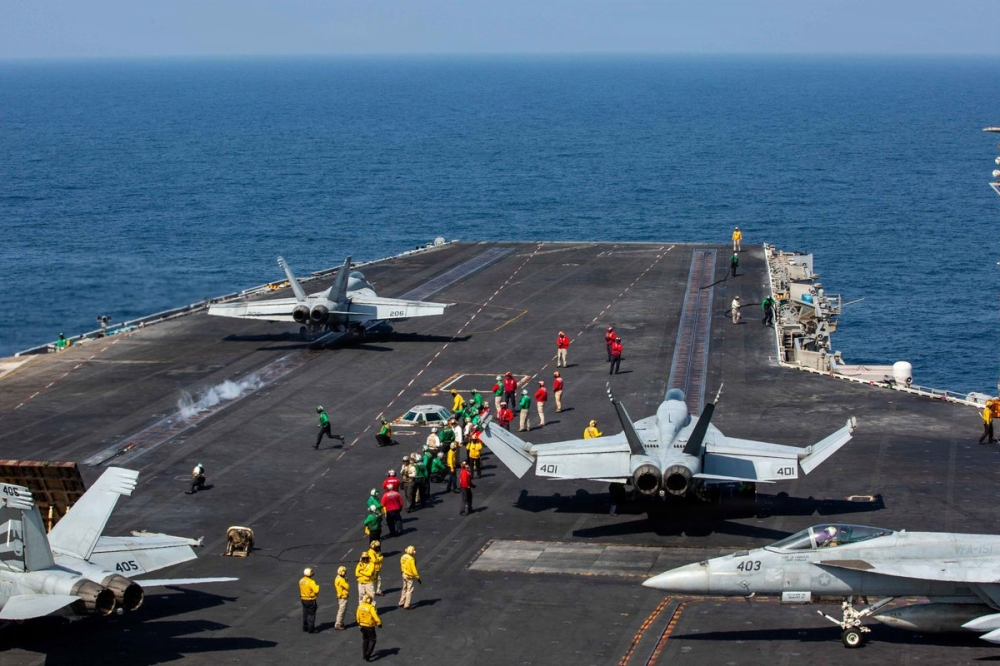
Trump's remarks came during a press conference at his Florida residence, where he responded to questions about whether recent U.S. actions were aimed at ending Maduro's 12-year rule. "It's up to him to decide what he wants to do, but I think it would be wise for him to step down," Trump said, in a tone that combined warning and advice. These comments coincide with intensified U.S. measures, including a naval blockade and attacks on oil tankers.
Russia: Unwavering support and accusations of piracy
On the other side of the conflict, Moscow was quick to declare its support for its Latin American ally. Russia announced its full support for Venezuela in the face of what it described as "American aggression." This support came via a telephone call between Russian Foreign Minister Sergey Lavrov and his Venezuelan counterpart, Iván Gil.
The Venezuelan minister confirmed that the talks addressed “flagrant violations of international law in the Caribbean,” describing US actions as acts of “piracy” that include attacks on boats and extrajudicial killings. For its part, the Russian Foreign Ministry issued a statement expressing its deep concern over the US escalation and reiterating its solidarity with the Venezuelan leadership and people on the eve of a UN Security Council meeting to discuss the crisis.
Background to the conflict: a struggle for influence and resources
This escalation cannot be understood in isolation from the historical and political context of the strained relations between the two countries. For years, the United States has imposed crippling economic sanctions on Venezuela, primarily targeting the oil sector, the lifeblood of the Venezuelan economy. Washington, along with much of the Western international community, considers Maduro's rule to lack democratic legitimacy, particularly after the 2018 elections and subsequent elections marred by allegations of fraud.
In contrast, Maduro clings to power, supported by the military and powerful international allies, most notably Russia, China, and Iran, who see Venezuela as a strategic foothold for challenging American influence in the Western Hemisphere. Moscow views attempts to oust Maduro as part of a US strategy to change regimes not aligned with its interests, which explains Russia's swift and robust support.
Regional and international repercussions
This event is particularly significant given its direct impact on global energy markets and the stability of Latin America. Venezuela possesses the world's largest proven oil reserves, and any major instability or military conflict could lead to sharp fluctuations in oil prices. Furthermore, a return to the US "maximum pressure" policy could trigger new waves of migration affecting neighboring countries and the United States itself.
Internationally, this scenario revives the atmosphere of the Cold War, as the Venezuelan crisis becomes an arena for settling scores between the superpowers in the Security Council, which portends further international polarization and complicates diplomatic solutions to other global crises.