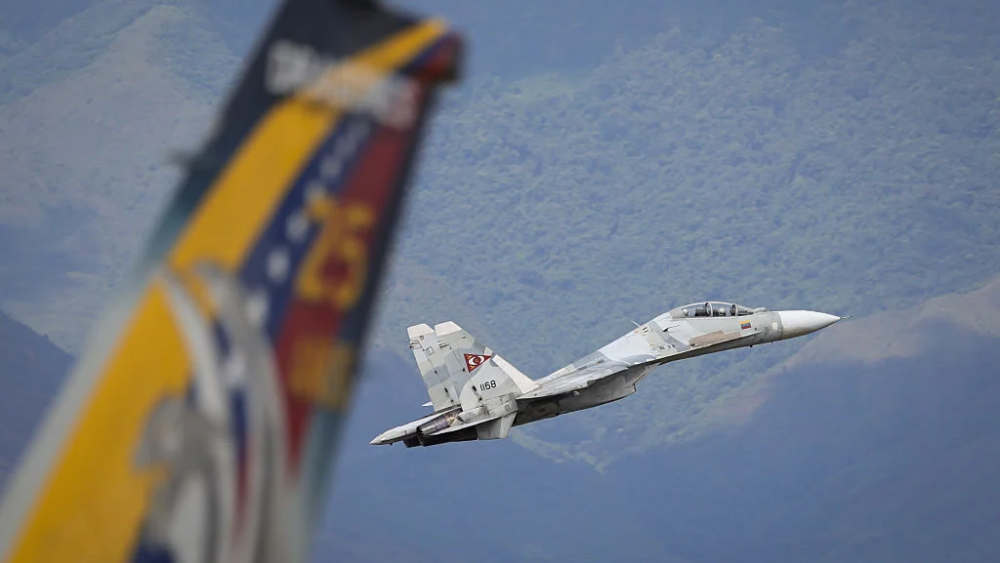
في خطوة عكست تصاعد التوترات السياسية بين واشنطن وكاراكاس، أعلنت إدارة الرئيس الأمريكي السابق دونالد ترامب في مايو 2019 عن تعليق جميع الرحلات الجوية المباشرة، سواء التجارية أو الخاصة بالبضائع، بين الولايات المتحدة وفنزويلا. جاء هذا القرار كجزء من استراتيجية الضغط الأقصى التي انتهجتها الإدارة الأمريكية لدفع الرئيس الفنزويلي نيكولاس مادورو إلى التخلي عن السلطة.
خلفية القرار والسياق السياسي
لم يكن قرار تعليق الرحلات الجوية وليد اللحظة، بل جاء تتويجاً لأشهر من التدهور الحاد في العلاقات الدبلوماسية. فبعد الانتخابات الرئاسية الفنزويلية المثيرة للجدل في عام 2018، والتي اعتبرتها الولايات المتحدة والعديد من الدول الغربية مزورة، اعترفت واشنطن بزعيم المعارضة خوان غوايدو، رئيس الجمعية الوطنية آنذاك، رئيساً مؤقتاً شرعياً للبلاد في يناير 2019. أدى هذا الاعتراف إلى قطع العلاقات الدبلوماسية بين البلدين وفرضت الولايات المتحدة سلسلة من العقوبات الاقتصادية الشديدة على قطاع النفط الفنزويلي وشخصيات بارزة في حكومة مادورو بهدف شل قدرتها على الحكم.
الأسباب الرسمية والتأثيرات المباشرة
بررت وزارة النقل الأمريكية القرار بوجود “ظروف تهدد سلامة وأمن الركاب والطائرات وأفراد الطواقم”. استند القرار إلى تقييمات من وزارة الأمن الداخلي التي أشارت إلى عدم استقرار الأوضاع السياسية والأمنية المتزايدة في فنزويلا، مما يجعل المطارات الفنزويلية غير آمنة للرحلات القادمة من الولايات المتحدة. وقد سبق هذا القرار تحذير من إدارة الطيران الفيدرالية (FAA) للطيارين الأمريكيين بتجنب التحليق على ارتفاعات منخفضة في المجال الجوي الفنزويلي.
الأهمية والتأثيرات الإقليمية والدولية
كان لقرار حظر الطيران تأثيرات عميقة على الصعيدين الإنساني والاقتصادي. فعلى المستوى الإنساني، أدى القرار إلى تعقيد حياة آلاف الفنزويليين الذين يعيشون في الولايات المتحدة أو لديهم أقارب هناك، حيث أصبح السفر بين البلدين يتطلب رحلات طويلة ومكلفة عبر دول ثالثة مثل بنما أو كولومبيا أو جمهورية الدومينيكان. أما على الصعيد السياسي، فقد زاد القرار من عزلة نظام مادورو، وقطع أحد الشرايين الحيوية القليلة المتبقية التي تربط فنزويلا بالعالم الخارجي، وخاصة بالولايات المتحدة التي تضم أكبر جالية فنزويلية في الخارج. شكل هذا الإجراء جزءاً لا يتجزأ من سياسة أمريكية أوسع تهدف إلى إضعاف قبضة مادورو على السلطة ودعم المعارضة بقيادة غوايدو، مما رسخ الأزمة الفنزويلية كإحدى أبرز نقاط الخلاف الجيوسياسي في نصف الكرة الغربي.