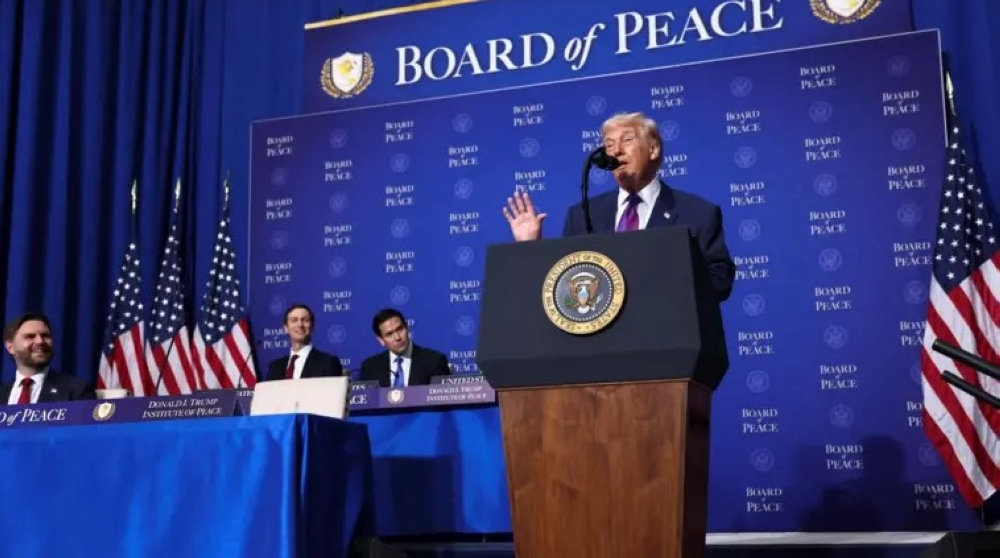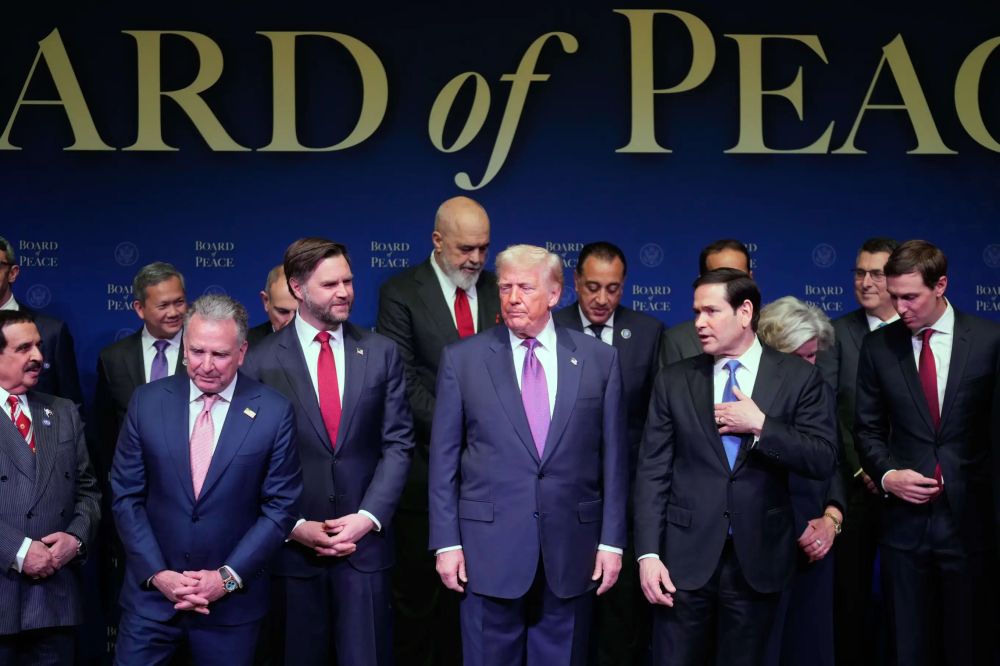
In a historic event described by then-US President Donald Trump as "one of the most important things" he had done, the White House hosted the signing ceremony for the Abraham Accords, which ushered in a new era of diplomatic relations in the Middle East. In his opening remarks, Trump welcomed the leaders and representatives of the participating countries, noting that many of them had become "great friends," and emphasizing the profound impact these agreements would have on the future of the region.
Historical background and regional context
These agreements come in the context of decades of Arab-Israeli conflict, during which most Arab states refused to establish formal relations with Israel before a just solution to the Palestinian issue was reached, in accordance with the Arab Peace Initiative adopted in 2002. Prior to the Abraham Accords, Egypt (1979) and Jordan (1994) were the only two Arab states to have signed peace treaties with Israel. This move represented a strategic shift in regional politics, as some countries moved away from the “land for peace” formula and adopted an approach focused on shared interests and economic and security cooperation to address regional challenges.
The importance of the event and its expected impact
The Abraham Accords, signed on September 15, 2020, marked a major diplomatic turning point. Under these agreements, the United Arab Emirates and the Kingdom of Bahrain fully normalized their relations with Israel. Regionally, these agreements opened the door to broad cooperation in technology, trade, tourism, and security, and established a new regional alliance aimed at countering shared threats, primarily Iranian influence in the region. Other countries, such as Sudan and Morocco, followed suit, further bolstering the diplomatic momentum.
Internationally, the Trump administration considered these agreements a major foreign policy achievement, having succeeded in a diplomatic breakthrough that had eluded previous administrations. However, the move was met with staunch rejection from the Palestinian leadership, which deemed it a betrayal of the Palestinian cause and a stab in the back of Arab consensus, asserting that it undermines the prospects for an independent Palestinian state with East Jerusalem as its capital. The long-term impact of these agreements remains to be assessed, but they have undoubtedly fundamentally reshaped the political landscape of the Middle East.