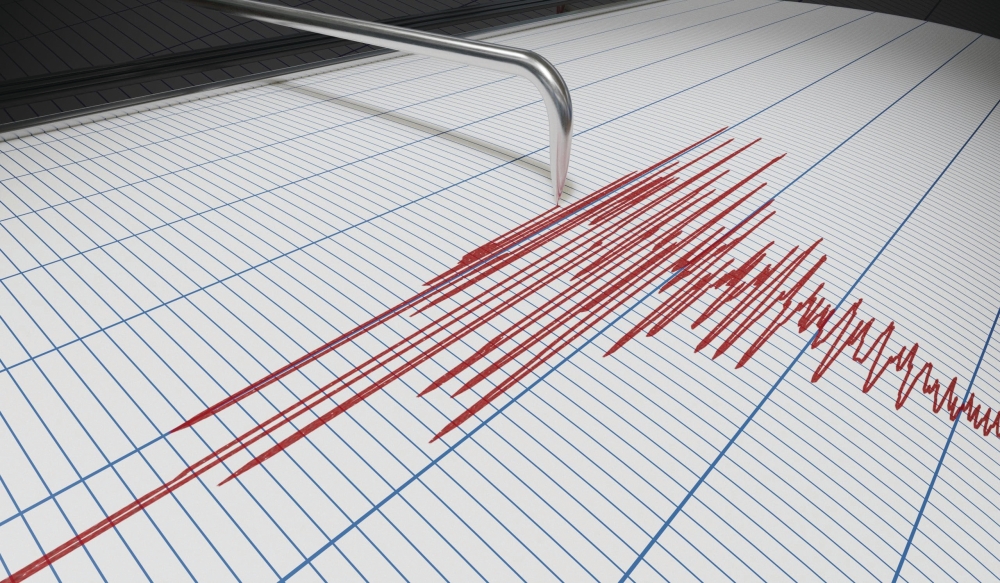
earthquake struck in the South Pacific, triggering heightened anxiety across the island nation. According to initial reports from the U.S. Geological Survey, the quake struck at a depth of approximately 237 kilometers (130 miles) below the Earth's surface. The epicenter was located offshore, 153 kilometers (77 miles) west of Neiafu, Tonga's second-largest city. Despite the earthquake's intensity, there were no immediate reports of major damage or casualties, partly due to its considerable depth, which often reduces the intensity of surface tremors and limits their immediate destructive potential.
History of seismic activity in the Ring of Fire region
To understand the nature of this geological event, one must consider the unique geographical location of this island nation. Tonga lies within the Pacific Ring of Fire, a vast, horseshoe-shaped region characterized by extremely intense seismic and volcanic activity. This ring contains more than 75% of the world's active and dormant volcanoes and experiences approximately 90% of the earthquakes that strike the planet. Historically, Tonga and many of its neighboring islands have been subjected to a series of powerful earthquakes and tsunamis. A prime example is the eruption of the Hunga Tonga-Hunga Ha'apai volcano in early 2022, which triggered a tsunami that impacted coastlines around the world. This long history of tectonic activity makes monitoring earthquakes in this region crucial for scientists and authorities, as the Australian and Pacific tectonic plates constantly collide, generating immense pressure that builds up over time and is released suddenly in the form of earthquakes of varying intensity.
Expected impacts and strategic importance of monitoring the Tonga earthquake
The Tongan earthquake carries significant implications that extend far beyond its local boundaries, encompassing regional and international repercussions. Locally, such earthquakes put Tongan's infrastructure to the test, prompting authorities to continuously update their emergency and evacuation plans to ensure the safety of residents across the islands. Regionally, any major seismic activity in the South Pacific raises concerns for neighboring countries like Fiji, New Zealand, and Australia, particularly regarding the potential for devastating tsunamis. Although the recent earthquake occurred at a considerable depth, significantly reducing the risk of a tsunami, Pacific early warning centers remain on high alert, analyzing seismic data and issuing immediate warnings if necessary. Internationally, these deep geological events provide invaluable scientific data for scientists and researchers worldwide to understand the dynamics of tectonic plate movement deep within the Earth's mantle. Studying the seismic waves generated by these tremors helps refine global geological models, directly contributing to the development of prediction and early warning technologies, and ultimately protecting lives and property in all vulnerable coastal areas around the world.