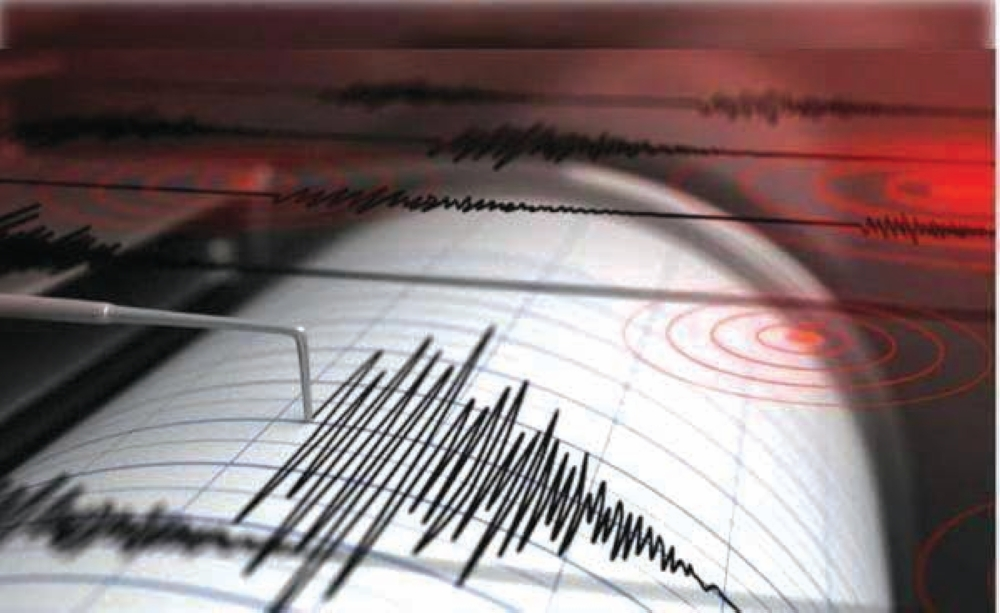
A magnitude 5 earthquake struck off the coast of Tonga in the South Pacific today, with no immediate reports of damage or casualties. This seismic activity further underscores the geologically active nature of this region.
According to the U.S. Geological Survey (USGS), the earthquake's epicenter was located approximately 108 kilometers northeast of Heihefu, at a relatively shallow depth of 10 kilometers. Due to its moderate magnitude and offshore location, no tsunami warnings were issued for the area.
Tonga is at the heart of the 'Ring of Fire'
The Kingdom of Tonga, an archipelago of over 170 islands, lies in a critical geographical location known as Ring of Fire. This region is a vast, 40,000-kilometer-long belt of seismic and volcanic activity that is among the highest in the world, accounting for most of the world's earthquakes and most of its active volcanoes.
This intense activity is due to tectonic plate movement, as Tonga lies near the Tonga-Kermadec Trench, one of the deepest ocean trenches in the world. In this region, the Pacific Plate subducts beneath the Australian Plate, a process known as subduction. This continuous movement causes a massive buildup of pressure between the two plates, which is released suddenly in the form of earthquakes of varying magnitudes.
Importance and expected impact
Although today's earthquake caused no damage, it serves as a constant reminder of the natural hazards facing Pacific island nations. The region's recent history is replete with major geological events, most notably the eruption of Hunga Tonga-Hunga Ha'apai in January 2022, one of the most powerful volcanic eruptions on record in modern times, which triggered devastating tsunamis that impacted Tonga and neighboring countries.
The frequency of these earthquakes, even moderate ones, prompts local authorities and international organizations to maintain a high state of alert, develop early warning systems, and raise public awareness about how to deal with natural disasters. While this earthquake is considered a routine event from a geological perspective, it underscores the importance of continuous monitoring of seismic activity in the Ring of Fire to mitigate risks and protect lives and property in this vital region of the world.