A moderate earthquake strikes the islands of Tonga
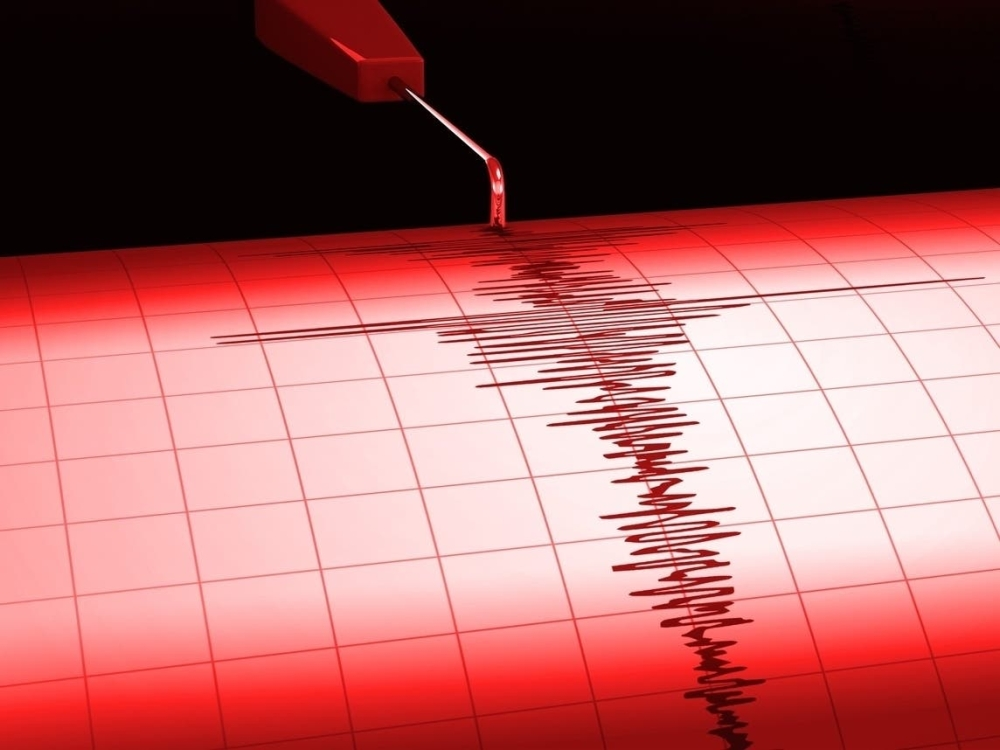
A 5.2 magnitude earthquake struck Tonga, an archipelago in the South Pacific, with no immediate reports of casualties or damage. The tremor was felt in nearby areas, but its strength and relative depth prevented widespread destruction.
According to the German Research Centre for Geosciences (GFZ), the earthquake's epicenter was located 98.5 kilometers below sea level, at the intersection of 15.59 degrees south latitude and 173.07 degrees west longitude. The great depth of the earthquake is a major factor in mitigating its impact on the surface, as the earth's layers absorb a significant portion of the seismic energy before it reaches populated areas.
Tonga and its location on the Ring of Fire
The Kingdom of Tonga lies within the Pacific Ring of Fire, an arc-shaped region known for its high seismic and volcanic activity. These natural phenomena are caused by the movement of tectonic plates, where the Pacific Plate meets several other continental plates, making the area a hotspot for frequent earthquakes and volcanic eruptions. For this reason, earthquakes are a common occurrence in Tonga and neighboring countries such as Fiji and Samoa.
This ongoing geological activity keeps the countries of the region on constant alert. The eruption of the Hunga Tonga-Hunga Ha'apai volcano in January 2022 serves as a stark example of the destructive power these islands can face, as that eruption triggered a devastating tsunami and cut off communications for weeks.
Regional importance and influence
Although a magnitude 5.2 earthquake is classified as moderate and not expected to cause widespread damage, especially given its considerable depth, it serves as an important reminder of the geological hazards facing Pacific island nations. The Pacific Tsunami Warning Center did not issue any warnings following the quake, which is typical for earthquakes that do not usually meet the criteria for generating dangerous tsunamis.
These seismic events provide scientists and researchers worldwide with valuable data that helps in studying tectonic plate movement and improving seismic hazard prediction models. They also prompt local governments and regional organizations to strengthen early warning systems and emergency response plans to protect populations and infrastructure in one of the most geologically active regions on Earth.