Natural disaster strikes Southeast Asia
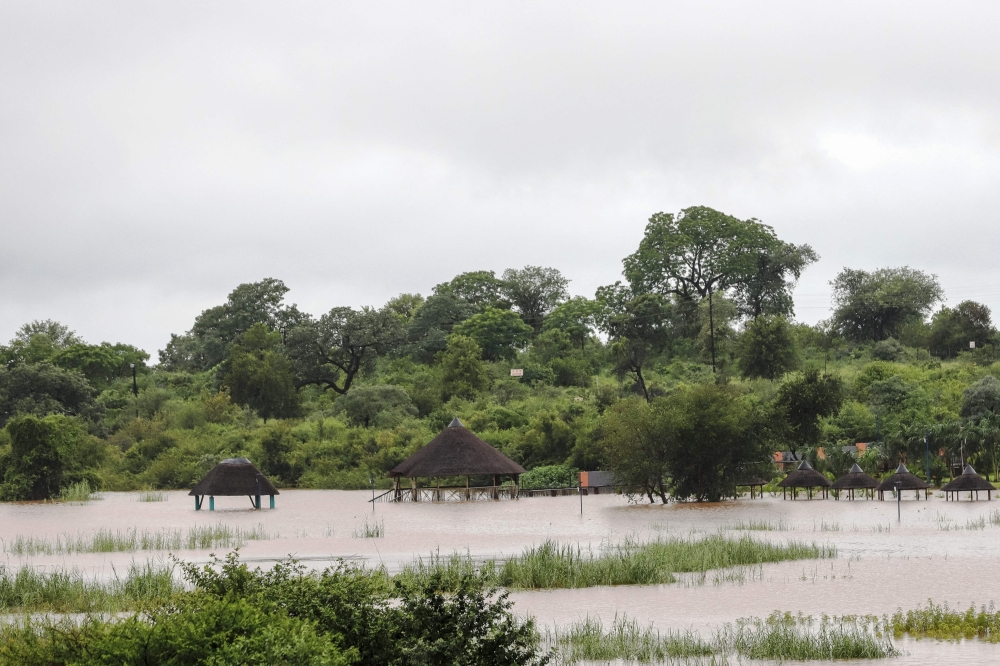
Thailand and Malaysia are facing a worsening humanitarian crisis after devastating floods, triggered by torrential monsoon rains, killed at least 34 people and displaced tens of thousands. Vast areas of southern Malaysia have been inundated, turning streets into rivers and forcing residents to flee their homes in search of safety.
Situation in Thailand: State of emergency and intensive rescue efforts
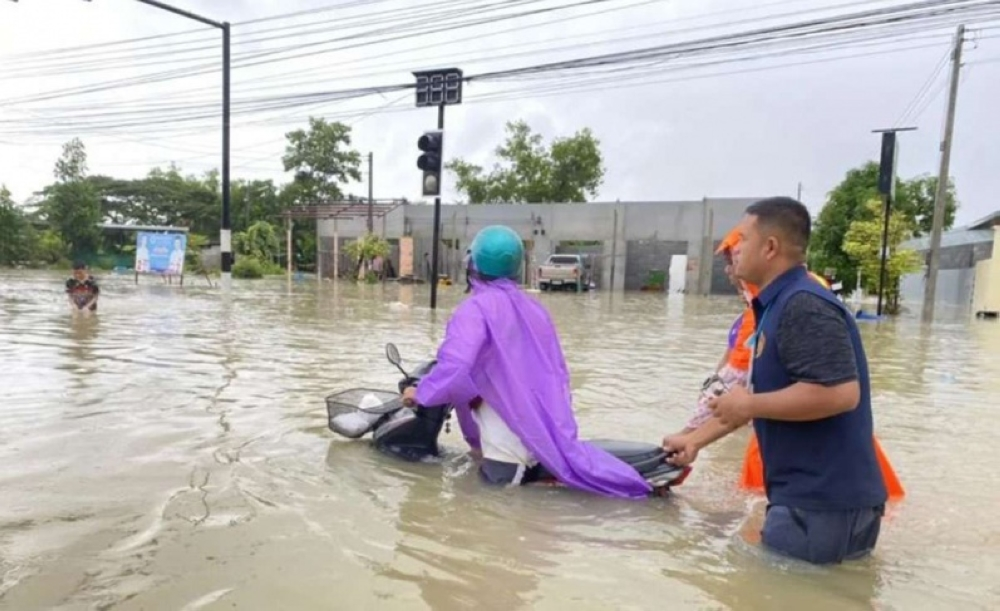
In Thailand, the government declared a state of emergency in the southern province of Songkhla, which was among the hardest hit. Footage from Hat Yai, the province's commercial and tourist hub, showed brown floodwater inundating the ground floors of residential buildings and shops. A Thai government spokesperson confirmed that 33 people had died in seven southern provinces, either by drowning or electrocution, highlighting the severity of the situation. More than 10,000 people were evacuated from their homes in Songkhla alone, with universities and public buildings being converted into temporary shelters for the displaced. To meet urgent needs, centers were set up to distribute up to 20,000 meals daily to those affected.
Authorities have mobilized all available resources to respond to the disaster, with the military deploying an aircraft carrier and helicopters to assist in evacuations and the transport of the sick. Rescue teams are working tirelessly, using boats, jet skis, and military trucks to reach people trapped in the affected areas.
Climatic and historical context: between monsoon rains and climate change
These floods are part of a typical climatic pattern in the region, where Southeast Asia experiences a heavy monsoon season between June and September. However, scientists warn that global warming, caused by human activity, is increasing the intensity, frequency, and duration of these natural phenomena. Rainfall is no longer just seasonal; it is becoming more extreme and powerful storms. This disaster is reminiscent of the catastrophic 2011 floods in Thailand, the worst in decades and which impacted the global economy, highlighting the region's vulnerability to climate change.
The repercussions of the disaster in Malaysia and its regional impact
The crisis was not confined to Thailand. In neighboring Malaysia, flooding spread to eight states, forcing more than 27,000 people to relocate to temporary shelters. At least one death was reported in Kelantan, one of the worst-affected states. Meteorologists predict continued heavy rainfall, which threatens to worsen the situation. The economic impact of these floods extends beyond direct losses to property and infrastructure, affecting vital sectors such as agriculture and tourism, and potentially disrupting regional supply chains. This underscores the urgent need for regional cooperation in disaster response and climate change adaptation.