Humanitarian crisis in southern Thailand as death toll rises
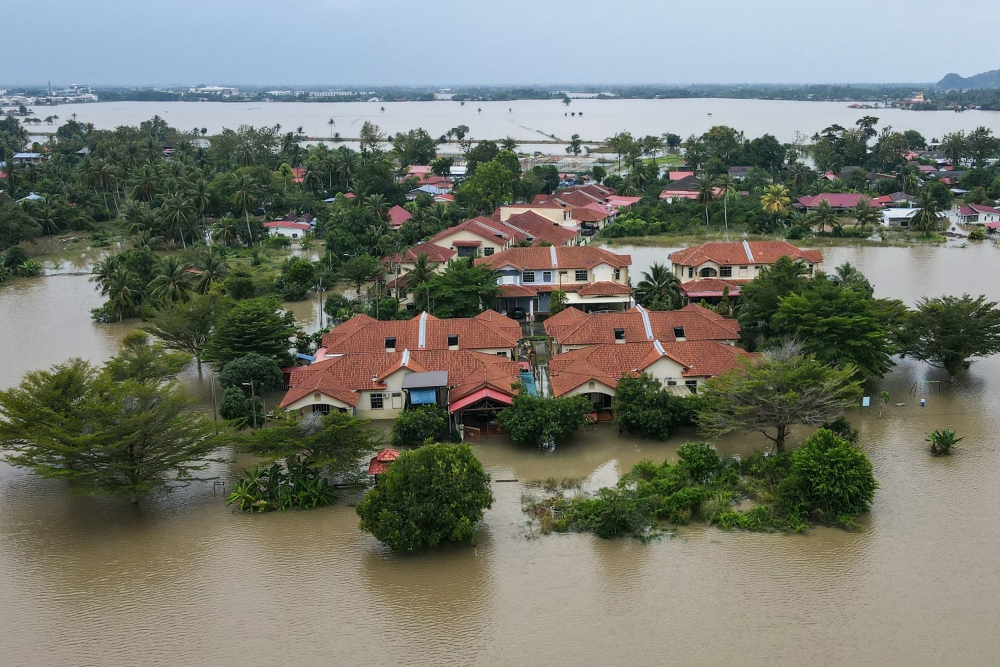
Thailand is facing a worsening natural disaster, with authorities announcing that the death toll from devastating floods that have swept through the country's southern regions has risen to 55. Unprecedented monsoon rains have submerged entire neighborhoods, creating a widespread humanitarian crisis. The main morgue in Songkhla has reached its maximum capacity, a stark indicator of the scale of the tragedy. "The morgue is overflowing, and we urgently need more resources," a hospital morgue official stated, appealing to authorities to provide refrigerated trucks to help cope with the growing number of victims.
The climatic and geographical context of floods
Thailand, due to its geography and tropical climate, is frequently prone to flooding during the monsoon season, which typically lasts from June to October. These rains cause major rivers to overflow and inundate low-lying areas, particularly in the central and southern plains. However, scientists and meteorologists warn that global climate change is exacerbating these natural phenomena and increasing their frequency. Global warming is leading to greater evaporation from the oceans, increasing atmospheric humidity and resulting in heavier and more extreme rainfall, as the country is currently experiencing.
Economic and social impacts of the disaster
The effects of these floods extend far beyond the tragic loss of life. In Hat Yai, a major commercial hub near the Malaysian border, entire neighborhoods were submerged, forcing thousands of desperate residents to seek refuge on rooftops while awaiting rescue. The disaster has crippled infrastructure, including roads, bridges, and electricity and communication networks. Economically, the region is expected to suffer significant losses in the agriculture and tourism sectors, two of the mainstays of southern Thailand's economy. The government has also suspended the Hat Yai provincial chief for failing to take adequate preventative measures, reflecting the extent of public and official pressure to address the crisis's repercussions.
Government response and future challenges
Rescue teams are working around the clock to reach those stranded and provide urgent assistance, including food, clean drinking water, and temporary shelter. However, the scale of the devastation is hampering relief efforts in many areas. This disaster evokes memories of the devastating 2011 floods, the worst in Thailand's modern history, which impacted the capital, Bangkok, and caused significant disruptions to global supply chains. The current crisis underscores Thailand's urgent need to strengthen its early warning systems, develop more resilient infrastructure, and adopt long-term policies to adapt to the undeniable reality of climate change.