In a decisive step to end weeks of escalating military tensions, Thailand and Cambodia announced a joint agreement for an immediate and comprehensive ceasefire. This agreement follows a series of violent border clashes that resulted in significant casualties and property damage, raising international concern and prompting intensive diplomatic efforts to contain the crisis.
Agreement details and timeline
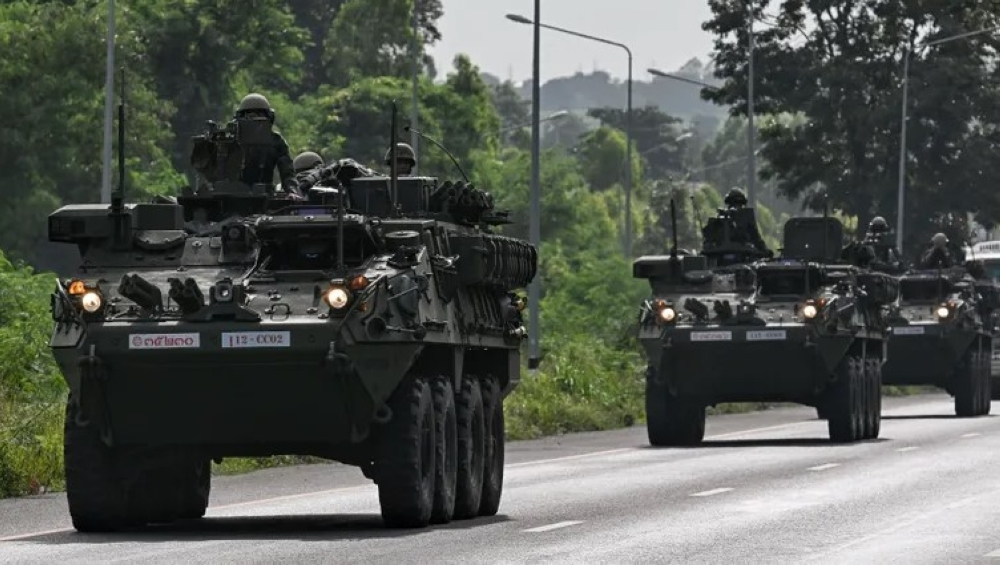
According to the joint statement signed by the two countries' defense ministers at a border point on the Thai side, the ceasefire will officially come into effect at 12:00 noon (05:00 GMT) on December 27, 2025. The agreement explicitly stipulates an immediate cessation of all military operations, including the use of heavy artillery, tanks, fighter jets, and drones, which played a prominent role in the recent escalation.
The agreement included detailed confidence-building measures, most notably a freeze on all military troop movements and joint cooperation in demining and combating cybercrime. Thailand also pledged to return 18 Cambodian soldiers captured during the fighting within 72 hours of the agreement taking effect.
Human cost and destruction
Official statistics revealed the scale of the humanitarian catastrophe caused by the three-week conflict, which left at least 47 people dead. However, the greatest tragedy was the displacement of over a million people from border areas, forced to flee their homes to escape indiscriminate bombing that targeted infrastructure and civilian sites in almost all border provinces.
The new agreement stipulates that these displaced people will be allowed to return safely to their homes as soon as possible, with guarantees that civilians or their property will not be targeted in the future.
Background of the conflict and regional context
This tension is not a recent development. The border between Thailand and Cambodia has historically been a hotspot, with previous conflicts in the region, most notably the dispute over the Preah Vihar temple, which escalated between 2008 and 2011. The roots of these disputes often lie in the differing maps adopted since the French colonial era.
This agreement holds significant strategic importance for Southeast Asia (ASEAN), where observers fear that continued conflict could destabilize the region and harm its economic growth. The report also noted the collapse of a previous truce, which US President Donald Trump had claimed credit for, further complicating the situation before the current agreement was reached.
International reactions
The agreement was widely welcomed internationally, with Thai Defense Minister Nataphon Narakvanit describing the truce as “a gateway to a peaceful solution,” noting that the first three days would be a crucial test of the seriousness of both sides.
For his part, UN Secretary-General António Guterres welcomed the move, deeming it essential to alleviating the suffering of civilians and creating an environment conducive to lasting peace. The European Union and the High Commissioner for Human Rights, Volker Türk, also called for the agreement to be implemented in good faith, stressing the need to provide necessary assistance to those affected to ensure their safe return.