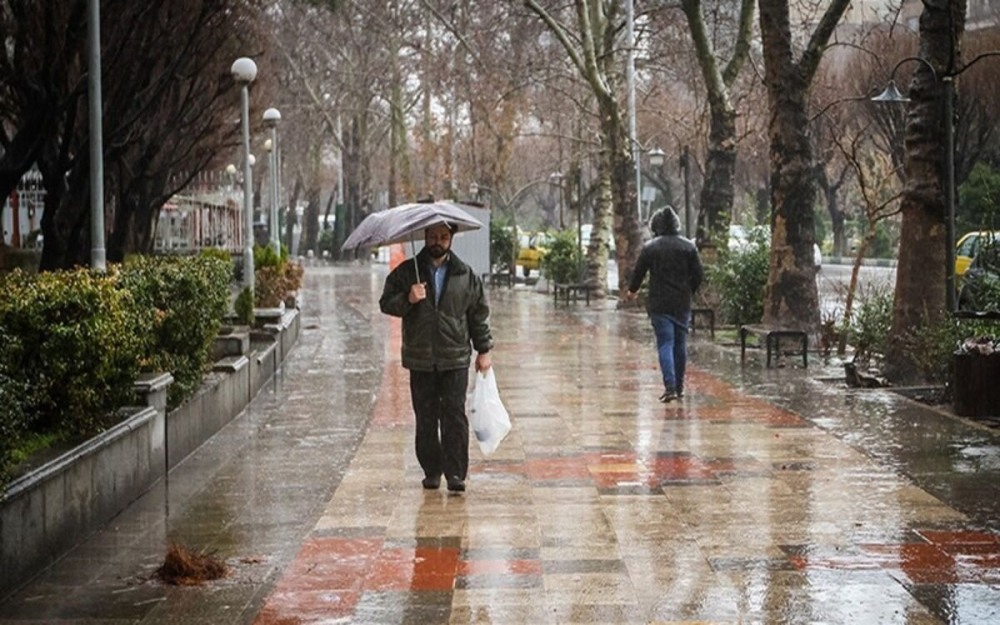
Residents of the Iranian capital, Tehran, breathed a sigh of relief in recent days with the arrival of the first autumn rains, delayed beyond their usual time, bringing a breath of fresh air to a city ravaged by drought and pollution. Iranians greeted the rains with a mixture of joy and apprehension, amid serious questions about whether these clouds could end the worst water crisis in decades.
A difficult water situation despite the rainfall
Despite the jubilation that swept through the streets, officials were quick to temper expectations. A water sector official told the local ISNA news agency that "the expected rainfall, while important, does not yet compensate for the severe shortage of water reserves in the dams," emphasizing that the strategic reservoirs supplying the capital remain at alarmingly low levels. Iran, with its arid and semi-arid climate, is facing its worst drought in nearly 60 years this year, with Tehran recording its lowest rainfall levels in almost a century, according to official statements in October.
Delayed rainy season and climate change
The autumn rainy season typically begins in September, but the delayed rainfall until early December has raised concerns among environmental experts. Observers suggest this delay is not a coincidence, but rather part of broader climate changes affecting the Middle East, where new weather patterns are characterized by extreme and erratic behavior. The recent rains on Wednesday caused severe traffic congestion in the capital's streets, but this did not dampen the residents' spirits.
“Thank God for the rain of the past few days,” says Amir Abkari, 58, a bus driver in the Tajrish district of northern Tehran. “The air is cleaner, and even if traffic increases, we can bear it.” This statement reflects the double suffering of Tehran residents from water scarcity and air pollution, which typically reaches dangerous levels during the winter.
Austerity measures and presidential warnings
In managing the crisis, the authorities resorted to strict measures. In November, the government announced periodic nighttime water cuts to ration consumption. Citizens explained that they had begun voluntarily reducing their water usage in compliance with official appeals. However, the most serious warning came from Iranian President Masoud Pezeshkian, who repeatedly alluded to a catastrophic scenario in which the country might be forced to evacuate Tehran, a city of over 10 million people, if the drought and water shortages continued, without specifying the logistical mechanisms for such a massive evacuation.
Environmental and economic dimensions
Iran's water crisis is not limited to thirst; it extends to geological and economic risks. The depletion of groundwater to compensate for the lack of water from dams has led to land subsidence in Tehran and its surrounding areas, threatening the city's infrastructure. Drought is also crippling the agricultural sector in neighboring provinces, impacting food security and the local economy.
A glimmer of hope on the horizon
With a light layer of snow appearing on the peaks of the Alborz Mountains north of the capital, hopes have been revived for a replenishment of water reserves, as snow acts as a natural reservoir, slowly melting to feed rivers and dams. “We are happy about the rain,” said Armajan Kamyabi, 35. “I hope the rain continues and that we will soon see snow in Tehran.”.
The Meteorological Authority expects continued rainfall and snow in the west and northwest of the country, coinciding with the authorities' announcement of "cloud seeding" operations (artificial rainmaking) in an attempt to boost rainfall and salvage what can be salvaged before the arrival of next summer.