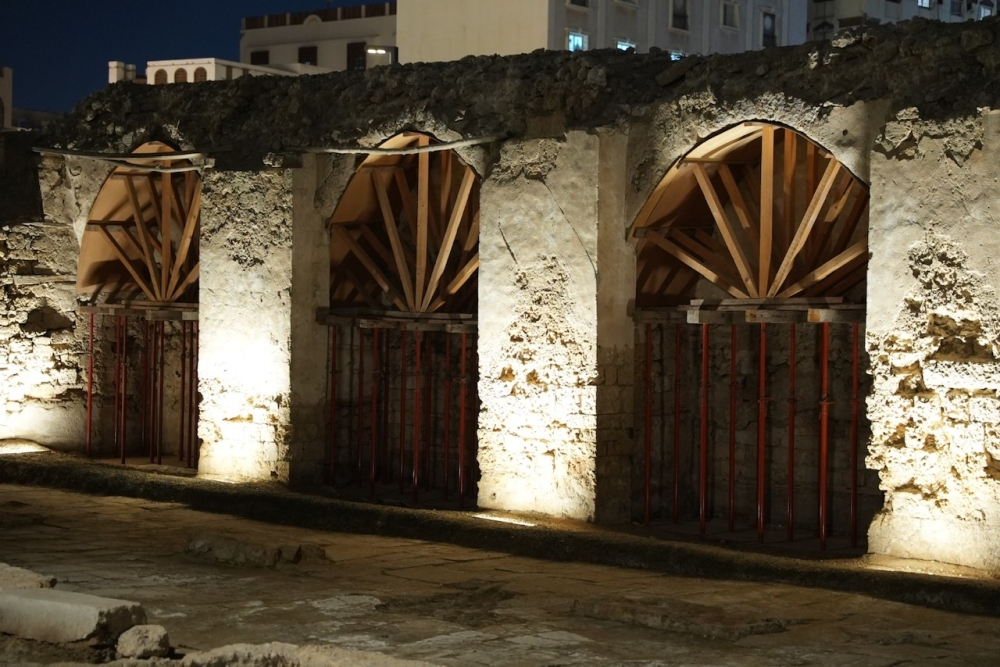
The historic alleyways of Jeddah, known as "Al-Balad," are home to one of the Kingdom's most important cultural and artistic landmarks: the Tariq Abdulhakim Museum . This cultural edifice stands as a vibrant space documenting a rich artistic history and preserving the legacy of one of the Kingdom's most prominent musical pioneers, who played a pivotal role in shaping the musical identity of Saudi Arabia. The museum offers visitors an inspiring journey through time.
The roots of Saudi art and the establishment of musical identity
To understand the true value of this exhibition, one must return to the historical context of the beginnings of art in the Kingdom. In the mid-20th century, Saudi music relied heavily on oral folk traditions and individual efforts. This highlighted the need to document and institutionalize this heritage. Jeddah, by virtue of its position as the gateway to the Two Holy Mosques and a vital commercial and cultural center, played a pivotal role in cultural exchange with neighboring countries. This fostered a fertile environment for the emergence of pioneers who undertook the task of developing Saudi song and presenting it in an academic and professional manner, a vision embodied in this place today in every detail.
The biography of the dean of art in the halls of the Tariq Abdul-Hakim Museum
While strolling through the heritage building known as "Beit Al-Manoufi" in the Yemeni Quarter, one encounters a rich cultural experience that showcases the life of the dean of Saudi art. His career was distinguished by a unique combination of military discipline and musical creativity; his military service spanned nearly three decades, during which he founded the Saudi Army Music School and contributed to establishing the presence of national music in the cultural landscape by composing anthems and pieces that remain etched in the national memory.
Collectibles and musical instruments that tell rare stories
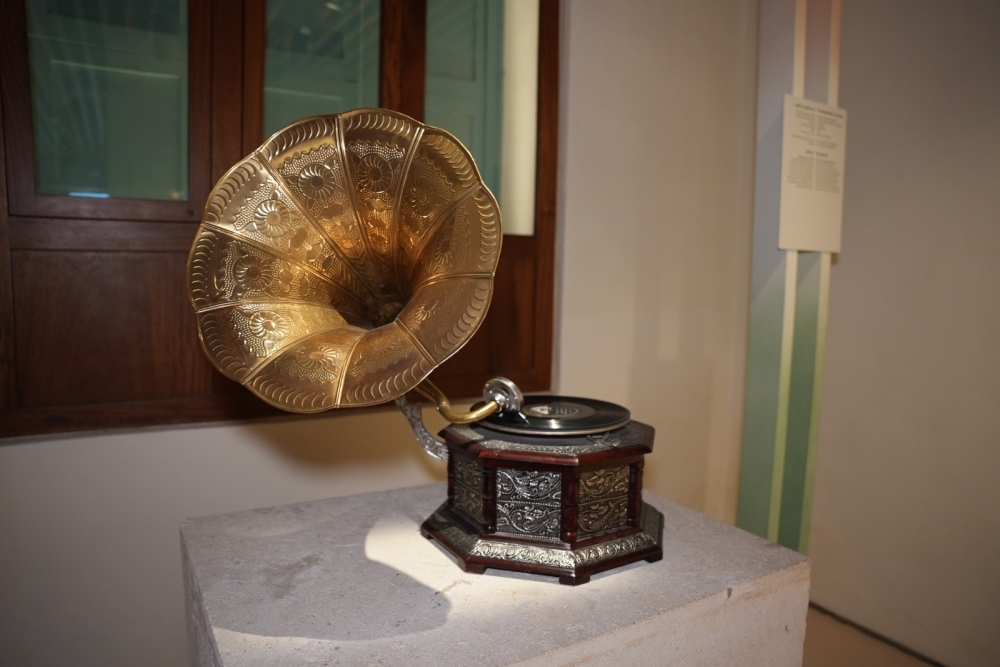
The exhibition features a wide array of personal belongings and rare musical instruments that tell the story of different stages in his artistic career. Among the most prominent exhibits are the violin of composer Sami al-Shawa and the oud of artist Mohammed al-Qasabji, along with historical documents and photographs that highlight significant milestones in his life and his close relationships with leading artists in the Arab world. It also recounts the story of his first record production, financed by a Bahraini businessman and printed in factories in Greece, which achieved widespread success and solidified his artistic presence.
Launching from Cairo towards global recognition
The exhibits highlight his educational journey, which began when he was sent to Cairo in 1952 as the first Saudi to study military music. This scholarship opened the door to a new era of artistic collaboration with leading Arab musicians. His ambitions did not stop at regional boundaries; he continued his efforts by establishing military orchestras and the National Heritage Ensemble, which performed in numerous countries, bringing the essence of Saudi arts to the world's stages.
Cultural impact: Local influence and regional and international reach
The great importance of this edifice lies in its transcendence of the traditional exhibition concept, transforming into a comprehensive knowledge and research center. Locally, the museum fosters awareness of cultural identity among younger generations and provides researchers with a vast archive containing field recordings and rare artistic documents. Regionally and internationally, it serves as a bridge for cultural exchange, highlighting the Kingdom's role as a patron of the arts and a guardian of intangible heritage. The existence of such specialized centers places Saudi Arabia on the global cultural tourism map and underscores the Ministry of Culture's commitment to achieving the goals of Vision 2030, which aims to enrich the cultural landscape.
Ramadan atmosphere brimming with heritage
The site experiences increasing popularity, particularly during seasonal events such as Ramadan celebrations in Historic Jeddah. This cultural and heritage atmosphere attracts visitors from within the Kingdom and abroad, giving the area a vibrant character that blends historical charm, artistic allure, and diverse community activities, ensuring this cultural legacy continues to inspire generations and enrich the Saudi cultural landscape.