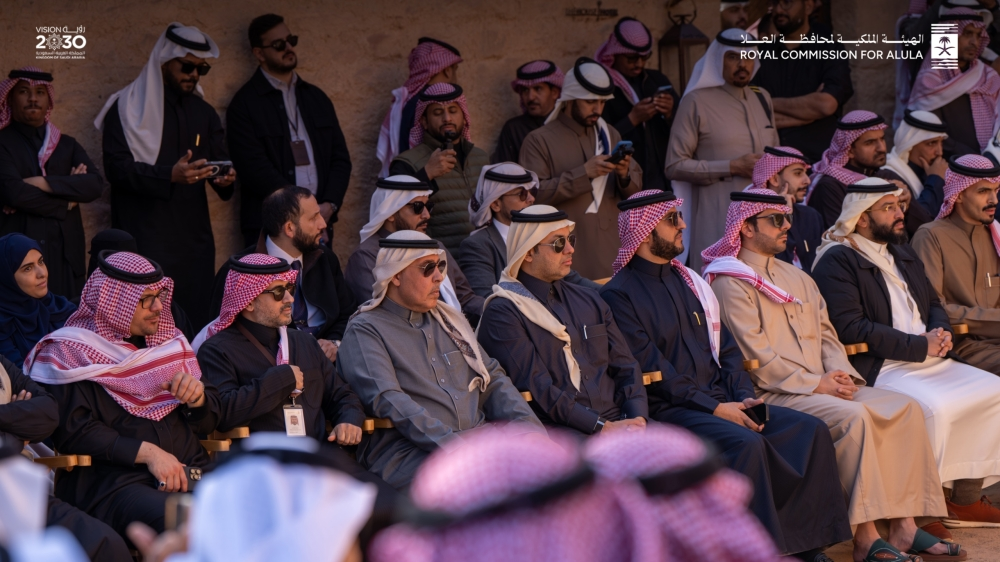
In a scene reminiscent of history, the people of Al-Ula Governorate celebrated the annual "Tantoura" festival in the heart of the old town. This tradition serves as a cultural bridge connecting the present with the rich past of their ancestors. More than just a fleeting celebration, this event embodies an authentic cultural heritage closely linked to organizing agricultural life and determining astronomical timings, specifically announcing the beginning of the "winter's forty days," a period of intense cold.
Tantoura: A sundial and precise astronomical geometry
The Tantoura derives its historical significance from being a pyramid-shaped sundial, relied upon by the inhabitants of Al-Ula for centuries as a primitive yet remarkably accurate astronomical observatory. Located in a designated square in the old town, the Tantoura was used by farmers to determine the seasons and distribute groundwater (the traditional irrigation system) among their farms with pinpoint accuracy, based on the length and direction of the shadow. When the Tantoura's shadow reached a specific mark on the ground, the winter solstice and the start of the new agricultural season were officially announced, reflecting the engineering and astronomical ingenuity of the people of this region in harnessing nature to serve their daily lives.
Heritage atmosphere and community interaction
The event witnessed a remarkable turnout from locals, visitors, and foreign tourists, amidst an atmosphere that evoked the memory of the ancient site. The celebration included a range of cultural activities, such as folk art performances, live demonstrations of traditional crafts, and presentations by elders explaining the workings of the Tantoura and its inherited stories. These activities aimed to highlight the historical significance of this landmark and its pivotal role in documenting the relationship between people and their harsh agricultural environment, which their ancestors transformed into a lush oasis.
The cultural and touristic importance of the event
The celebration of Tantoura extends beyond its astronomical or agricultural aspects, forming a fundamental pillar of Saudi Arabia's cultural identity. This event aligns with the Royal Commission for AlUla's efforts to preserve tangible and intangible heritage and enhance AlUla's position as a global open tourist destination. The renowned Winter at Tantoura Festival is a modern extension of this tradition, attracting international attention to the region, positively impacting the local economy, and creating promising investment opportunities for the region's residents, while preserving the authenticity of the heritage and presenting it to the world in a manner befitting the Kingdom's historical stature.