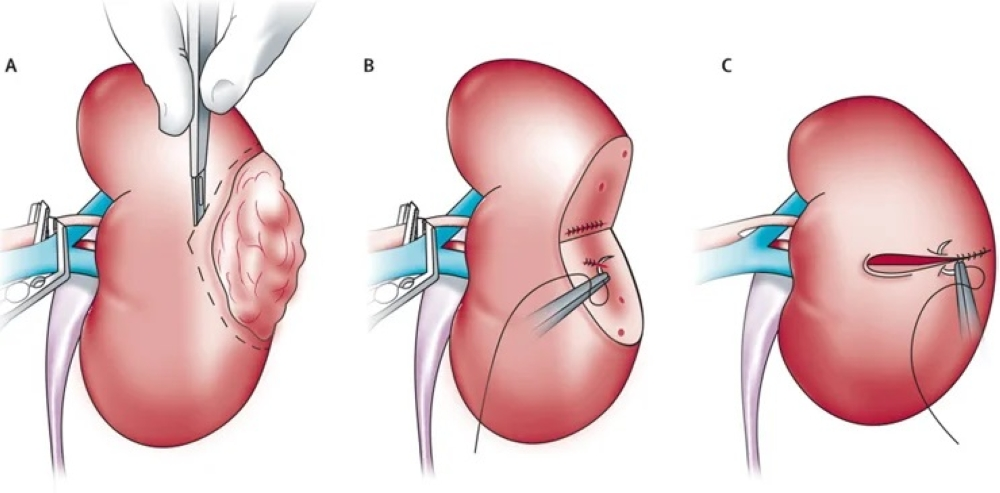
أثار إعلان الفنان المصري تامر حسني عن خضوعه لعملية جراحية عاجلة لاستئصال جزء من كليته، اهتماماً واسعاً وتساؤلات عديدة حول طبيعة هذا الإجراء الطبي المعروف باسم “استئصال الكلية الجزئي”. وفيما يلي، نقدم دليلاً شاملاً يوضح كل ما يتعلق بهذه الجراحة، بدءاً من تعريفها وأسبابها، وصولاً إلى أحدث التقنيات المستخدمة فيها وأهميتها في الحفاظ على صحة المريض.
ما هو استئصال الكلية الجزئي؟
استئصال الكلية الجزئي، أو ما يُعرف بـ “Nephron-Sparing Surgery”، هو إجراء جراحي دقيق يهدف إلى إزالة الجزء المصاب أو التالف من الكلية، مثل ورم سرطاني أو حميد، مع الحفاظ على أكبر قدر ممكن من الأنسجة الكلوية السليمة. الهدف الأساسي من هذه العملية هو علاج المشكلة الصحية مع المحافظة على وظائف الكلى، وتجنب المضاعفات طويلة الأمد التي قد تنتج عن إزالة الكلية بالكامل.
السياق التاريخي وتطور الجراحة
تاريخياً، كان الإجراء المعتاد لعلاج أورام الكلى هو الاستئصال الجذري للكلية بأكملها (Radical Nephrectomy)، بغض النظر عن حجم الورم. لكن مع تطور الفهم الطبي لأهمية الحفاظ على وظائف الكلى، بدأ التحول نحو الجراحات المحافظة في أواخر القرن العشرين. شهد هذا المجال طفرة نوعية مع إدخال الجراحة بالمنظار، ثم الجراحة الروبوتية، التي أتاحت للجراحين إجراء عمليات استئصال جزئي بدقة متناهية وشقوق جراحية أصغر، مما أدى إلى تقليل الألم وفترة التعافي للمرضى بشكل كبير.
متى يصبح استئصال الكلية الجزئي ضرورياً؟
يلجأ الأطباء إلى هذا الخيار الجراحي في عدة حالات، أبرزها:
- سرطان الكلى: خاصة في المراحل المبكرة عندما يكون الورم صغيراً ومقتصراً على جزء محدد من الكلية.
- الأورام الكلوية الحميدة: التي قد تسبب أعراضاً أو تنمو بشكل يثير القلق.
- حصوات الكلى المعقدة: في حالات نادرة عندما تتسبب الحصوات في تلف جزء من نسيج الكلية.
- العيوب الخلقية: التي تؤثر على جزء من الكلية وتعيق وظيفتها.
- نقص تدفق الدم: الذي يؤدي إلى تلف جزء من الكلية بسبب مشكلات في الشرايين.
أنواع جراحة استئصال الكلية الجزئي
تُجرى العملية بثلاث طرق رئيسية، ويعتمد اختيار الطريقة على حجم الورم وموقعه وحالة المريض الصحية:
- الجراحة المفتوحة: تتطلب شقاً جراحياً كبيراً في البطن أو الخاصرة للوصول إلى الكلية. أصبحت أقل شيوعاً الآن.
- الجراحة بالمنظار: تتم عبر عدة شقوق صغيرة لإدخال كاميرا وأدوات جراحية دقيقة.
- الجراحة الروبوتية: وهي الشكل الأكثر تطوراً، حيث يتحكم الجراح في أذرع روبوتية دقيقة من خلال وحدة تحكم، مما يوفر رؤية ثلاثية الأبعاد وحركة عالية الدقة، ويُعد الخيار المفضل في العديد من المراكز الطبية المتقدمة لنتائجه الممتازة وفترة تعافيه الأسرع.
فترة التعافي وإجراءات ما بعد الجراحة
تستغرق العملية عادة ما بين 3 إلى 4 ساعات. بعد الجراحة، تختلف مدة الإقامة في المستشفى؛ حيث تتراوح بين يوم إلى يومين في حالة الجراحة الروبوتية، وتصل إلى 4 أيام في الجراحة المفتوحة. تتضمن فترة النقاهة تناول المسكنات، واتباع نظام غذائي سائل في البداية، وتشجيع المريض على المشي لمنع الجلطات وتسريع الشفاء. يمكن للمريض العودة إلى أنشطته الطبيعية خلال 4 إلى 6 أسابيع بعد الجراحة الروبوتية، بينما قد تمتد الفترة إلى 12 أسبوعاً بعد الجراحة المفتوحة.
أهمية العملية وتأثيرها على المدى الطويل
تكمن الأهمية الكبرى لعملية استئصال الكلية الجزئي في الحفاظ على وظائف الكلى المتبقية. هذا الأمر يقلل بشكل كبير من خطر الإصابة بأمراض الكلى المزمنة على المدى الطويل، ويجنب المريض الحاجة إلى غسيل الكلى أو زراعة الكلى في المستقبل. إن تسليط الضوء على مثل هذه الحالات، كما حدث مع الفنان تامر حسني، يرفع من الوعي العام بأهمية الكشف المبكر عن أمراض الكلى والخيارات العلاجية المتقدمة المتاحة التي تساهم في تحسين جودة حياة المرضى بشكل كبير.