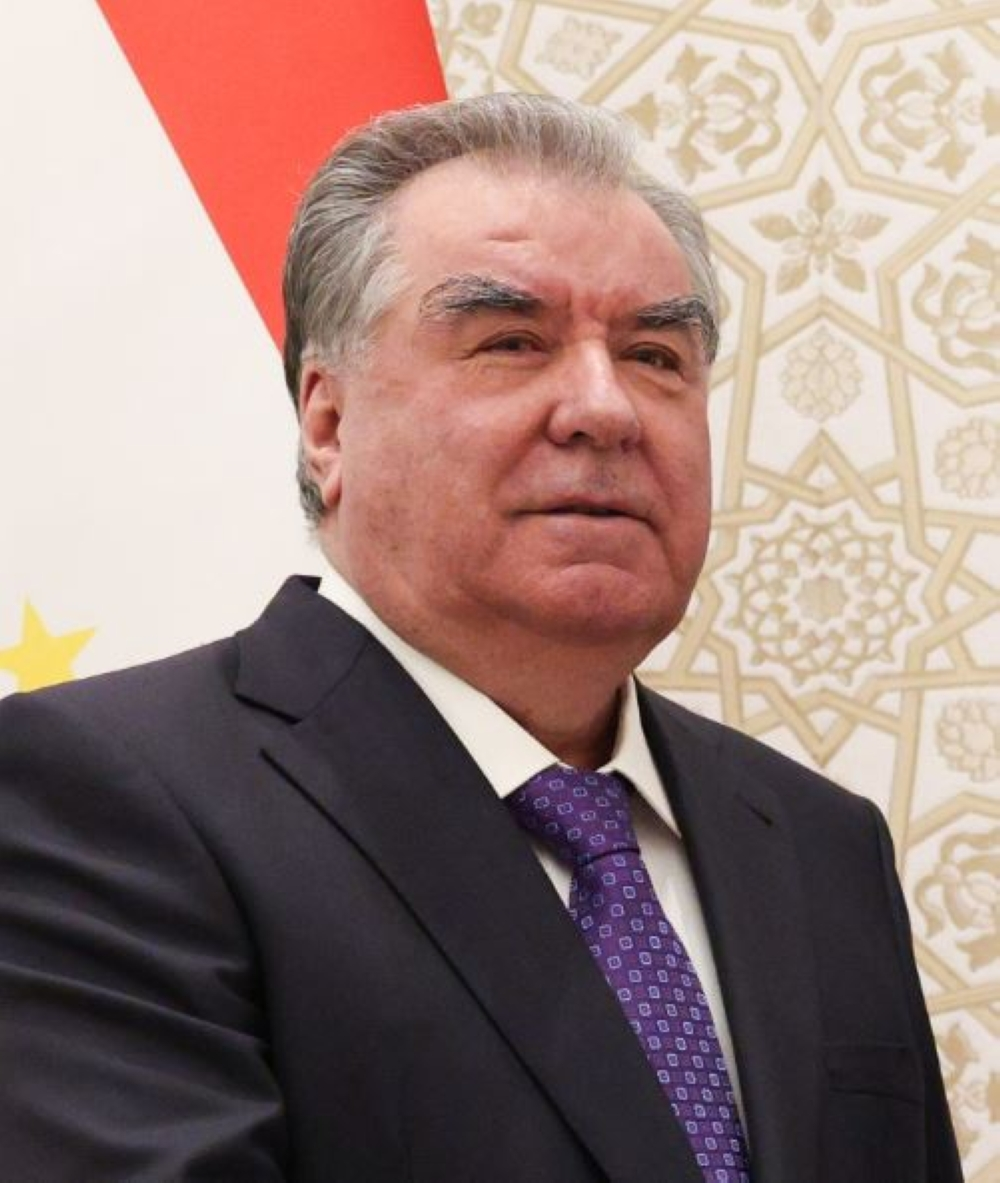
In a move aimed at ending speculation and rumors surrounding his health, Tajik President Emomali Rahmon made his first public appearance in over two weeks. This official appearance on Saturday ended an unusual period of absence for the leader, who has ruled the country with an iron fist for more than three decades and whose activities are usually covered almost daily by state media.
Official appearance details
The official website of the Tajik presidency reported that President Rahmon, 73, received Jin Liqun, president of the Asian Infrastructure Investment Bank (AIIB), in the capital, Dushanbe. According to the statement, the meeting focused on ways to enhance cooperation on vital infrastructure projects, underscoring the continued commitment of the state to high-level development. This meeting comes as the bank prepares to contribute to the construction of a strategic bridge in Tajikistan, a landlocked country that serves as a crucial trade corridor between Asia and Europe.
Historical background and political context
Emomali Rahmon came to power in 1992, in the midst of a devastating civil war (1992–1997) that erupted a year after the country declared its independence from the Soviet Union. He consolidated his rule by ending the conflict and presenting himself as the guarantor of stability and security in a country still traumatized by war. Over the years, Rahmon tightened his grip on power, enacting constitutional amendments that allowed him to remain in office for life and bestowing upon him the title of “Leader of the Nation.” His regime is widely regarded as authoritarian, with repression of political opposition and restrictions on media freedom, making any information about his health or whereabouts highly sensitive.
The local and regional significance of the president's absence
President Rahmon's absence has raised profound questions both domestically and regionally. Domestically, it has brought the issue of political succession back to the forefront. His eldest son, Rustam Emomali, who serves as Senate Speaker and Mayor of Tehran, is seen as his father's likely successor. Any power vacuum could destabilize the fragile stability that Rahmon has worked to build.
Regionally and internationally, Tajikistan holds immense strategic importance. It shares a long and volatile border with Afghanistan, making it a crucial first line of defense against security threats such as terrorism and drug trafficking. The country also hosts a major Russian military base and is a key partner for China in its Belt and Road Initiative. Therefore, any political instability in Dushanbe is a source of concern for Moscow, Beijing, and other regional powers that rely on Tajikistan's stability to maintain regional security.