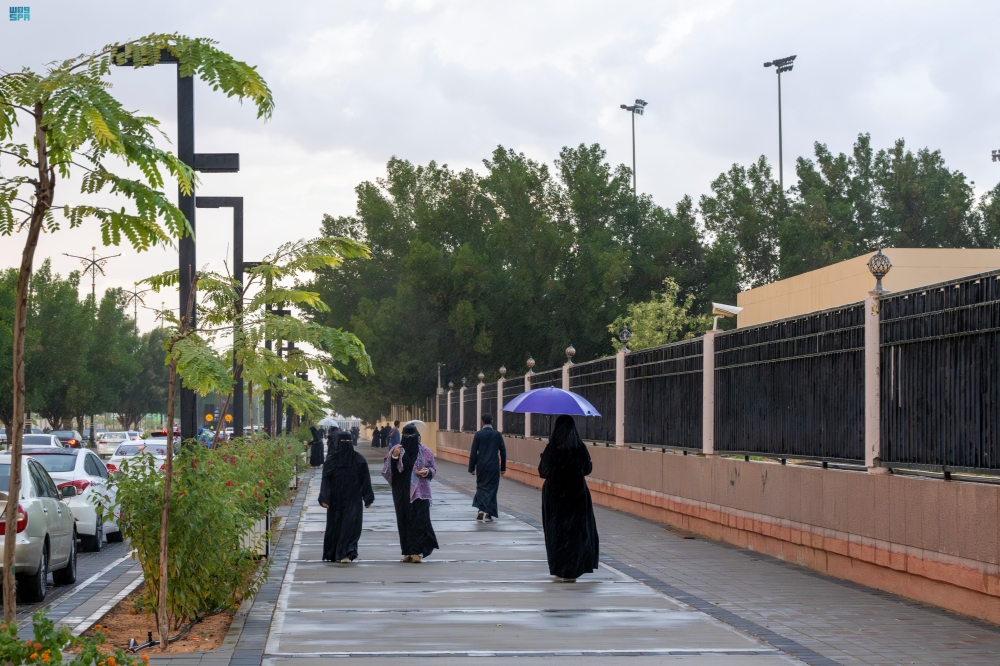
The northwestern parts of Saudi Arabia experienced significant weather fluctuations, with the Tabuk region center stage in recent hours. On Saturday evening, rain, ranging from light to heavy, fell across large parts of the region. The heaviest rainfall was concentrated in Haql Governorate, including the town of Al-Aqan, which was accompanied by hail, as well as the town of Al-Ulu Al-Qusayr. Other towns, such as Shaqri and Al-Bid’ah in the Tabuk and its surrounding areas, light rain , creating a distinctly wintry atmosphere in the region.
The climatic context and weather history of the Tabuk region
The current weather changes are an extension of the climate of the Tabuk region, which is distinct from the rest of Saudi Arabia. Historically, the northern and northwestern parts of the Kingdom have been affected by low-pressure systems originating from the Mediterranean and the Levant during the winter and spring seasons. These systems typically bring a noticeable drop in temperatures and moderate to heavy rainfall, sometimes accompanied by snowfall on mountain peaks such as Jabal Al-Lawz and Al-Aqan. This climatic pattern is an essential part of the natural cycle that contributes to the replenishment of the region's groundwater resources, upon which many communities and agricultural activities have depended for decades.
The importance of rainfall and its expected effects at the local and regional levels
Rainfall at this time of year is of paramount importance and has multifaceted positive effects. Locally, this rainfall plays a vital role in supporting the region's renowned agricultural sector, contributing to the irrigation of vast farms and increasing vegetation cover and natural pastures, which in turn benefits livestock breeders. Furthermore, the rainy and cool weather revitalizes domestic tourism, as visitors flock from across the Kingdom to enjoy the stunning scenery and winter atmosphere, particularly in the desert and mountainous regions.
Regionally, the continuation of these rainfall patterns is bolstering the strategic groundwater reserves in northern Arabia. Authorities in the Kingdom are closely monitoring these conditions, with the National Center for Meteorology issuing ongoing alerts to ensure the safety of citizens and residents.
Early warning system and weather situation management
Amid these fluctuations, authorities activate early warning systems to deal with heavy rains and potential flash floods. The warning system is divided into three levels, the most severe being "red," which requires extreme caution and urging people to stay away from valleys and floodplains. Al-Youm newspaper published an explanation of the early warning levels on its official X platform to raise public awareness.
Three levels, the most severe being "red"... Early warning stages for heavy rain #Today
For details | https://t.co/577gy75b31 pic.twitter.com/TvdGJwVlKf— Al-Youm Newspaper (@alyaum) March 14, 2026
Public awareness of official directives and following weather updates is a fundamental pillar for overcoming these weather conditions safely, and making the most of the benefits of rain that nourishes the land and revitalizes the environment.