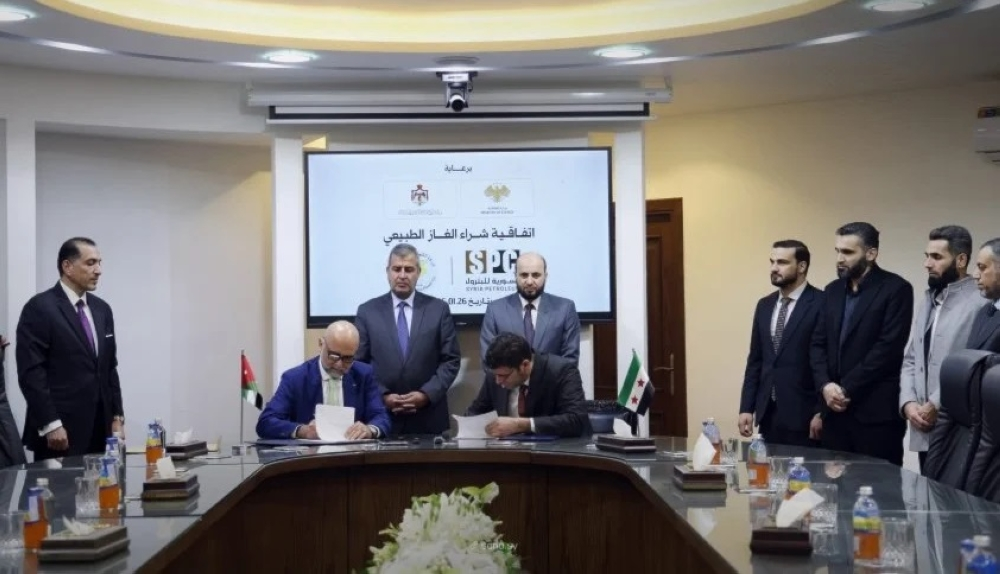
في خطوة هامة تهدف إلى التخفيف من أزمة الطاقة الحادة التي تعصف بسوريا، وقعت الحكومتان السورية والأردنية يوم الاثنين اتفاقية رسمية لبيع وشراء الغاز الطبيعي. وبموجب هذه الاتفاقية، سيتم تزويد سوريا بالغاز المصري عبر الأراضي الأردنية، مما يمثل بارقة أمل لإنعاش قطاع الكهرباء المتهالك ودعم محطات التوليد التي تعاني من نقص حاد في الوقود.
خلفية تاريخية وسياق الأزمة
يأتي هذا الاتفاق في ظل معاناة سوريا من أزمة كهرباء خانقة استمرت لسنوات، تفاقمت بشكل كبير جراء الحرب التي بدأت في عام 2011. أدت الحرب إلى تدمير جزء كبير من البنية التحتية لقطاع الطاقة، بما في ذلك محطات التوليد وخطوط النقل وشبكات التوزيع، بالإضافة إلى خروج العديد من حقول النفط والغاز عن سيطرة الحكومة. وقد نتج عن ذلك انقطاع شبه دائم للتيار الكهربائي في معظم المناطق، مما أثر سلباً على كافة جوانب الحياة اليومية للمواطنين، من الخدمات الصحية والتعليمية إلى الأنشطة الصناعية والتجارية.
إحياء مشروع خط الغاز العربي
تعتمد هذه الاتفاقية على إعادة إحياء “خط الغاز العربي”، وهو مشروع استراتيجي إقليمي تم تدشينه في أوائل الألفية لربط مصر والأردن وسوريا ولبنان بشبكة غاز موحدة. توقف المشروع عن العمل بشكل كامل تجاه سوريا ولبنان بعد عام 2011 بسبب الأوضاع الأمنية. وتعتبر هذه الاتفاقية خطوة أولى لإعادة تفعيل هذا الشريان الحيوي للطاقة في المنطقة، مما لا يعود بالنفع على سوريا فحسب، بل يمهد الطريق أيضاً لمشروع أوسع يهدف إلى تزويد لبنان بالكهرباء من الأردن والغاز من مصر عبر الأراضي السورية.
أهمية الاتفاقية وتأثيرها المتوقع
من المتوقع أن يكون للاتفاقية تأثيرات إيجابية ملموسة على الصعيدين المحلي والإقليمي. محلياً، من شأن ضخ حوالي 4 ملايين متر مكعب من الغاز الطبيعي يومياً أن يساهم بشكل مباشر في زيادة قدرة محطات توليد الكهرباء السورية على العمل، مما يؤدي إلى تحسين استقرار الشبكة الكهربائية وتقليل ساعات التقنين الطويلة. أما على الصعيد الإقليمي، فيمثل الاتفاق مؤشراً على بداية عودة سوريا إلى محيطها العربي وتطبيع العلاقات مع دول الجوار مثل الأردن ومصر. كما أنه يعكس تحولاً في الديناميكيات الجيوسياسية في المنطقة، خاصة وأن هذا المشروع يحظى بدعم أمريكي ضمني، حيث قدمت واشنطن تطمينات للدول المشاركة بعدم خضوعها للعقوبات المفروضة على دمشق بموجب “قانون قيصر”.
ووقع الاتفاقية عن الجانب الأردني المدير العام لشركة الكهرباء الوطنية، الدكتور سفيان البطاينة، وعن الجانب السوري نائب الرئيس التنفيذي للشركة السورية للنفط، المهندس هشام الصالح، مما يضفي طابعاً رسمياً على هذا التعاون الذي يُنظر إليه كخطوة أساسية نحو استقرار قطاع الطاقة في سوريا والمنطقة.