Horrific attack at Westfield Bundy Junction shopping center
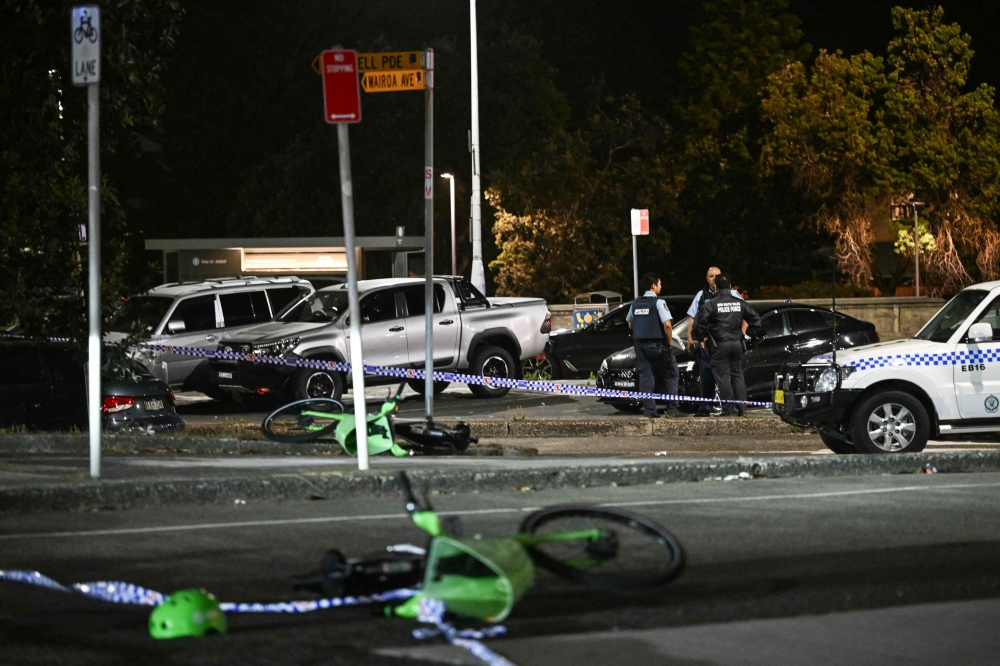
On April 13, 2024, a tragic incident occurred in Sydney, Australia, when a man armed with a knife launched a random attack on shoppers at the busy Westfield Bondi Junction shopping center. The attack resulted in the deaths of six people—five women and one man—and left more than ten others with varying degrees of injury, including a baby girl who suffered serious stab wounds. The horrific attack ended when a female police inspector confronted the assailant and shot him dead at the scene, bringing an end to the terror that had gripped the shopping center.
Background of the incident and identity of the attacker
Australian authorities later identified the attacker as 40-year-old Joel Cauchi, who had a history of mental health issues. Police categorically ruled out any terrorist or ideological motives for the attack, stating that initial investigations suggested it was linked to the attacker's history of mental illness. The incident sparked a broader debate in Australia about the need to strengthen mental health services and provide adequate support for people with mental health disorders to prevent similar tragedies in the future.
General context and impact of the attack on Australian society
This attack has shocked Australian society, which enjoys relatively low crime rates, particularly regarding mass shootings. Australia is known for its strict gun control laws, implemented after the Port Arthur massacre in 1996. Therefore, an attack of this magnitude using a bladed weapon has caused deep shock and concern across the country. Both domestically and internationally, there has been a flood of condemnations of the attack. Australian Prime Minister Anthony Albanese expressed his deep sorrow and condolences to the victims' families, while also praising the bravery of the policewoman who confronted the attacker and the citizens who tried to help others during the chaos.
Importance and expected repercussions
This incident is expected to have significant repercussions on several levels. Locally, the attack has prompted a review of security procedures in shopping centers and crowded public spaces. It has also brought renewed attention to the issue of violence against women, as most of the attack's victims were women, raising questions about whether the attacker deliberately targeted them. Nationally, the incident has reopened the debate about the adequacy of resources allocated to mental health services and how to deal with individuals who pose a danger to themselves or society. The Sydney attack will remain a painful memory in recent Australian history and a catalyst for reviewing security and social policies to ensure such tragedies are never repeated.