Manila's immigration department has revealed new and disturbing details about the perpetrators of the deadly Sydney attack, confirming that the father and son accused of the massacre spent nearly a month in the Philippines before carrying out their crime. Philippine authorities explained that the father, Sajid Akram, used an Indian passport to enter the country, adding a complex international dimension to the ongoing investigation into one of the worst mass shootings in modern Australian history.
General context and international investigations
This revelation comes at a critical time as Australian authorities work to dismantle the attackers' potential support network and understand their motives. According to the information released, Sajid Akram, 50, and his son, Naveed Akram, 24, arrived in the Philippines on November 1 from Sydney, with their stated destination being Davao City. "Sajid Akram, an Indian national, and Naveed Akram, an Australian national, arrived together on November 1 and left the country on November 28," Immigration Department spokeswoman Dana Sandoval told AFP. This extended period of time spent abroad raises crucial questions about their activities and whether they met with extremist individuals or groups for training or planning purposes.
The importance of the event and its expected impact
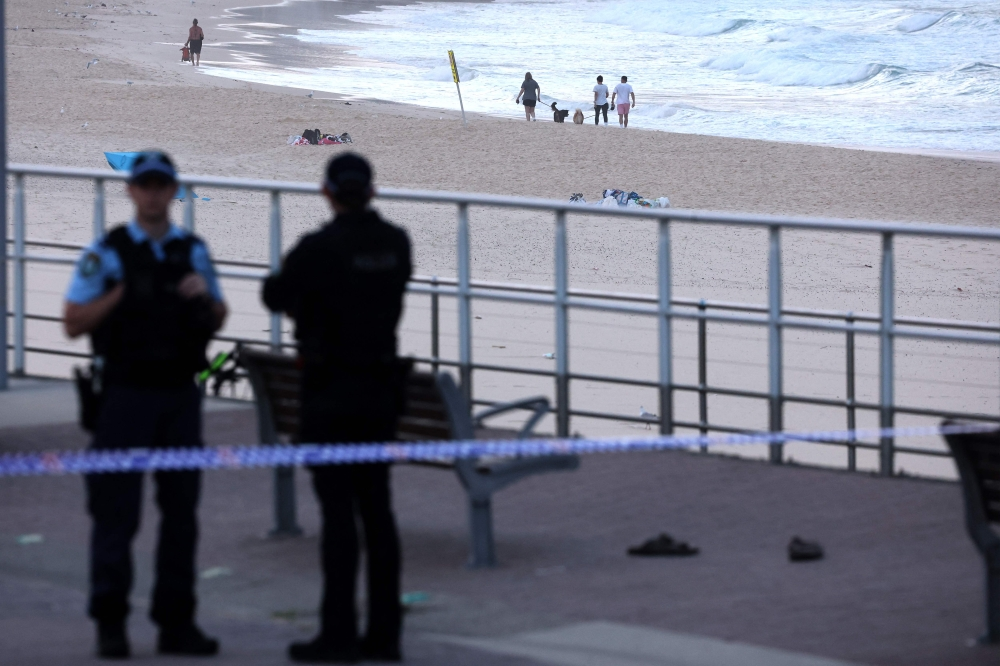
The Bondi Beach attack, which targeted a Hanukkah celebration and left 15 people dead and dozens injured, not only deeply shocked Australian society but also raised global security concerns. The targeting of a religious gathering underscores the horrific nature of hate-based terrorism and highlights the need to strengthen the protection of religious minorities worldwide. Domestically, the attack reignited the debate over Australia’s gun laws, which are among the strictest in the world, and prompted the government to review its security measures to address domestic threats.
Regional and international security cooperation
The details of the perpetrators' journey to the Philippines underscore the transnational nature of modern terrorism. Extremists often exploit loopholes in immigration systems and travel between countries to plan and coordinate attacks, evading the security services of their home nations. This revelation is expected to spur immediate security and intelligence cooperation between Australia, the Philippines, and India. This cooperation will include sharing information on the suspects' travel records, communications, and financial transfers, in an effort to uncover any potential accomplices and determine whether a wider terrorist network is behind the attack. The success of the investigation hinges heavily on the effectiveness of this international collaboration in tracing the threads of the crime across continents.