A decisive Swiss move against the Venezuelan regime
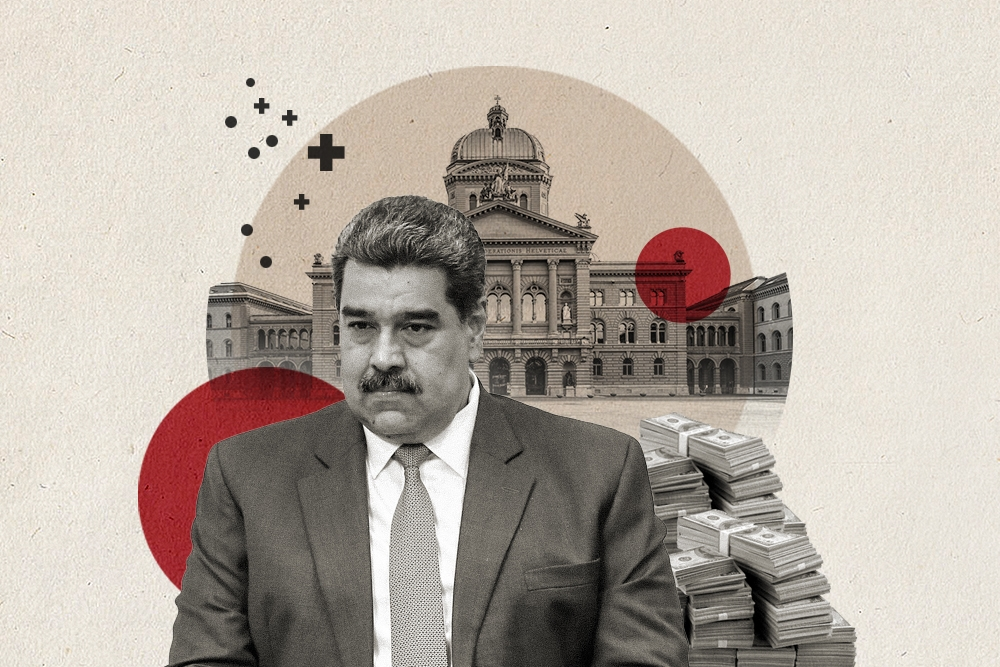
In a significant escalation of international pressure on Venezuela, Swiss authorities announced the freezing of Venezuelan assets in their banks totaling over $880 million (equivalent to 687 million Swiss francs). This announcement, the first of its kind to disclose specific figures, represents a significant step in line with sanctions imposed by the European Union and the United States on key figures in the regime of former President Nicolás Maduro.
According to the Swiss Federal Department of Foreign Affairs, this precautionary measure is primarily aimed at preventing any attempt to launder capital suspected of being acquired illegally and at facilitating future legal cooperation between the two countries. The asset freeze, which took effect on January 5, targets the assets of former President Nicolás Maduro, his wife, members of his inner circle, and former ministers in his government.
The historical context of the Venezuelan crisis
This measure comes amid a deep political, economic, and humanitarian crisis that has gripped Venezuela for years. Following Nicolás Maduro's re-election in 2018 in elections deemed unfair by the opposition and many countries, internal and international tensions have escalated. The economic collapse, exacerbated by mismanagement, corruption, and plummeting oil prices, has led to hyperinflation and severe shortages of food, medicine, and basic goods, prompting millions of Venezuelans to emigrate in search of a better life.
In response to what they considered human rights abuses and the undermining of democracy, the United States and the European Union imposed a series of stringent sanctions targeting government officials and key economic entities, including the state-owned oil company PDVSA. Switzerland joined these efforts in 2018, reaffirming its commitment to international standards for combating money laundering and terrorist financing.
The importance of the decision and its expected impact
Switzerland's decision is particularly significant given its status as a leading global financial center. Freezing such a large sum sends a powerful message that the Swiss banking system, historically known for its secrecy, will not be a safe haven for suspicious funds belonging to officials in regimes subject to international sanctions.
Internationally , this measure reinforces the financial isolation of the Maduro regime and strengthens the united international front against it. It also puts additional pressure on other financial centers to tighten their controls on assets linked to Venezuela. Domestically, in Venezuela , this step will limit the ability of targeted individuals to access their wealth abroad, which is believed to have been plundered from the state treasury. In the long term, these frozen assets could pave the way for their return to the Venezuelan people in the event of a democratic transition in the country, to be used in rebuilding the shattered economy and institutions.