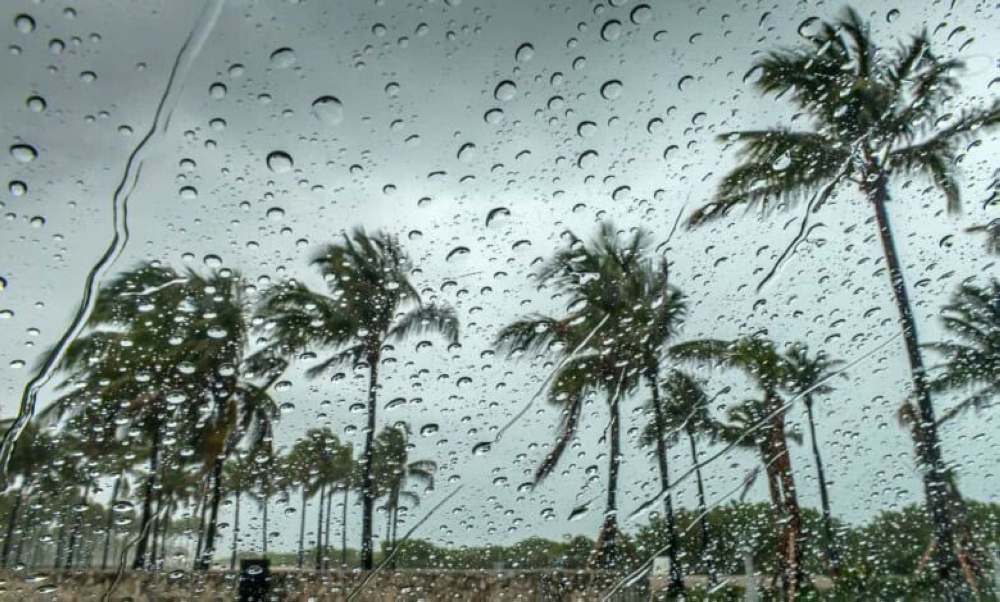
The National Center for Meteorology revealed details of Sunday's weather in Saudi Arabia , issuing its daily report indicating continued weather fluctuations across most of the Kingdom. The center predicted a chance of moderate to heavy thunderstorms, potentially leading to flash floods in several valleys, accompanied by hail and strong winds that will stir up dust and reduce horizontal visibility.
The report indicated that rainfall is expected across large parts of the Jazan, Asir, Al-Baha, Makkah, Riyadh, and Eastern regions. Thunderstorms will also affect parts of the Najran region, while light rain is expected in parts of the Madinah and Qassim regions. Meanwhile, surface winds will stir up dust and sand in parts of these regions, extending to areas of the Northern Borders, Al-Jawf, and the coastal areas of Tabuk, with the possibility of fog forming during the night and early morning hours.
Climate context and meteorological monitoring efforts
These forecasts are part of a close monitoring of the Kingdom's weather patterns during this transitional period. The Kingdom's diverse topography and geography make Sunday's weather in Saudi Arabia a typical example of the seasonal atmospheric instability. The National Center for Meteorology and Environmental Protection utilizes a sophisticated system of radars and satellites to accurately monitor these conditions and issue early warnings. This reflects the significant advancements in the Kingdom's meteorological infrastructure compared to previous decades, enabling citizens and residents to receive immediate alerts to ensure their safety.
The effects of Sunday's weather in Saudi Arabia and safety recommendations
Given the widespread nature of the rainfall and its expected large-scale impact locally, this weather system is of particular importance and warrants caution. Heavy rains and flash floods are expected to affect traffic on highways and secondary roads, especially in the mountainous and sloping areas of Asir, Al-Baha, and Makkah. Relevant authorities, including the Civil Defense, emphasize the need to stay away from valleys and flood channels during rainfall and to avoid attempting to cross them, regardless of how low the water level may seem.
From an environmental and agricultural perspective, these rains are a vital source of groundwater and contribute to irrigating crops. However, their intensity can pose a risk if not managed according to established safety guidelines. Drivers are advised to exercise caution due to reduced visibility caused by expected dust or dense fog.
State of the Red Sea and the Arabian Gulf
Regarding the maritime situation, the report indicated the following details:
- The Red Sea: Northwesterly to northerly surface winds are expected at speeds of 22-43 km/h, gusting up to 50 km/h, with thunderstorms developing over the central and southern parts. Wave heights will range from 1 to 2 meters, potentially reaching 2.5 meters, resulting in moderate to rough sea conditions.
- Arabian Gulf: Surface winds will be southeasterly to southerly at 15-40 km/h, reaching 45 km/h with thunderstorms. Wave height will range from half a meter to one and a half meters, possibly reaching two and a half meters, with sea conditions ranging from slight to moderate, becoming rough during thunderstorms.