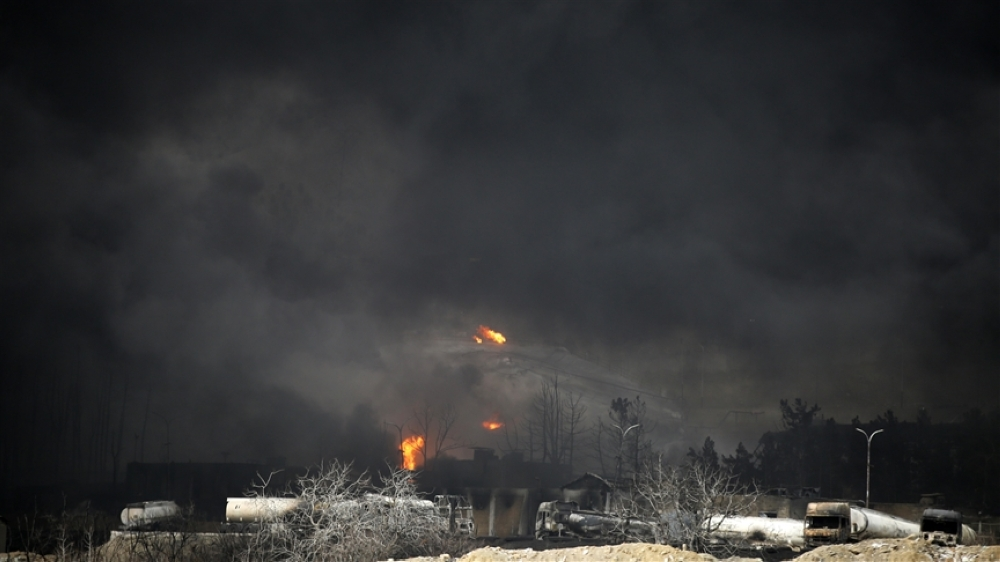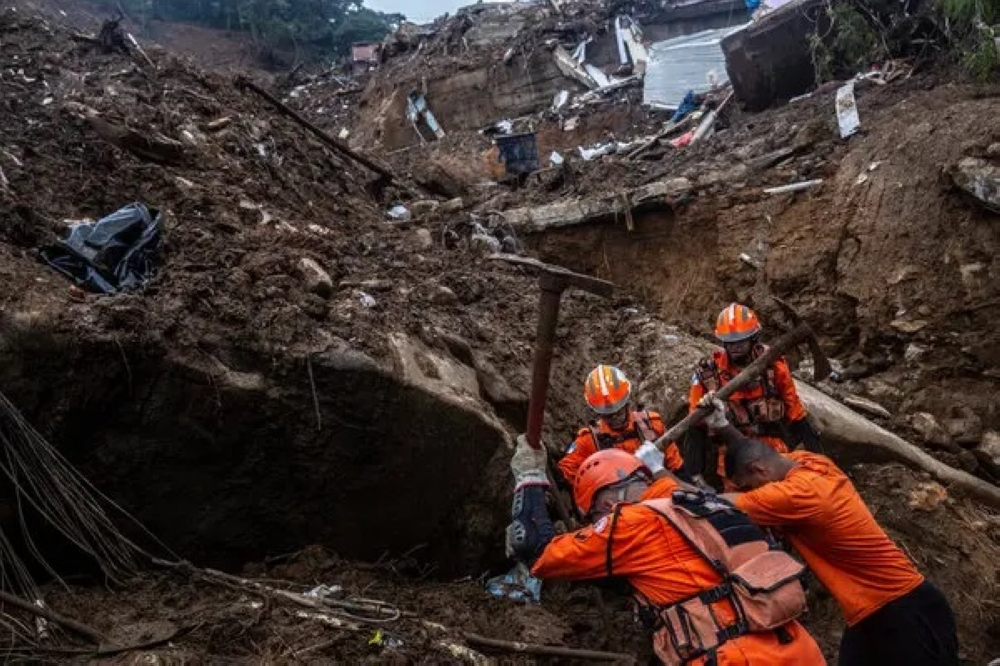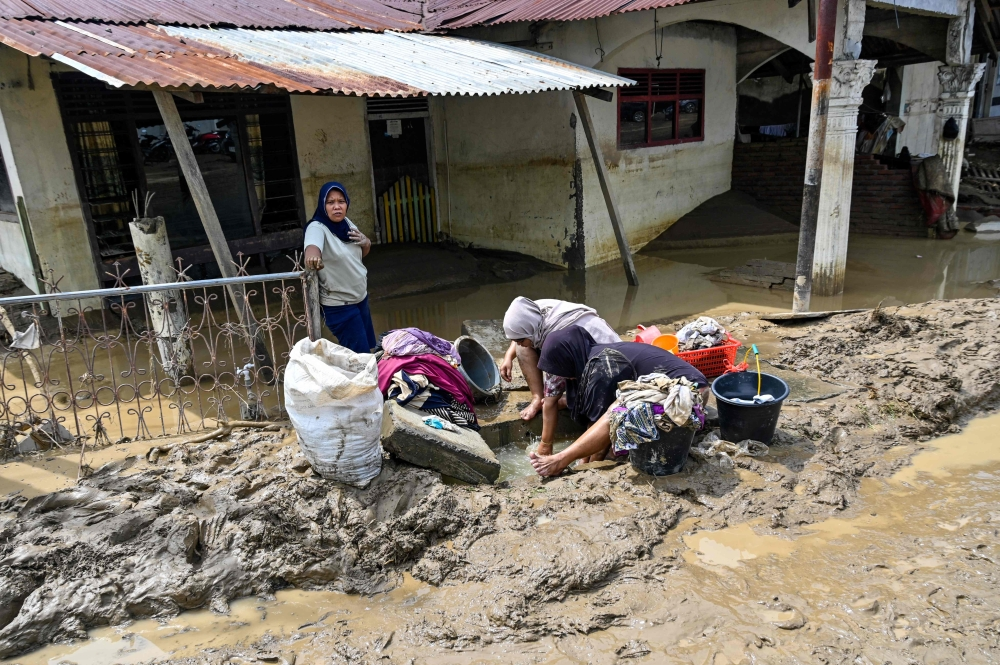
Indonesian authorities have announced that the death toll from devastating floods and landslides that struck the island of Sumatra has risen to 248, in one of the worst natural disasters to hit the region in recent years. The disaster was triggered by torrential monsoon rains over the past week, which caused rivers to overflow and destroyed entire villages.
Police and rescue teams reported that efforts to reach the affected areas are facing enormous challenges due to the widespread destruction of infrastructure. Mudslides swept through mountain villages, carrying rocks and trees, cutting off roads, destroying bridges, and isolating many communities.
Geographical and climatic context: Why do disasters recur in Indonesia?
Indonesia, an archipelago of thousands of islands, is one of the world's most disaster-prone countries. This is due to its location on the Pacific Ring of Fire, a region of high seismic and volcanic activity. This activity makes the soil in mountainous areas unstable and prone to landslides, especially when saturated by the heavy rains that fall during the monsoon season, which typically runs from October to April.
In addition to natural factors, human activities such as unregulated deforestation exacerbate the situation. Deforestation leads to soil erosion and a loss of its ability to absorb rainwater, increasing the speed of surface runoff and multiplying the risk of devastating floods and mudslides.
The importance and expected impact of the disaster
The effects of this disaster extend far beyond the immediate human to include profound humanitarian and economic repercussions. Locally, the floods have displaced tens of thousands of residents who have lost their homes and livelihoods and are now in dire need of shelter, food, clean water, and urgent medical assistance. The risk of outbreaks of waterborne diseases such as cholera and typhoid is also increasing in the affected areas.
Regionally, this disaster highlights the shared vulnerability of Southeast Asian countries to extreme weather events, as Thailand and Malaysia experienced similar flooding around the same time, suggesting a broader climate pattern that may be linked to global climate change. Internationally, the scale of the disaster necessitates a rapid humanitarian response, with international organizations beginning to mobilize aid to support the relief efforts led by the Indonesian government.