The death toll from the Sumatra floods has risen to 84
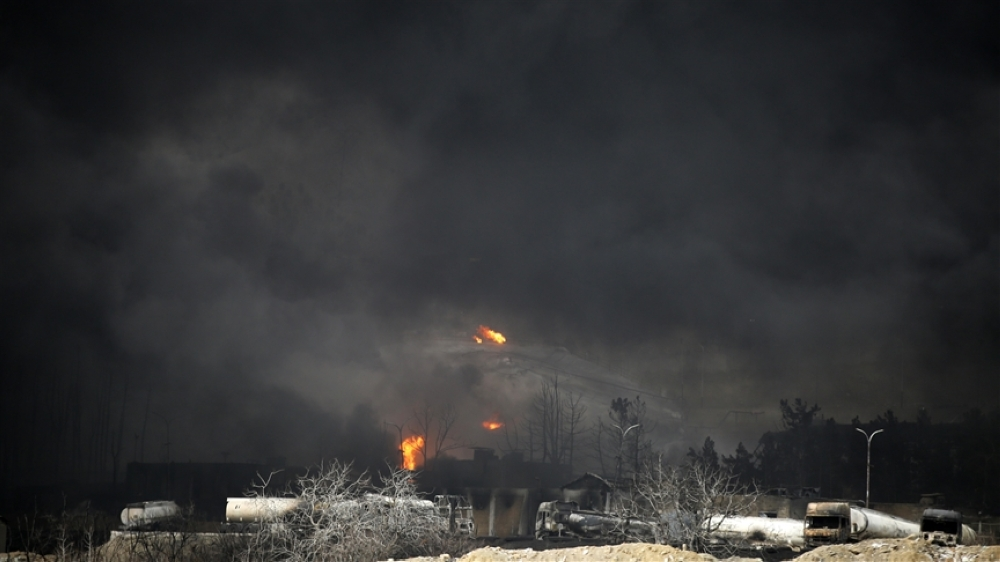
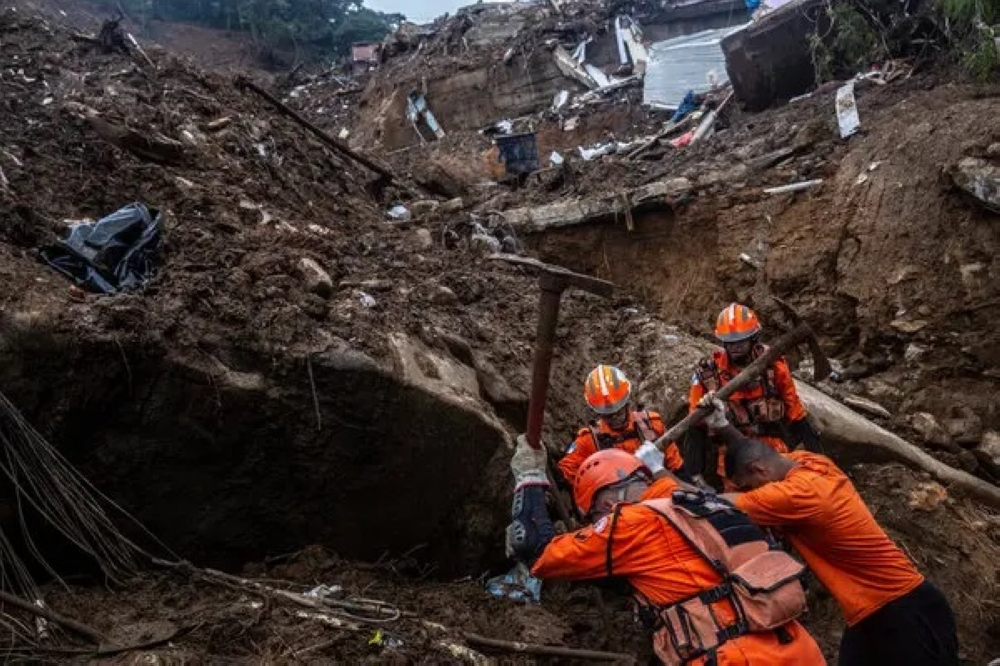
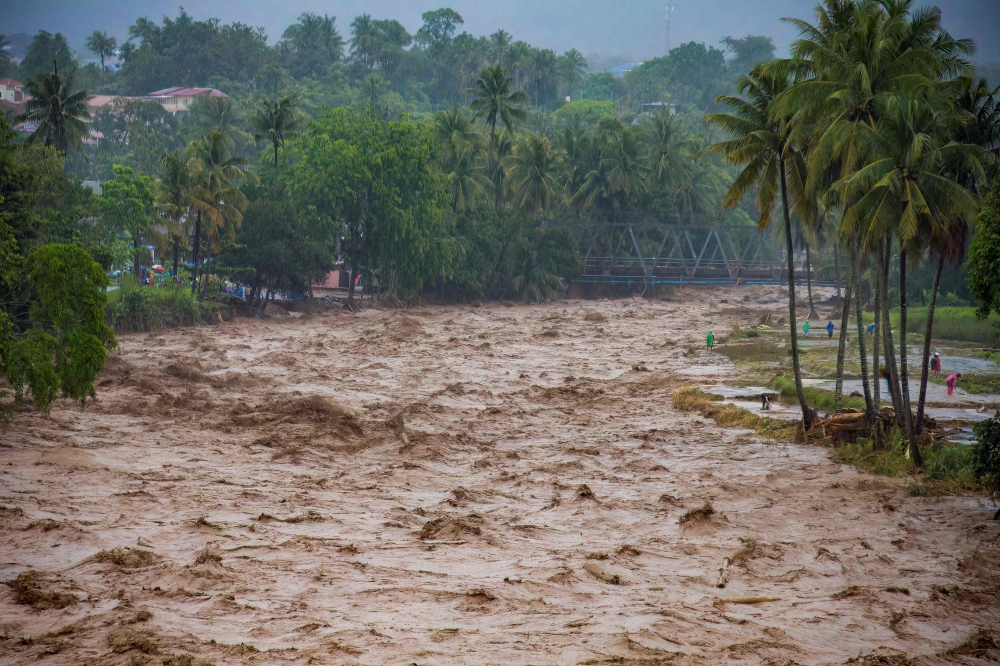
Indonesian authorities have announced a tragic rise in the death toll from devastating floods and landslides that struck Sumatra Island, with the confirmed number of fatalities reaching 84. The fate of at least 65 people remains unknown as complex search and rescue operations continue. The Indonesian disaster agency stated that West Sumatra province was among the hardest hit, recording 22 deaths and 12 missing persons. Rescue teams, comprised of military personnel, police, and volunteers, are facing immense challenges in reaching the affected areas due to destroyed roads and bridges, as well as adverse weather conditions that are hampering search efforts.
Sumatra in the face of nature: a complex geological and climatic context
Indonesia, the world's largest archipelago, is one of the most disaster-prone countries globally. This is due to its location on the Pacific Ring of Fire, a region characterized by high seismic and volcanic activity. Furthermore, the monsoon season, which typically runs from October to April, brings torrential rains that frequently trigger floods and mudslides, particularly in mountainous and steeply sloping areas like Sumatra. These natural hazards are exacerbated by human activities, most notably widespread deforestation for agriculture and urban expansion. The loss of vegetation degrades the soil and reduces its ability to absorb rainwater, increasing runoff and the likelihood of flash floods and catastrophic landslides.
Disastrous effects on both the humanitarian and economic levels
The effects of this disaster extend far beyond the loss of life, encompassing severe humanitarian and economic repercussions. Thousands of residents have been forced to flee their homes, which were destroyed or rendered unsafe by the floods, and are now in dire need of shelter, food, clean water, and medical care. Economically, the floods have devastated vast areas of farmland, the primary source of livelihood for many locals, and caused extensive damage to vital infrastructure, isolating communities and disrupting trade and services. Reconstruction efforts are expected to be lengthy and require substantial resources from the Indonesian government, with the potential for international assistance to support long-term relief and recovery operations.