UN warns of impending health catastrophe in Sudan
The World Health Organization (WHO) has issued a stark warning that Sudan's health system is on the verge of complete collapse due to systematic and repeated attacks on health facilities and the ongoing armed conflict that has plagued the country for over a year. The organization called for urgent international action to avert a humanitarian catastrophe that could have devastating consequences for millions of civilians.
Background of the conflict and its impact on the health sector
The current conflict in Sudan erupted in April 2023 between the Sudanese Armed Forces and the Rapid Support Forces, plunging the country into a spiral of violence. This conflict did not arise in a vacuum; it followed years of political and economic turmoil that had already weakened the country's infrastructure, including a health sector that was suffering from underfunding and a lack of resources even before the fighting began. The conflict has catastrophically exacerbated the situation, turning hospitals and clinics, which should be safe havens, into battlefields or direct targets of attacks.
Shocking figures reflect the scale of the tragedy
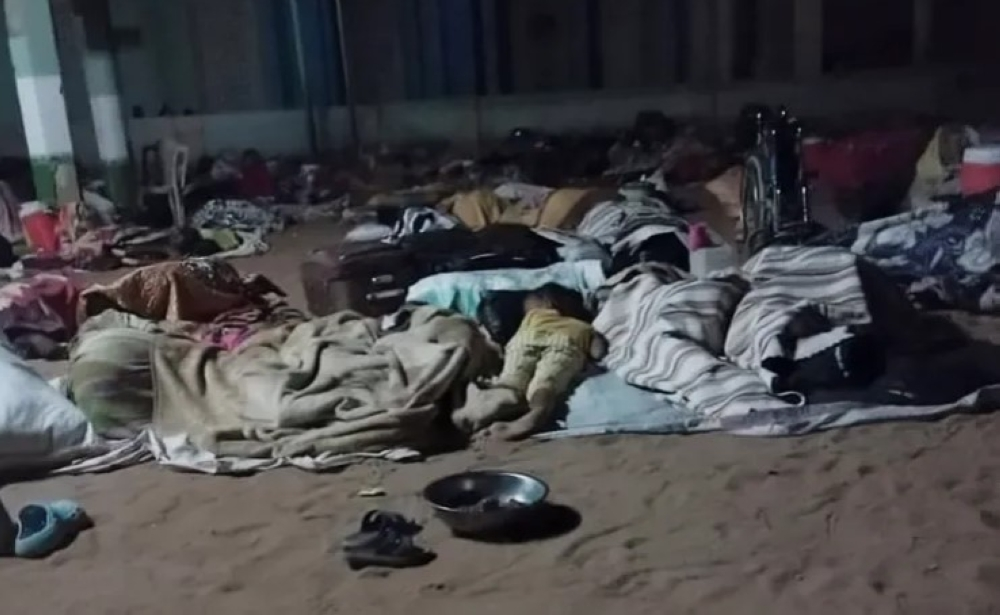
According to the organization's reports, the figures reflect the scale of the escalating crisis. More than 33.7 million people require some form of humanitarian assistance to survive, while nearly 13.6 million have been forced to flee their homes, either within Sudan or to neighboring countries, creating one of the world's largest displacement crises. The World Health Organization has documented at least 205 direct attacks on healthcare facilities since the start of the conflict, resulting in the killing and wounding of health workers and patients, the destruction of vital infrastructure, and the looting of priceless medical supplies.
Local and regional repercussions of the health collapse
The collapse of the health system not only means the inability to treat war wounded, but also extends to the cessation of essential services such as maternal and child health, routine immunizations, and treatment for chronic diseases like diabetes and heart disease. This situation has led to outbreaks of serious illnesses such as cholera, measles, and dengue fever, which spread rapidly in the absence of clean water and sanitation and amidst overcrowding of displaced people. Regionally, the influx of refugees places immense pressure on the health systems and resources of neighboring countries such as Chad, South Sudan, and Egypt, and increases the risk of cross-border disease transmission.
Urgent call for action
In light of this deteriorating situation, the World Health Organization reiterates its call on all parties to the conflict to respect international humanitarian law and ensure the protection of health facilities and personnel. It also urges the international community to increase funding for the humanitarian response in Sudan and to work urgently to achieve a ceasefire that paves the way for lasting peace and allows unimpeded access for aid to all those in need.