Violence escalates and the humanitarian crisis worsens in Sudan
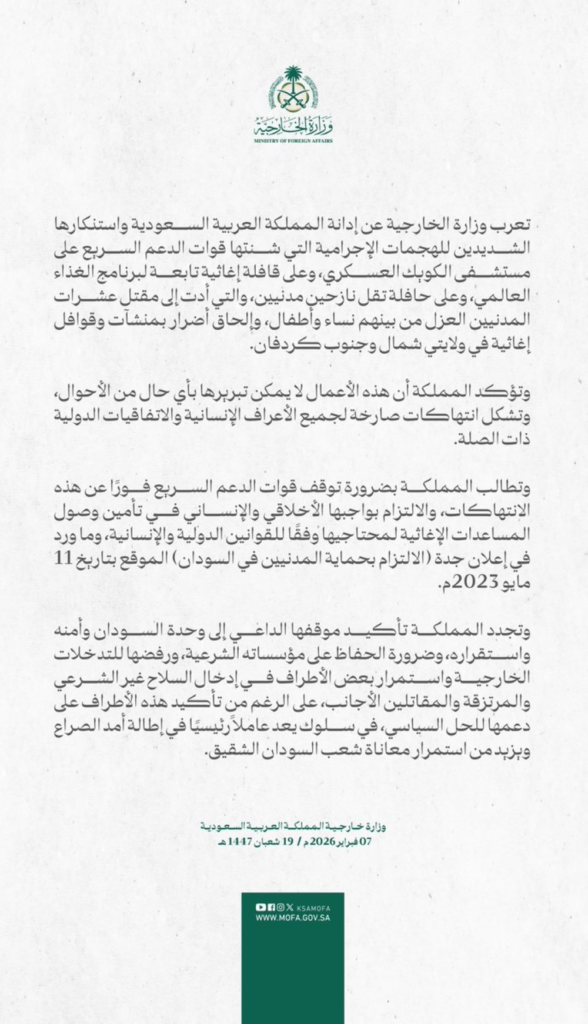
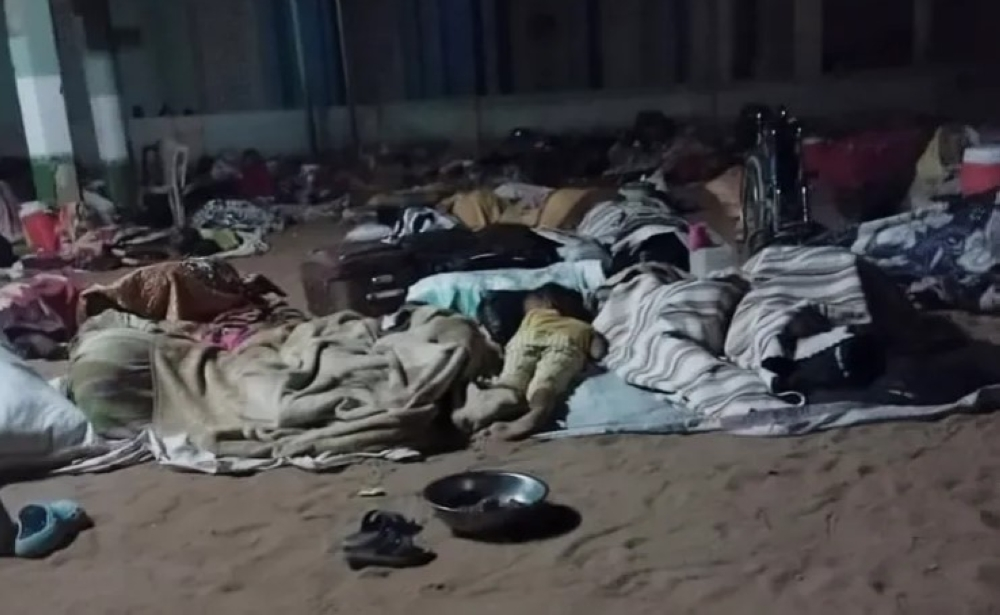
Attacks by the Rapid Support Forces (RSF) in Sudan continue, targeting civilians and vital infrastructure and exacerbating the country's humanitarian crisis. Recent reports indicate systematic attacks, including on the Al-Kuweik military hospital, a World Food Programme aid convoy, and a bus carrying displaced civilians, resulting in the deaths of dozens, including women and children. These attacks are not isolated incidents but part of a persistent pattern of grave violations of international humanitarian law, including the destruction of residential areas, the burning of villages, and attacks on unarmed civilians.
Background of the conflict: From alliance to infighting
The current conflict in Sudan erupted in April 2023, but its roots lie in years of political and military tensions. It arose from a power struggle between the Sudanese Armed Forces, led by Lieutenant General Abdel Fattah al-Burhan, and the paramilitary Rapid Support Forces (RSF), led by Lieutenant General Mohamed Hamdan Dagalo “Hemedti.” The two sides were former allies, having cooperated in the 2019 overthrow of former President Omar al-Bashir and participated in the subsequent transitional government. However, disagreements escalated over key issues, most notably the plan to integrate the RSF into the national army, which Hemedti perceived as an attempt to marginalize his forces. This led to an outbreak of violence in the capital, Khartoum, which quickly spread to other areas, particularly the Darfur region.
Regional and international dimensions: The UAE's alleged role
As the war continues, accusations against the United Arab Emirates of providing military and logistical support to the Rapid Support Forces (RSF) have intensified. The Sudanese government considers this support an intervention aimed at prolonging the conflict and undermining the country's stability. Reports from UN experts and international media indicate that this alleged support includes supplying the RSF with modern weapons, drones, and facilitating the entry of foreign mercenaries. Observers believe this external intervention hinders political settlement efforts, as it empowers one side in the conflict to continue fighting instead of engaging seriously in peace negotiations, such as those held in Jeddah under Saudi-American auspices. The UAE, for its part, denies these accusations and affirms its support for peaceful solutions and the provision of humanitarian aid to the Sudanese people.
Disastrous effects at both the local and regional levels
The conflict has led to one of the world’s worst humanitarian crises. Millions of Sudanese have been internally displaced, while hundreds of thousands have fled to neighboring countries such as Chad, Egypt, and South Sudan, placing immense strain on these countries’ resources and threatening to destabilize the entire region. The health system has virtually collapsed, basic services have ceased, and international organizations warn of an imminent famine that could claim millions of lives. Targeting aid convoys and medical facilities is not only a violation of international law but also a death sentence for thousands of civilians who depend on this aid for survival, making a ceasefire and ensuring humanitarian access a top international priority.