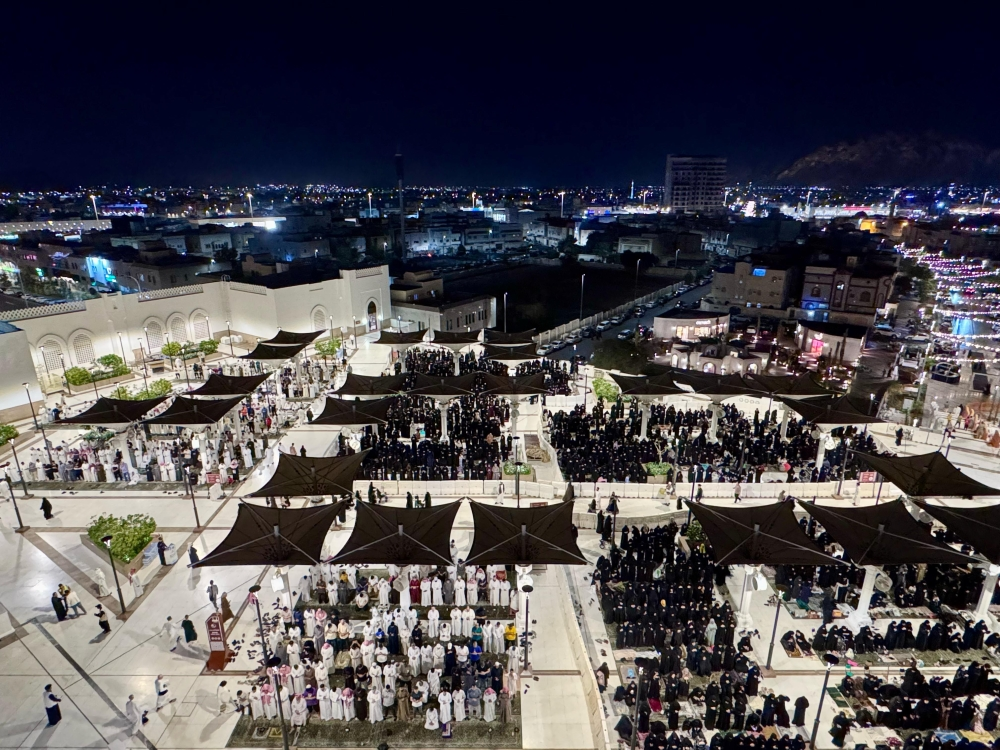
The Ministry of Islamic Affairs, Dawah and Guidance, represented by its branch in the region, announced the success of the exceptional operational plan implemented during the night of the Quran's completion in Madinah . This plan aimed to manage crowds and organize the movement of worshippers in major and historical mosques, such as Al-Khandaq Mosque, Sayyid al-Shuhada Mosque, and Qiblatain Mosque. These efforts coincided with the Tahajjud prayer, within a comprehensive system of field and organizational services that contributed to creating a safe and reassuring spiritual atmosphere for all the worshippers who flocked in large numbers to observe this great ritual.
The historical importance of the major mosques in the holy capital
The mosques included in the operational plan hold immense significance, possessing historical symbolism and a deep-rooted place in the Islamic consciousness. The Qiblatain Mosque bears witness to the momentous event of the change of the Qibla (direction of prayer), the Trench Mosque is closely linked to the Battle of the Trench, and the Sayyid al-Shuhada Mosque stands as a testament to the sacrifices of the Companions in the Battle of Uhud. These landmarks, connected to the Prophet's biography and Islamic history, make them prime destinations for visitors to Medina from around the world. During the blessed month of Ramadan, particularly in the last ten days, the number of visitors and worshippers increases dramatically as they seek to observe these sacred nights in these holy places, necessitating exceptional preparations to ensure the comfort of the pilgrims.
Reflections on the successful organization of the Quran completion night in Medina
The successful crowd management of the Quran recitation ceremony in Medina has had a far-reaching and positive impact on both the regional and international levels. This success reflects the Kingdom of Saudi Arabia's exceptional capabilities in managing massive gatherings with high professionalism. It also sends a reassuring message to millions of Muslims worldwide that their holy sites are in safe hands, with all resources dedicated to serving them. Locally, this achievement enhances the efficiency of national personnel in managing religious events and strengthens the infrastructure of the religious tourism sector, aligning with the goals of Vision 2030 to enrich the visitor experience and provide a comprehensive spiritual environment.
High flow of movement for worshippers and visitors
The Ministry of Islamic Affairs branch explained that the operational plan, by the grace of God, contributed to a smooth flow of worshippers entering and exiting the mosques. Prayer areas inside the mosques and their courtyards were organized through intensified field efforts and by directing worshippers to their designated spots. This meticulous organization ensured optimal utilization of the full capacity of the mosques and their surrounding areas, significantly reducing overcrowding and congestion. Maintenance, operational, and cleaning efforts also played a pivotal role, being enhanced both before and after prayers to ensure readiness and the efficiency of sound, air conditioning, and lighting systems. This provided a conducive environment that helped worshippers perform their prayers in an atmosphere of devotion.
Applying the highest standards of regulation and safety
The field efforts included assigning a select group of male and female supervisors and mosque staff to oversee the implementation of the plan on the ground. Continuous coordination was maintained with various relevant security and service agencies, which contributed to the integration of efforts and the achievement of the highest standards of organization and safety during this blessed night, which witnessed a large turnout. The Ministry branch affirmed that this success stems from the wise leadership's commitment—may God support them—to caring for mosques and serving their worshippers, and from the ongoing follow-up of His Excellency the Minister of Islamic Affairs, Dawah and Guidance, to dedicate all resources to serving worshippers and creating a suitable environment for them to perform their acts of worship with ease and tranquility.