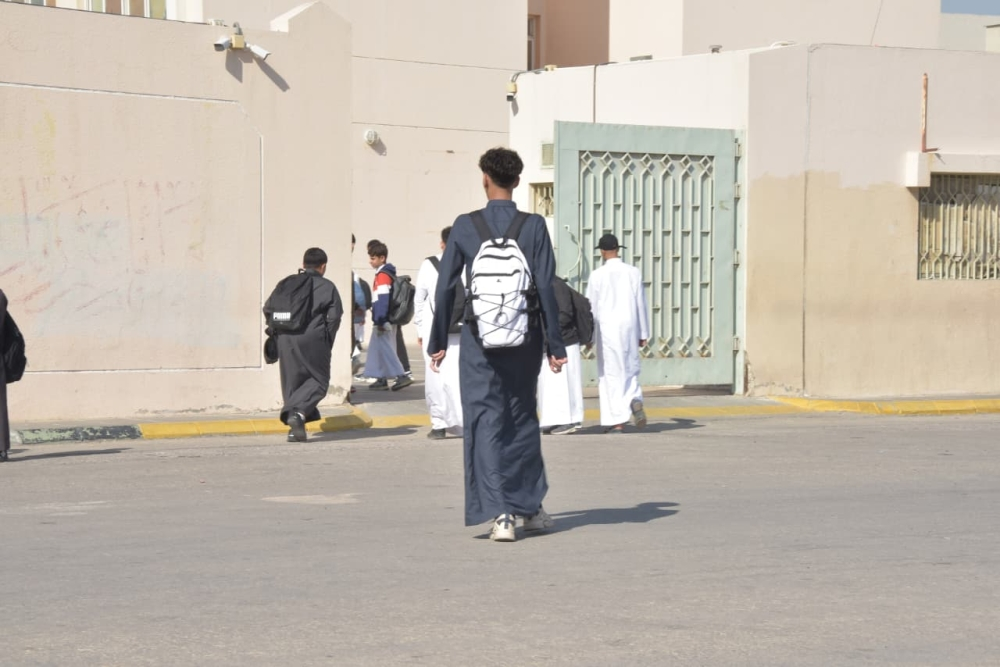
A disciplined start to the educational process during Ramadan
With the dawn of the first day of Ramadan 1447 AH, schools across Saudi Arabia, including public, private, and international schools, witnessed a smooth and organized return of students to their classrooms. Al-Youm newspaper's cameras captured the positive and focused atmosphere in the classrooms, confirming the success of the Ministry of Education's plan to ensure the efficient continuation of the educational process during this holy month.
The Ministry has directed all education departments in regions and governorates to implement a comprehensive plan aimed at regulating studies and enhancing school discipline. The plan includes strict monitoring of absences and enforcement of regulations, along with the optimal use of class time to ensure the continued achievement of targeted learning outcomes. The Ministry warned against any negligence that could negatively impact the instructional time allocated to students.
Background and context of Ramadan studies in the Kingdom
Continuing studies during Ramadan is a well-established educational tradition in the Kingdom, reflecting the leadership's commitment to balancing religious observances with academic requirements. This period falls within the new academic calendar, which is based on a three-semester system designed to improve educational outcomes and reduce gaps between semesters. The Ramadan schedule has been carefully designed, limiting actual school days to just 11, beginning on the first day of Ramadan and ending on the 16th, after which the Eid al-Fitr holiday begins.
The education departments adopted flexible and different times for the start of the school day, taking into account the special circumstances of each region. For example, school starts in Riyadh and Makkah at nine o'clock in the morning, while it starts in the Eastern Province and Tabuk at nine thirty, and in Qassim at ten o'clock in the morning, which reflects the ministry’s keenness to provide a suitable educational environment for everyone.
Strategic importance and expected impact
The continuity of education during Ramadan is of strategic importance at the national level, aligning directly with the objectives of Saudi Vision 2030, which prioritizes human capital development. Ensuring students' uninterrupted learning fosters discipline and responsibility, and underscores that the pursuit of knowledge is a lifelong journey. On a social level, this period strengthens the partnership between families and schools. The Ministry has urged parents to support their children by organizing their time, providing a stimulating home environment for studying, and ensuring they get adequate rest.
These school days coincide with the start of the first-term exams in many schools, which continue until the end of the school day on the 16th of Ramadan. Ministerial directives have instructed teachers to employ "active learning" strategies to accommodate students' physiological changes during fasting and to combat any feelings of stagnation. The directives also emphasize the role of student counselors in providing necessary psychological support and addressing frequent absences, ensuring maximum benefit from this intensive study period.