With the start of the first semester exams approaching, the Saudi Ministry of Education has revealed the main and updated features of the 2025 Student Assessment Regulations . These updates come as part of the Ministry's ongoing efforts to develop the educational system and improve learning outcomes in line with modern changes.
The shift towards continuous formative assessment
The Ministry of Education has confirmed its new strategic direction, which places "formative assessment" as a cornerstone in measuring student performance. The fundamental change involves integrating oral and practical assessments as an integral part of the academic year, administering them continuously within daily classes rather than separating them into separate exam schedules. This step aims to alleviate the anxiety surrounding traditional exams and make assessment a continuous process that accurately reflects the student's true level throughout the semester.
Development context: Vision 2030 and human capacity development
These amendments cannot be viewed in isolation from the broader context of educational development in the Kingdom, as they fall within the objectives of the Human Capability Development Program , one of the programs under the Kingdom's Vision 2030. This shift aims to move away from rote learning and intensive written exams towards a skills-based and practical education system. These updates address the need to bridge the gap between theoretical education and practical application, ultimately contributing to the graduation of a generation equipped with the skills required by the evolving labor market.
Greater flexibility and educational equity for people with disabilities
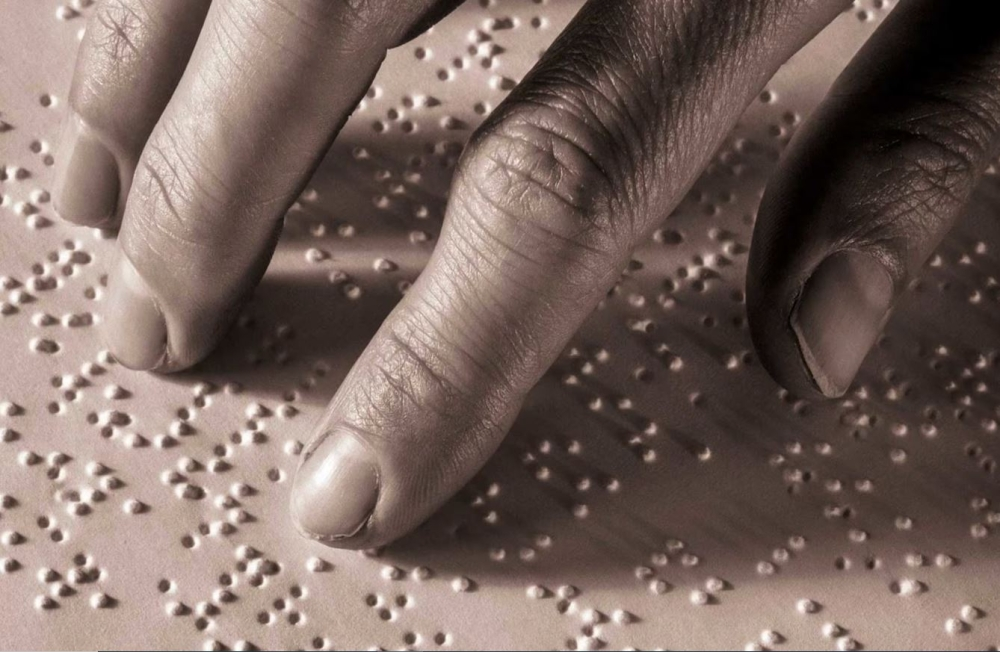
The ministry explained that the new regulations restructured the distribution of grades between coursework and final exams to ensure comprehensive assessment. In a significant humanitarian and educational gesture, the regulations granted schools considerable flexibility in choosing assessment tools and methods, particularly for students with disabilities. Specific procedures were outlined for assessing visually impaired students, guaranteeing a fair environment, sufficient time, and assistive devices, thus promoting equal opportunities and full inclusion in the educational process.
Focus on basic skills and behavior
The new regulations emphasize the importance of a solid foundation, stipulating proficiency in reading and writing in Arabic as a prerequisite for first and second grade students to advance to the next grade. Regarding discipline and behavior, the Ministry has allocated 100 points for attendance and 100 points for activities that develop values and skills. Furthermore, behavior assessment has been structured in a motivating manner: 80% for general positive behavior and 20% for outstanding behavior, a step aimed at fostering a positive school environment.
Educational experts believe that conducting final exams in the last week of school and within the usual school day will greatly contribute to enhancing school organization and reducing psychological pressure on students and parents, making the learning process more enjoyable and effective.