مع اقتراب موعد انطلاق اختبارات الفصل الدراسي الأول، كشفت وزارة التعليم في المملكة العربية السعودية عن الملامح الرئيسية للائحة تقويم الطالب لعام 2025. وتأتي هذه الخطوة في إطار سعي الوزارة المستمر لتطوير المنظومة التعليمية ورفع كفاءة المخرجات بما يتوافق مع التطلعات الوطنية.
التحول نحو التقويم التكويني الشامل
أكدت وزارة التعليم تبنيها توجهاً استراتيجياً جديداً يركز على تعزيز “التقويم التكويني” كركيزة أساسية لقياس أداء الطلبة. ويتمثل هذا التوجه في دمج الاختبارات الشفهية والعملية ضمن أعمال السنة اليومية، وتطبيقها بشكل مستمر داخل الحصص الدراسية بدلاً من فصلها في اختبارات مستقلة. يهدف هذا الإجراء إلى تخفيف رهبة الاختبارات التقليدية لدى الطلاب وجعل عملية التقييم جزءاً لا يتجزأ من رحلة التعلم اليومية.
سياق التطوير وأهداف رؤية 2030
لا يعد هذا التحديث مجرد تغيير إجرائي، بل يأتي ضمن سياق أوسع لتطوير التعليم في المملكة بما يتماشى مع مستهدفات رؤية المملكة 2030 وبرنامج تنمية القدرات البشرية. حيث تسعى الوزارة للانتقال من التعليم المعتمد على الحفظ والتلقين إلى تعليم يركز على المهارات والتطبيق العملي. وتعد هذه اللائحة خطوة محورية لضمان اكتساب الطلاب للمهارات الأساسية والمستقبلية، مما يعزز من تنافسيتهم محلياً ودولياً.
توزيع الدرجات والمرونة في التقييم
أوضحت الوزارة أن اللائحة الجديدة أعادت هيكلة توزيع الدرجات بين أعمال السنة والاختبارات الختامية وفق نسب مدروسة تضمن قياس المهارات والمعارف بصورة أكثر شمولاً وتوازناً. كما منحت اللائحة المدارس مرونة أوسع في اختيار أدوات وأساليب التقويم المناسبة، مما يتيح للمعلمين تكييف طرق التقييم بما يتناسب مع خصائص كل طالب واحتياجاته التعليمية الفردية.
التركيز على المهارات الأساسية والسلوك
تضمنت اللائحة تشديداً على أهمية إتقان مهارتي القراءة والكتابة في مادة اللغة العربية للصفين الأول والثاني الابتدائي، كشرط أساسي للانتقال للمراحل التالية، وهو ما يعكس حرص الوزارة على تأسيس قاعدة لغوية متينة للطلاب. وفيما يخص تقويم السلوك، تم اعتماد آلية جديدة تقسم الدرجات إلى 80% للسلوك الإيجابي و20% للسلوك المتميز، بهدف تحفيز البيئة المدرسية الإيجابية. كما تم تخصيص 100 درجة لبرامج النشاط و100 درجة للمواظبة عن كل فترة دراسية.
العدالة التعليمية وذوي الإعاقة
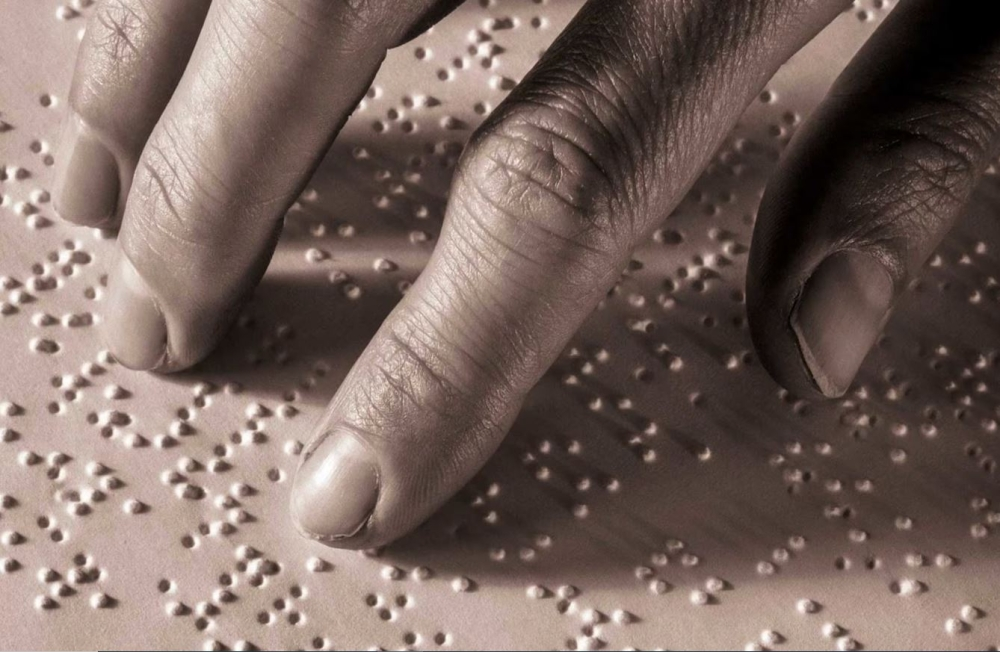
ترسيخاً لمبدأ العدالة التعليمية وتكافؤ الفرص، أولت اللائحة اهتماماً خاصاً بالطلبة ذوي الإعاقة، وخاصة ذوي الإعاقة البصرية. حيث تم وضع إجراءات تنفيذية تضمن بيئة تقويم منصفة، تشمل توفير الزمن الكافي والبيئات المناسبة، واستخدام أدوات تقويم تراعي الفروق الفردية وتدعم اندماجهم الكامل في العملية التعليمية.
الأثر المتوقع محلياً وتربوياً
من المتوقع أن يسهم هذا النظام الجديد في تحسين نواتج التعلم وتقليل الضغط النفسي على الطلاب وأولياء الأمور خلال فترات الاختبارات. كما أشاد تربويون بهذه التحديثات، مؤكدين أنها تمثل نقلة نوعية تركز على الأداء الفعلي والتطور المستمر للطالب، وتوظف التقنية بمرونة عالية، مع التأكيد على أن الاختبارات الختامية ستجرى في الأسبوع الأخير من الفترة الدراسية ضمن اليوم الدراسي لضمان سير العملية التعليمية بانتظام.