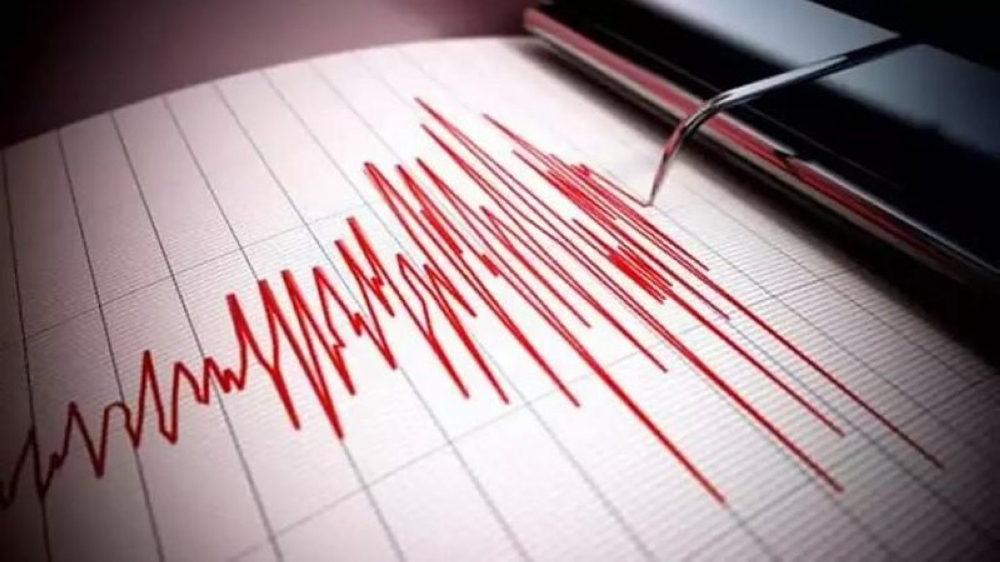
The northwestern regions of Canada, specifically the Yukon Territory, witnessed a significant geological event: a powerful earthquake measuring 7 on the Richter scale, which sparked anticipation among scientists and residents of the border regions with the United States.
Details of the earthquake and its geographical location
The U.S. Geological Survey (USGS), the world's leading authority on seismic activity, reported that the earthquake occurred late last night. The epicenter was located approximately 250 kilometers west of Whythers, the capital of Canada's Yukon Territory. The earthquake also occurred near the border between Canada and the U.S. state of Alaska, specifically 370 kilometers northwest of Juneau, the capital of Alaska.
Technical data indicated that the earthquake was shallow, occurring at a depth of only 10 kilometers below the Earth's surface. Geologically, shallow earthquakes are generally known to be more intense and have a greater impact on the surface than deep earthquakes; however, divine providence and the region's geography prevented a catastrophe.
Human losses and damages
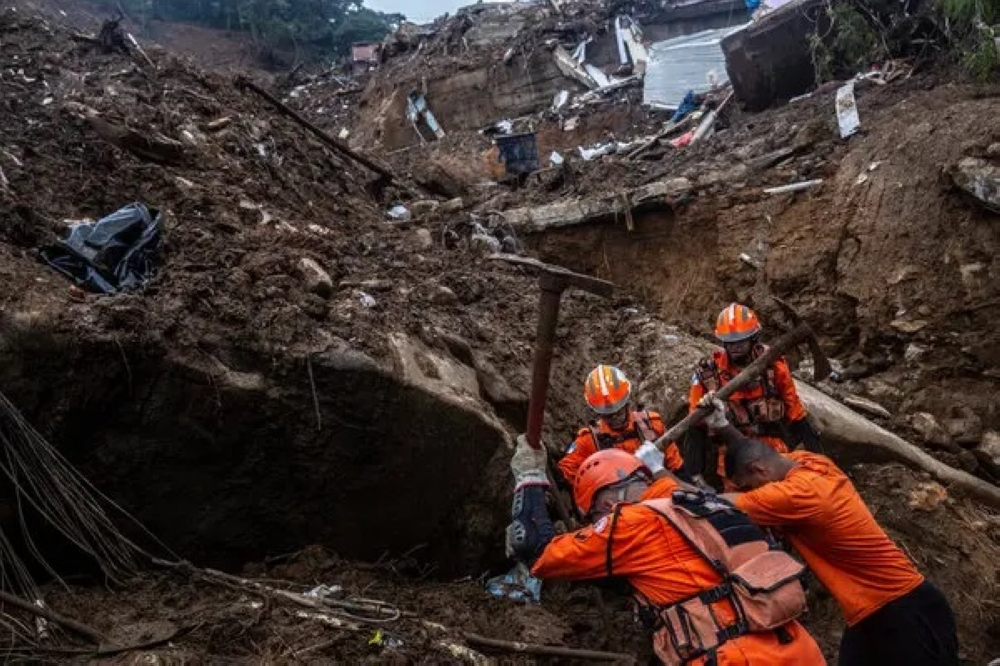
Despite the earthquake's magnitude of 7, there were no immediate reports of casualties or injuries, nor was any significant damage to infrastructure recorded. This is primarily attributed to the region's demographics; the earthquake struck a remote area with a very low population density, greatly reducing the likelihood of direct human contact with the epicenter.
Geological context: Ring of Fire
This earthquake is part of the natural tectonic activity in this region, as Alaska and adjacent areas in western Canada lie within the Pacific Ring of Fire. This region is a broad arc that encircles the Pacific Ocean basin and is characterized by extremely high seismic and volcanic activity resulting from the continuous movement of tectonic plates.
The Yukon-Alaska border region is one of the most seismically active areas in North America, where the Pacific Plate meets the North American Plate. This constant friction between the plates leads to a buildup of pressure in the Earth's crust, which is released suddenly in the form of earthquakes of varying magnitudes.
The importance of monitoring and follow-up
Canadian and American authorities pay close attention to monitoring these earthquakes, not only to assess direct damage but also to study the likelihood of aftershocks that may follow the main earthquake. Major earthquakes are typically followed by aftershocks that can last for days or weeks, requiring residents in nearby areas to remain vigilant and follow public safety instructions issued by local authorities.