A violent storm hits Western Europe
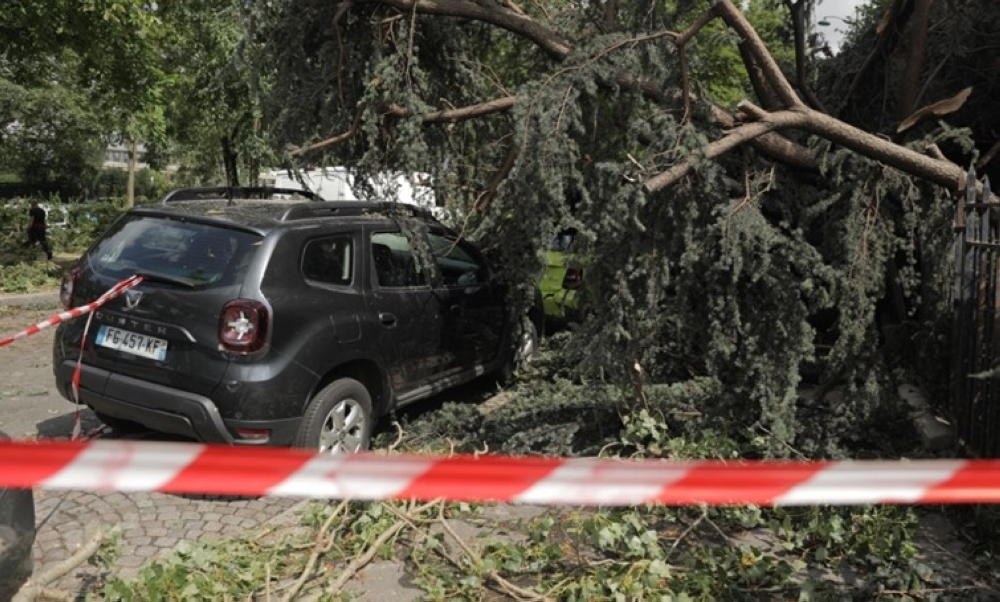
Storm Nils battered large areas of southwestern France with winds exceeding 160 kilometers per hour, killing a truck driver and leaving approximately 900,000 homes without power on Thursday. The French meteorological service issued a red alert for five southern departments, warning of the severity of the weather phenomenon, which it described as "unusual.".
Human and material losses
In the southwestern province of Llandu, where winds reached a record speed of 162 kilometers per hour, a 55-year-old truck driver was killed when a large tree branch pierced his windshield. Local residents described a difficult night, with the sound of roof tiles being ripped off and garbage containers being tossed about by the force of the wind. The electricity distribution company, Enedis, confirmed that 900,000 homes were without power on Thursday morning, as emergency crews worked to repair the extensive damage to the grid.
Widespread disruptions in transportation
As the storm moved southeast, the disruptions severely hampered transportation. All ferry services between Corsica and mainland France were canceled, and most flights to and from the island were suspended as a precaution to ensure passenger safety. The storm's effects also extended to neighboring Spain, where high winds injured several people in the northeastern region of Catalonia, and emergency services reported that 25 people required medical attention.
In the context of climate change
Storm Nils comes amid a global trend of increasingly frequent and intense extreme weather events, which scientists directly link to the effects of climate change. France, like other Western European countries, is increasingly vulnerable to powerful Atlantic storms, particularly during the autumn and winter months. This storm brings to mind previous devastating storms such as Lothar and Martin in 1999, which caused extensive damage, and Storm Cynthia in 2010, which led to deadly flooding. These recurring events underscore the urgent need to strengthen infrastructure and develop early warning systems to address future climate challenges and protect lives and property.