تداعيات العاصفة كريستن في البرتغال
تستعد البرتغال لمواجهة موجة جديدة من الطقس السيئ، حيث تستمر تداعيات العاصفة كريستن في إلقاء ظلالها على البلاد. بعد أن أودت العاصفة بحياة خمسة أشخاص وتسببت في دمار واسع، لا يزال حوالي 200 ألف مستهلك يعانون من انقطاع التيار الكهربائي، بينما تتأهب السلطات لهطول أمطار غزيرة ورياح عاتية خلال الأيام القادمة.
تأثير العاصفة المباشر وحجم الأضرار
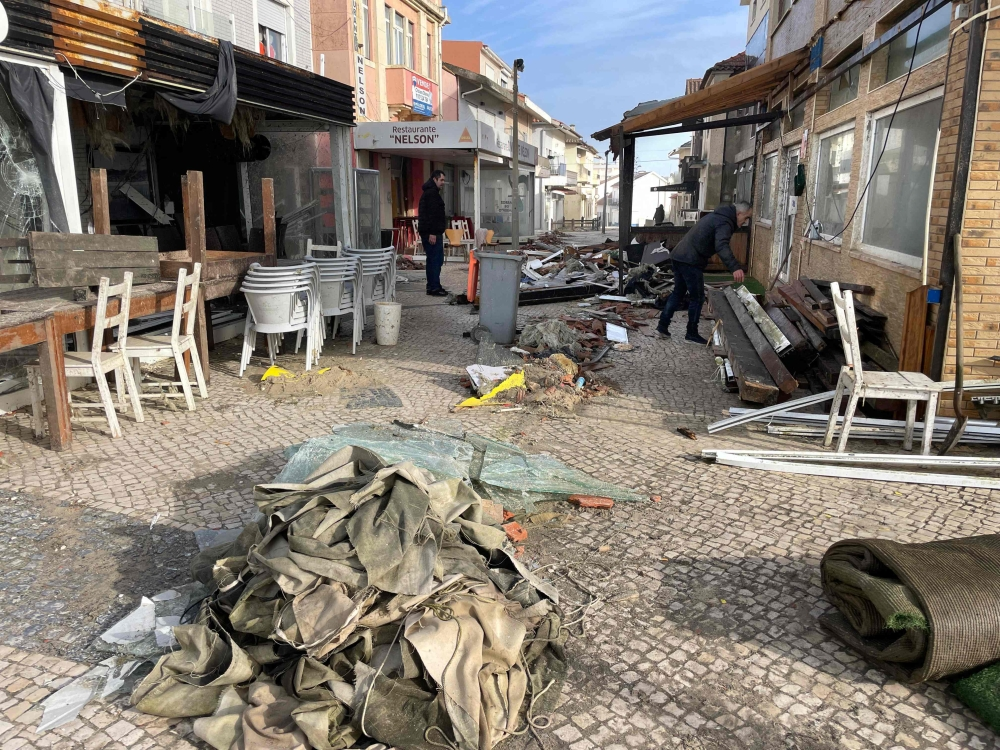
ضربت العاصفة كريستن، التي حملت رياحًا بقوة الإعصار، مناطق وسط وشمال البرتغال ليل الثلاثاء، مخلفةً وراءها سلسلة من الأضرار الجسيمة. أدت الأمطار الغزيرة إلى فيضانات واسعة، وتضررت العديد من المباني، كما تعطلت حركة السفر بشكل كبير. وأفادت التقارير الرسمية بسقوط ما يقرب من 5800 شجرة، مما أدى إلى إغلاق الطرق وتفاقم انقطاع شبكات الكهرباء. وبحسب شركة “E-redes”، المسؤولة عن توزيع الكهرباء، فإن منطقة ليريا في وسط البلاد كانت الأكثر تضررًا، حيث تركزت فيها غالبية المنازل التي لا تزال بدون كهرباء.
ولم تقتصر الخسائر على الماديات، حيث ارتفع عدد الضحايا إلى خمسة أشخاص. وفي حادث مأساوي وقع يوم السبت، لقي رجل يبلغ من العمر 73 عامًا مصرعه بعد سقوطه من على سطح منزله أثناء محاولته إصلاح الأضرار التي لحقت به في بلدة باتاليا، مما يسلط الضوء على المخاطر التي يواجهها السكان حتى بعد مرور العاصفة.
السياق المناخي وموقع البرتغال الجغرافي
تعتبر العواصف الأطلسية القوية ظاهرة متكررة في غرب أوروبا، خاصة خلال فصلي الخريف والشتاء. وبسبب موقعها الجغرافي المطل على المحيط الأطلسي، تعد البرتغال واحدة من أولى الدول الأوروبية التي تستقبل هذه الأنظمة الجوية العنيفة. تتشكل هذه العواصف فوق مياه المحيط الدافئة وتكتسب قوتها أثناء تحركها شرقًا نحو القارة. وفي السنوات الأخيرة، حذر خبراء المناخ من أن ظاهرة الاحتباس الحراري قد تساهم في زيادة شدة وتواتر هذه العواصف، مما يجعلها أكثر تدميرًا وقادرة على حمل كميات أكبر من الأمطار، وهو ما يزيد من خطر الفيضانات والانهيارات الأرضية.
تحذيرات رسمية واستجابة السلطات
في مواجهة التهديد المستمر، وضعت وكالة الأرصاد الجوية البرتغالية (IPMA) معظم أنحاء البلاد في حالة تأهب قصوى، محذرة من هطول أمطار غزيرة ورياح قوية قد تصل سرعتها إلى 100 كيلومتر في الساعة، ومن المتوقع أن يستمر هذا الإنذار حتى يوم الاثنين. بدورها، حذرت هيئة الحماية المدنية من أن التربة المشبعة بالمياه وارتفاع منسوب الأنهار يزيدان من احتمالية حدوث فيضانات مفاجئة في المناطق الحضرية وانهيارات أرضية في المناطق الجبلية. وقد وجهت السلطات نداءات عاجلة للسكان بتوخي أقصى درجات الحيطة والحذر، وتثبيت الأجسام القابلة للتطاير، وتجنب المناطق الساحلية المنخفضة وضفاف الأنهار، واتخاذ احتياطات إضافية أثناء القيادة على الطرق.
التأثير الاقتصادي والمجتمعي
يتجاوز تأثير العاصفة كريستن الأضرار المادية المباشرة ليشمل تداعيات اقتصادية واجتماعية واسعة. فانقطاع التيار الكهربائي لفترات طويلة يشل حركة الأعمال التجارية الصغيرة ويعطل الحياة اليومية للمواطنين. كما أن الأضرار التي لحقت بالبنية التحتية، مثل الطرق والجسور وشبكات الكهرباء، تتطلب استثمارات كبيرة لإصلاحها. وفي ليريا، وجه رئيس البلدية، غونسالو لوبيس، نداءً للمتطوعين للمساعدة في إصلاح أسقف المنازل المتضررة قبل وصول موجة الأمطار الجديدة، في خطوة تعكس حجم التحدي وروح التكافل المجتمعي في مواجهة الكارثة.