The British pound saw mixed performance in global currency markets today, registering a notable decline against the US dollar while managing slight gains against the euro. These movements come within a complex global economic context, where currency values are influenced by a range of interconnected factors, from inflation and interest rate data to geopolitical tensions.
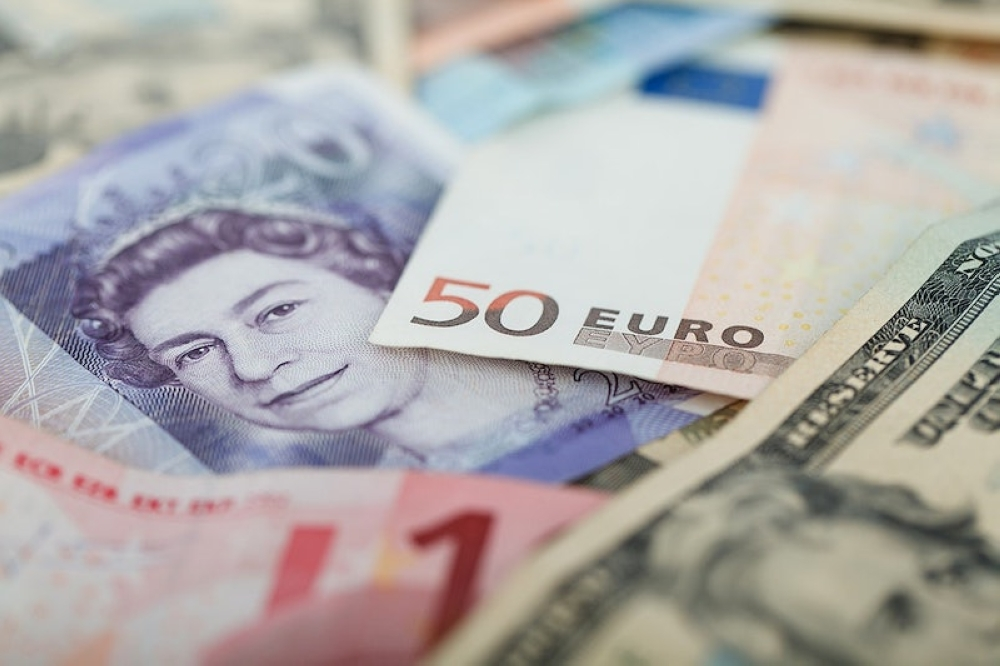
At the close of trading in London, the British pound was trading at $1.3657, down 0.23%. This decline reflects the relative strength of the US dollar in global markets, which is often driven by expectations surrounding the US Federal Reserve's monetary policy and strong macroeconomic data. Conversely, the pound rose 0.10% against the euro to €1.1564, suggesting that the factors affecting the UK economy may be more favorable than those currently facing the Eurozone.
Background and importance of currency movements
Currency pairs such as the British pound against the US dollar (GBP/USD), commonly known as the "cable" among traders, and the British pound against the euro (GBP/EUR) are vital indicators of the health of the UK economy and its trade relations. Historically, these pairs have been directly affected by interest rate decisions made by the Bank of England, the European Central Bank, and the Federal Reserve. Any divergence in monetary policy among these central banks creates opportunities for speculation and leads to price volatility.
Domestically, the pound's depreciation against the dollar affects the cost of dollar-denominated imports, such as oil and commodities, potentially increasing inflationary pressures in the UK. Conversely, its appreciation against the euro makes British exports to the European Union, its largest trading partner, more expensive, potentially impacting the competitiveness of British companies.
Positive performance for the London Stock Exchange
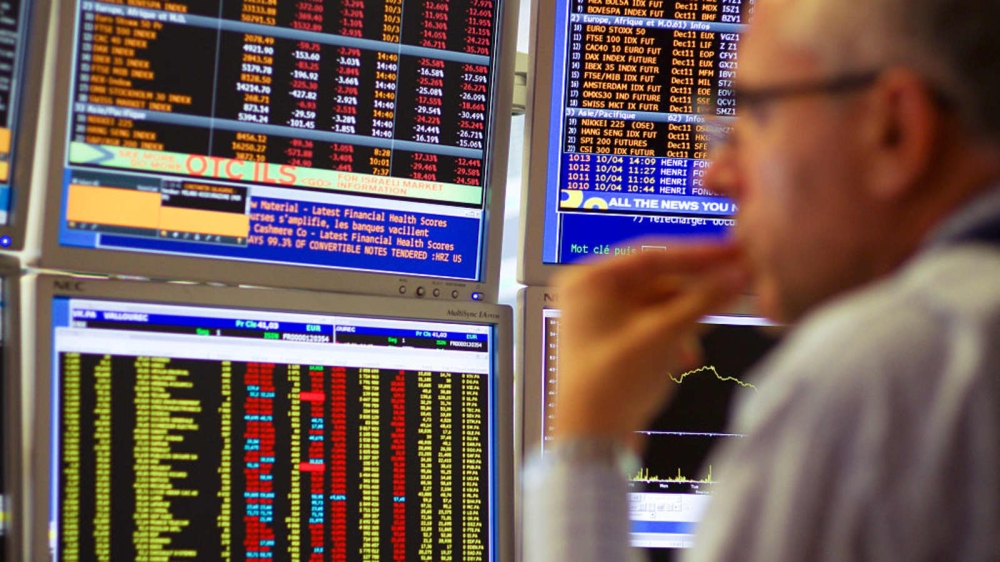
Concurrently with these movements in the currency market, the London Stock Exchange had a positive day, with its main index, the FTSE 100, closing significantly higher by 1.15%. The index, which comprises the 100 largest companies listed on the London Stock Exchange by market capitalization, added 118.02 points to close at 10,341.56 points.
There is often an inverse relationship between the value of the British pound and the performance of the FTSE 100 index. This is because many of the companies included in the index are international firms that generate a significant portion of their profits in foreign currencies, particularly the US dollar. When the pound weakens, the value of these profits increases when converted back to pounds, boosting their share prices and lifting the index overall. Today's performance of the index reflects investor confidence in the performance of major companies and their ability to generate profits in a challenging global economic environment.