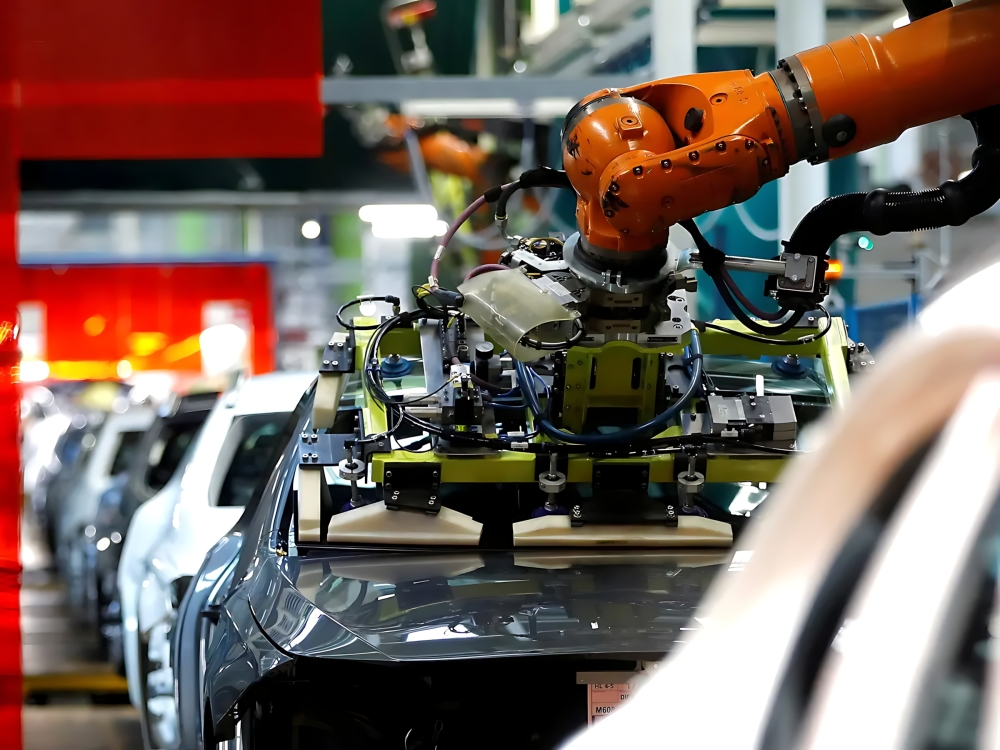
Stellantis, the global automotive giant, announced its first-ever annual loss, a move reflecting the profound transformations underway in the global automotive sector. The company projected a net loss of €22.3 billion ($26.3 billion) for 2025, a dramatic reversal from the €5.5 billion profit of the previous year. This announcement further deepens the uncertainty surrounding the future of electric vehicles.
Background to the event: The birth of a giant amidst transformation
Stellantis was founded in 2021 as a result of a historic merger between the Italian-American Fiat Chrysler Automobiles (FCA) and the French PSA Group (Peugeot Citroën). This merger created the world's fourth-largest automaker, encompassing a diverse portfolio of iconic brands such as Jeep, Dodge, Ram, Chrysler, Fiat, Peugeot, and Alfa Romeo. The primary objective of this giant entity was to pool resources and achieve economies of scale to address the significant costs of the transition to electric vehicles and sustainable mobility, which was then considered the inevitable path for the automotive industry.
Details of the loss and its root causes
Stellantis explained that this historic loss was primarily due to massive asset write-downs of €25.4 billion. These write-downs represent a revaluation of the company's investments in electric vehicle development, as it acknowledged that the value of these assets no longer aligns with expected returns under current market conditions. This decision reflects the slowdown in global electric vehicle sales growth and consumer hesitancy due to factors such as high prices, a lack of charging infrastructure, and concerns about battery range.
Expected impact and strategy redrawing
Despite the shocking loss, the company's shares saw a significant rise following comments from CEO Antonio Velosa, who affirmed that the move is part of a positive shift aimed at boosting the company's long-term profitability. Velosa indicated that the company will bolster its North American production by introducing new products and increasing production of trucks equipped with the still-strong demand Hemi V8 engines. The decision to discontinue some plug-in hybrid models also aligns with the company's focus on more profitable products.
The decision's impact on the global automotive industry
Stellantis’ move is not an isolated event, but rather part of a broader global trend. Other major companies, such as General Motors, Ford, and Honda, have also revised their ambitious electric vehicle plans, announcing delays to some investments or reductions in production targets. This trend underscores that a complete transition to electric vehicles may be more complex and gradual than previously anticipated. Stellantis’ decision sends a strong signal to the market and its competitors that strategic flexibility and a focus on current profitability are now paramount in the face of market volatility and shifting consumer preferences.