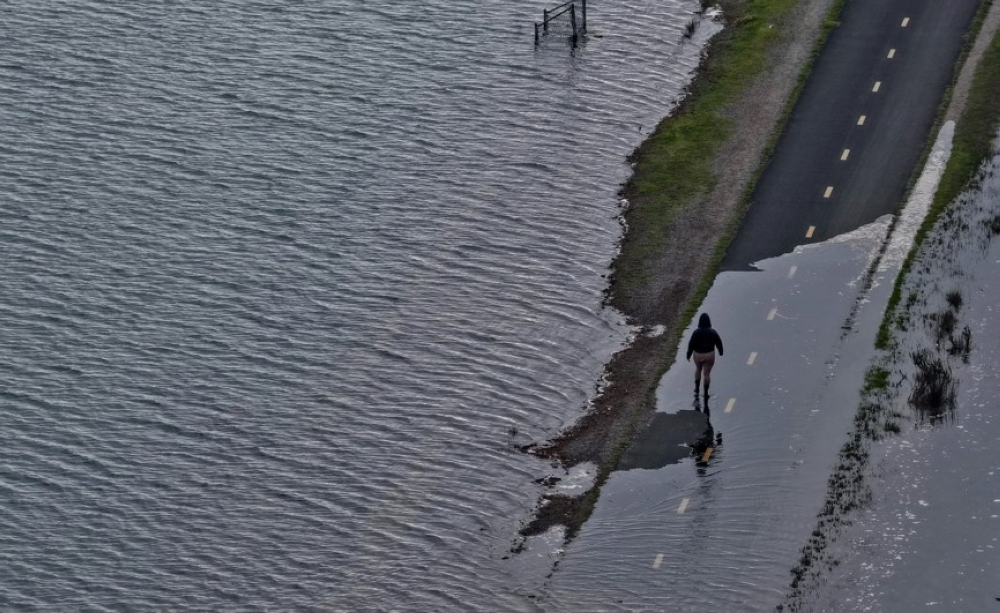
California Governor Gavin Newsom declared a state of emergency in Los Angeles and large swaths of Southern California in response to a severe winter storm and torrential rain battering the region. This preemptive measure comes amid growing concerns about flash flooding and dangerous landslides during the peak Christmas holiday season, putting authorities and residents on high alert.
The “pineapple train” atmospheric phenomenon
These extreme weather conditions are caused by a climatic phenomenon known scientifically as an atmospheric river, or locally as the "pineapple express train." This phenomenon is characterized by the transport of enormous quantities of water vapor and moisture from the tropical regions surrounding the Hawaiian Islands across the Pacific Ocean to the west coast of the United States. These atmospheric rivers have historically been responsible for a significant portion of the annual rainfall in the American West, but when they intensify, they can be as destructive as hurricanes in terms of the amount of water they produce.
Slippery conditions in former fire areas
This storm poses a particular threat to areas that have experienced previous wildfires, such as Malibu and the Pacific Palisades. Geologists note that the burned soil loses its ability to absorb water, turning mountain slopes into extremely slippery terrain prone to mudflows and rockfalls once heavy rains begin. Authorities have placed these coastal areas under close surveillance as they continue to recover from the devastating fires that raged last January.
Emergency procedures and evacuation operations
In a swift response, the Los Angeles Police Department issued mandatory evacuation orders for more than 200 homes, along with widespread warnings for other neighborhoods. The storm had already downed trees, closed several major streets, and left thousands without power. The city prepared emergency shelters for those affected, while the National Weather Service warned of a “significant threat to life and property,” noting the potential for several months' worth of rain in just a few days.
Climate change and the increasing frequency of extreme weather events
Scientists strongly link the increasing intensity of these storms to global climate change caused by human activity. Rising atmospheric temperatures increase the atmosphere's capacity to retain moisture, making rainstorms more intense and destructive. In recent years, California has faced an erratic weather pattern, oscillating between severe droughts and periods of devastating flooding, posing a significant challenge to the state's infrastructure and emergency management systems.