Introduction: The Arab Cup returns with renewed vibrancy and familiar challenges
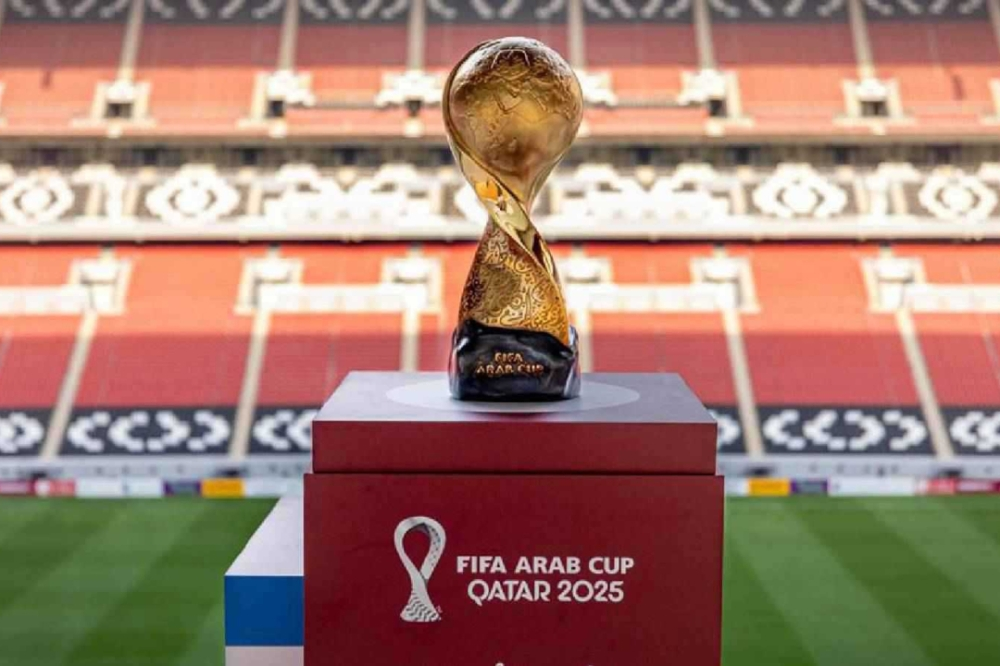
With the FIFA Arab Cup 2025, once again hosted by Qatar from December 1st to 18th, fast approaching, the eyes of football fans across the Arab region are turning to this important sporting event. This edition comes to confirm the great success of the 2021 edition, which was held under the auspices of FIFA for the first time and served as a successful mini-dress rehearsal for the 2022 World Cup. Despite the great enthusiasm, organizational challenges stand out that directly affect the strength of the participating teams, most notably the tournament being held outside of the official international break periods stipulated in the FIFA calendar.
Historical context and importance of the championship
The Arab Cup is not a recent invention; it is a long-established tournament dating back to 1963. Over the decades, it has served as a platform for fair competition and strengthened ties between Arab nations. However, the 2021 edition in Qatar elevated the tournament to a world-class level in terms of organization and media coverage, with the Algerian national team clinching the title after a thrilling competition. Today, the Arab Cup represents an opportunity for Arab national teams to test their strength and provides a platform for local and young players to prove their worth on the regional stage.
The impact of timing: the absence of professional stars
The biggest challenge facing the 2025 edition lies in its being held outside of FIFA's international match calendar. This means that clubs, especially the major European ones, are not legally obligated to release their players for national team duty. Consequently, many national teams have opted to field reserve or domestic squads, resulting in the absence of a host of the brightest Arab stars who ply their trade in the world's top leagues. This situation creates a paradox: while the tournament gains popularity, it lacks one of its most potent attacking weapons, which could negatively impact the overall level of competition.
A heavyweight lineup... the most notable absentees from the tournament
If we were to assemble a national team from the absent players, we would have a squad capable of competing globally. This list is top-class players in every position:
- Goalkeeper: Moroccan Yassine Bounou (Al-Hilal Saudi), one of the best goalkeepers in the world.
- The defense line features Moroccan flying full-back Achraf Hakimi (Paris Saint-Germain), Algerian Rayan Ait-Nouri (Wolverhampton), and Jordanian Yazan Al-Arab (Al-Mu'aidar of Qatar).
- Midfield: The Algerian midfield dynamo Ismaël Bennacer (AC Milan, Italy), the Moroccan talent Azzedine Ounahi (Olympique Marseille), as well as the Algerian magician Riyad Mahrez (Al-Ahli Saudi) and his compatriot Houssem Aouar (AS Roma, Italy) are all absent.
- The attacking line: Leading the absentees are the Egyptian icon Mohamed Salah (Liverpool, England), his brilliant compatriot Omar Marmoush (Eintracht Frankfurt, Germany), and the Moroccan striker Youssef En-Nesyri (Sevilla, Spain).
Tournament system and participating teams
Despite the absences, the tournament maintains its competitive structure. Nine teams qualified directly based on the FIFA rankings: Qatar (host), Algeria (defending champion), Saudi Arabia, the UAE, Egypt, Morocco, Tunisia, Jordan, and Iraq. They were joined by seven other teams through the playoffs: Oman, Comoros, Syria, Palestine, Kuwait, Bahrain, and Sudan. The draw placed Saudi Arabia in a tough group alongside Morocco, Oman, and Comoros, promising exciting matches even with the absence of some key players.