Sri Lanka was struck by a tragic natural disaster last week, with floods and landslides triggered by torrential monsoon rains claiming the lives of at least 40 people, according to the country's Emergency and Flood Management Department. These events compound the suffering of the Indian Ocean island nation, which faces recurring climate challenges.
Details of the disaster in the central regions
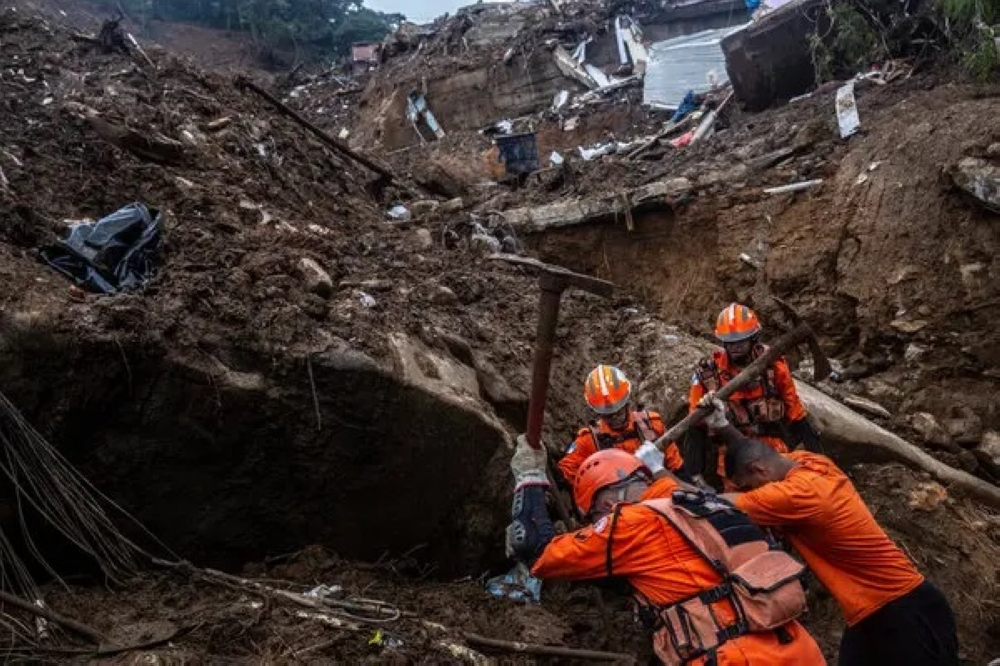
The emergency management agency explained that the greatest damage was concentrated in the Badulla region, located in the country's central hills, an area known for its mountainous terrain and tea plantations. On Wednesday night, torrential rains turned into a nightmare when flash floods swept massive amounts of soil down from the mountains, burying 21 people in their homes as they slept. In the neighboring Nuwara Eliya region, a popular tourist destination known for its cool climate and stunning natural beauty, four more people died in similar landslides.
Casualty figures and material damage
As of Thursday evening, authorities confirmed that 21 people remained missing, raising the possibility that the death toll could rise as search and rescue operations continued in challenging weather conditions. In terms of material losses, approximately 425 homes across the island were damaged or destroyed, forcing authorities to evacuate more than 1,800 families and provide them with emergency shelter in schools and public buildings.
Geographical and climatic context
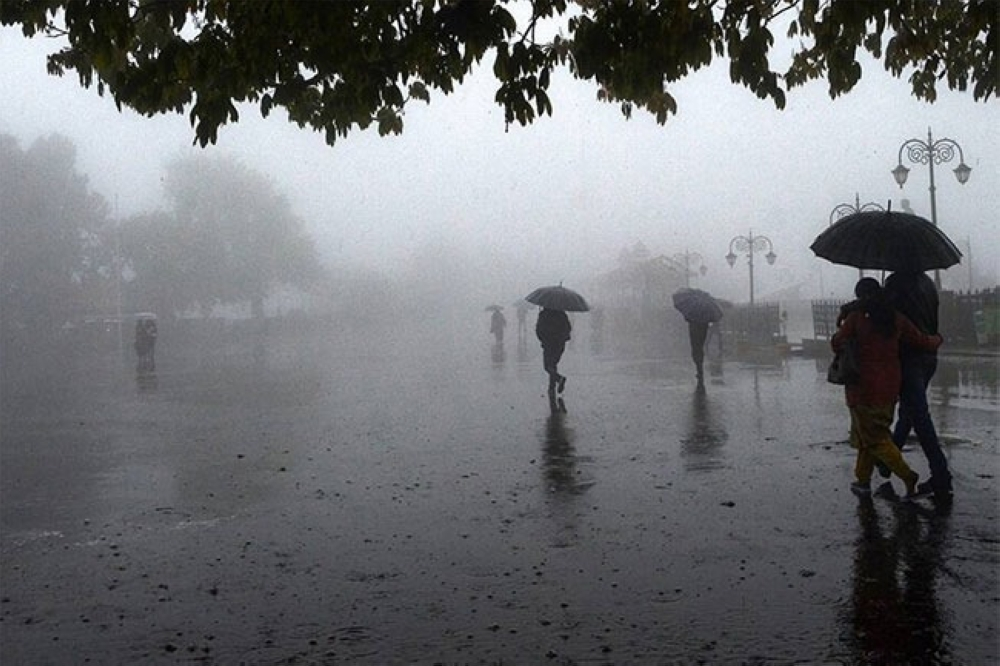
Sri Lanka is regularly affected by heavy monsoon rains, with the country experiencing two major monsoon seasons. These floods coincide with the northeast monsoon (known as the Maha season), which typically brings heavy rainfall to the northern, eastern, and central parts of the country. The central mountainous regions, such as Badulla and Nuwara Eliya, are particularly vulnerable to landslides due to the nature of the soil and the steep slopes, a risk that has been exacerbated in recent years by climate change, which has intensified extreme weather events.
Expected impacts and ongoing warnings
The repercussions of this disaster extend beyond human lives to include economic and social impacts. The affected areas are the heart of tea cultivation, one of Sri Lanka's most important exports, which could disrupt supply chains and the livelihoods of local farmers. Furthermore, the destruction of road infrastructure is hindering the delivery of humanitarian aid to remote villages.
Under these conditions, the Meteorological Authority warned of continued heavy rainfall, expecting water levels to reach 250 millimeters in the northeastern regions, which necessitates residents remaining on high alert and staying away from areas prone to landslides.