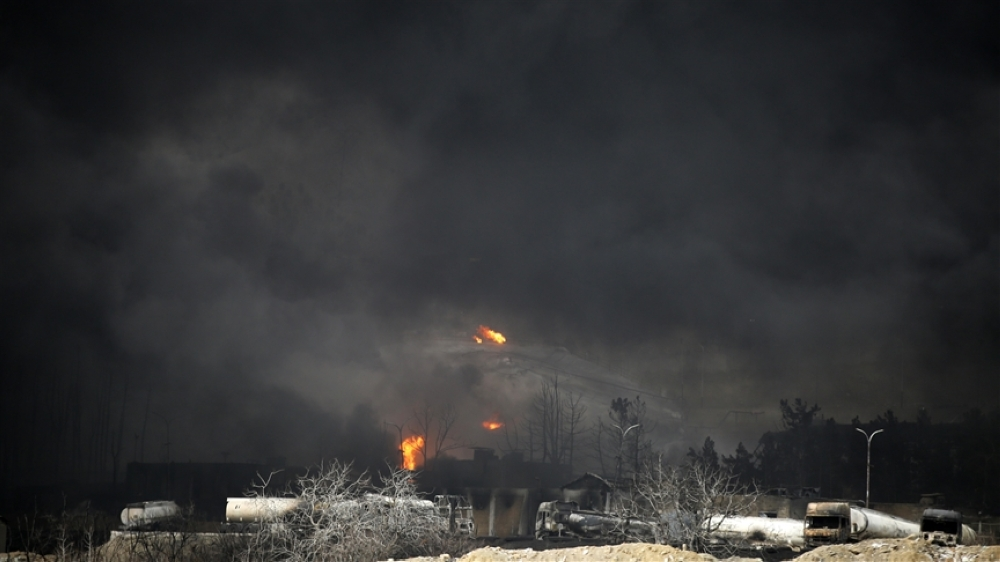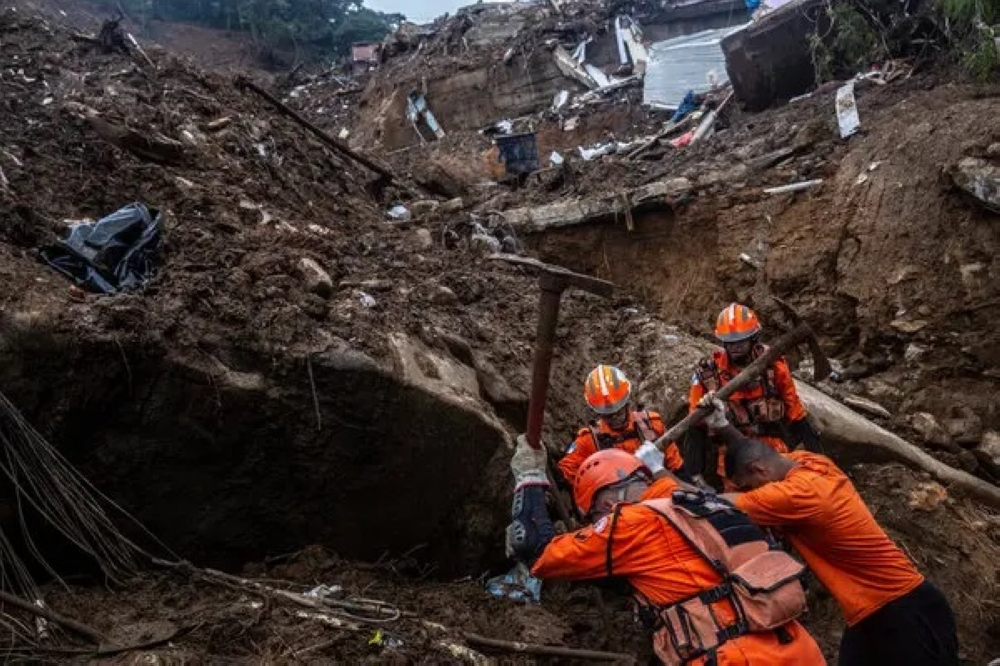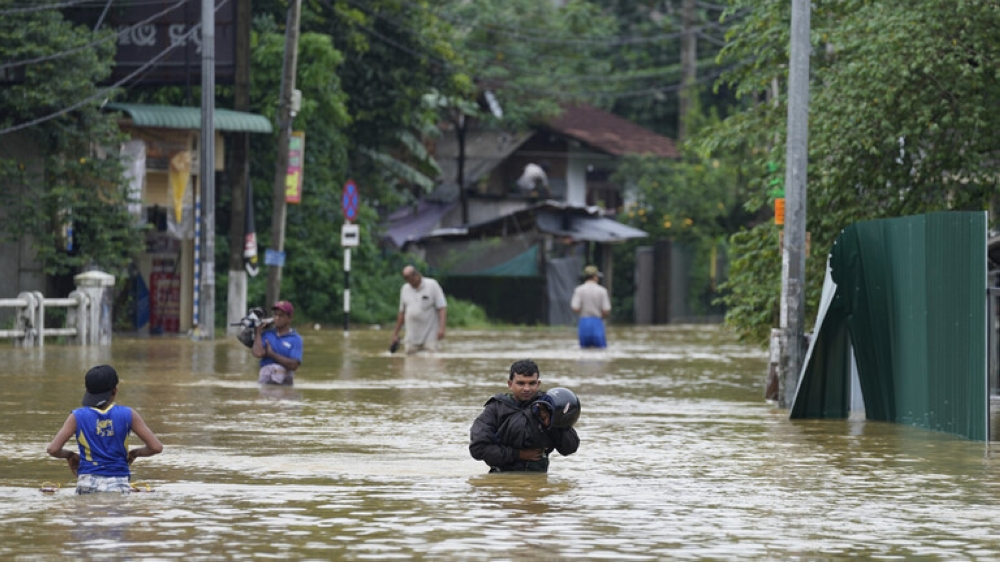
Authorities in Sri Lanka announced today the suspension of passenger train services and the closure of several major roads in affected areas, following a severe wave of landslides and flash floods triggered by torrential rains that have been battering the country since last week. These natural disasters have claimed the lives of more than 30 people, according to the latest figures from government officials.
Details of human losses in mountainous areas
Sri Lanka's government disaster management center reported that rescue teams are facing significant difficulties reaching some of the affected areas. Authorities have recorded 18 deaths in the mountainous districts of Badulla and Nuwara Eliya, regions renowned worldwide for their tea plantations and located approximately 300 kilometers east of the capital, Colombo. These areas have rugged terrain, making them highly susceptible to mudslides during heavy rainfall.
In a related context, the center confirmed that at least 14 other people are still missing, as landslides have buried some homes and isolated entire villages, raising fears that the death toll will rise in the coming hours as search and rescue operations continue.
Impact of severe weather and infrastructure
The total death toll has risen to 31 since the start of the severe weather last week. Heavy rains earlier in the week caused widespread damage to infrastructure, with floodwaters inundating hundreds of homes, submerging farmland, and cutting off major roads connecting provinces.
Field reports also indicated flooding in many reservoirs, dams and major rivers, which prompted the opening of water discharge gates in some dams to relieve pressure, which in turn exacerbated the flooding in low-lying areas and almost completely disrupted traffic and transportation in the affected regions.
The geographical and climatic context of Sri Lanka
Sri Lanka, an island nation in the Indian Ocean, is periodically subjected to severe weather, particularly during the monsoon season. Central regions, such as Nuwara Eliya, are characterized by their mountainous terrain and steep slopes, which, despite their natural beauty and importance for tourism and agriculture, pose a significant risk during the rainy season due to soil erosion.
Meteorologists attribute the increased severity of these phenomena in recent years to global climate changes that have led to irregular rainfall seasons and increased intensity over short periods of time, exceeding the earth's ability to absorb water and the ability of natural and artificial drains to absorb floods.
Potential economic impacts
This disaster is expected to have a significant impact on the local economy, particularly the agricultural sector. The Badulla and Nuwara Eliya regions are the heart of Ceylon's renowned tea industry, and damage to tea plantations and transport infrastructure could lead to substantial financial losses and disruptions to supply chains. The Sri Lankan government is currently assessing the damage and providing urgent assistance to those affected and displaced by this natural disaster.