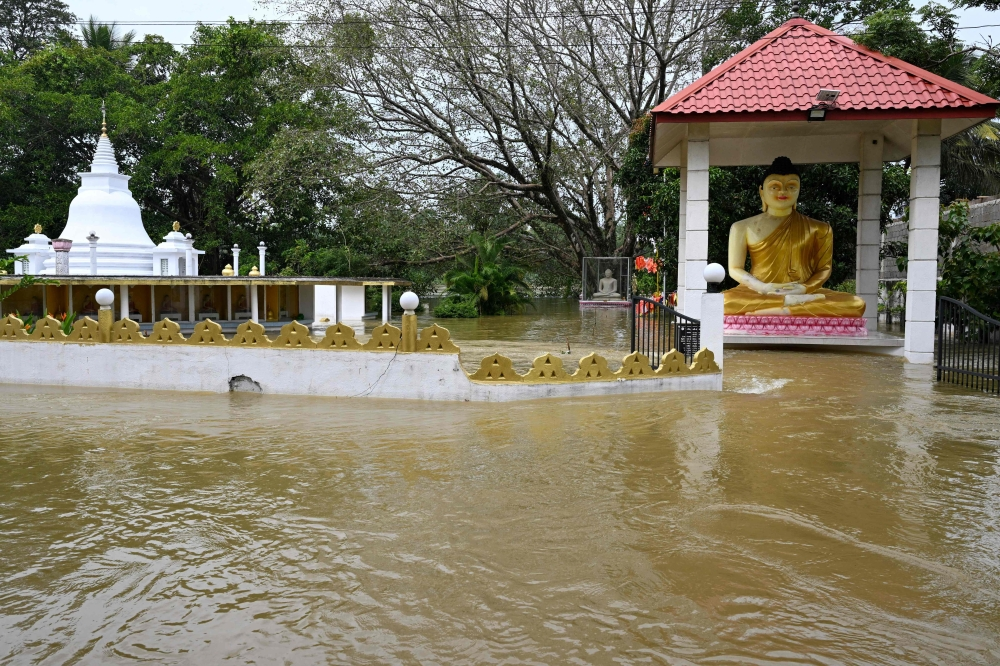
Sri Lankan authorities have announced a tragic rise in the death toll from floods and landslides that swept through the country last week, reaching 410 dead, in a disaster described as the worst to hit the island since the devastating tsunami of 2004. The National Disaster Management Centre confirmed that the heavy monsoon rains directly affected the lives of nearly 1.5 million people, causing widespread destruction of infrastructure and property in several districts.
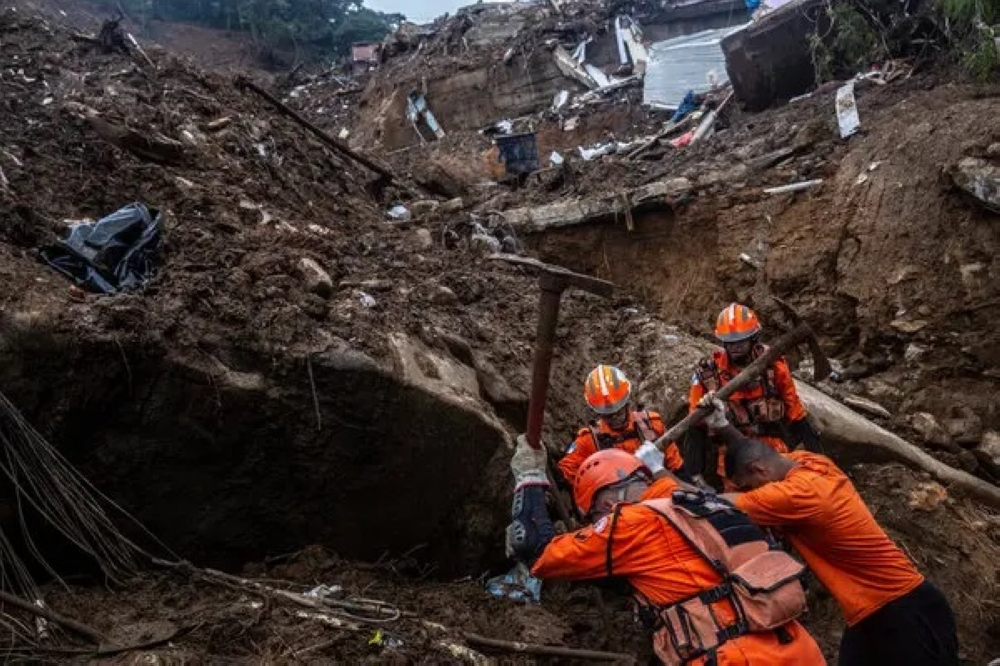
According to the latest data from the Disaster Management Agency, the scale of the material losses was immense, with at least 565 homes completely destroyed and more than 20,271 others partially damaged. Search and rescue efforts are ongoing, with 336 people still missing, raising serious concerns that the final death toll could rise as the search continues in the flooded and muddy areas.
The climatic and geographical context of the disaster
This disaster comes in the context of the southwest monsoon season (Yala), which typically hits Sri Lanka between May and September, bringing heavy rainfall. However, this year's rainfall exceeded expectations, causing major rivers to overflow and saturating the soil, which in turn triggered a series of deadly landslides, particularly in the mountainous and central regions of the country. Factors such as deforestation and unregulated urban sprawl exacerbate these risks, contributing to soil erosion and making it more prone to landslides.
Local and international impacts
Domestically, the floods have triggered a major humanitarian crisis, with hundreds of thousands of residents evacuated to camps and temporary shelters after their villages were completely submerged. The agricultural sector has also suffered extensive damage, particularly rice fields, tea plantations, and rubber plantations, which are cornerstones of the Sri Lankan economy. Health authorities face a significant challenge in preventing outbreaks of waterborne diseases. In response to the disaster, the Sri Lankan government has launched an appeal for international assistance, and humanitarian aid from countries and relief organizations has already begun arriving to support rescue and relief efforts and provide basic necessities to those affected.