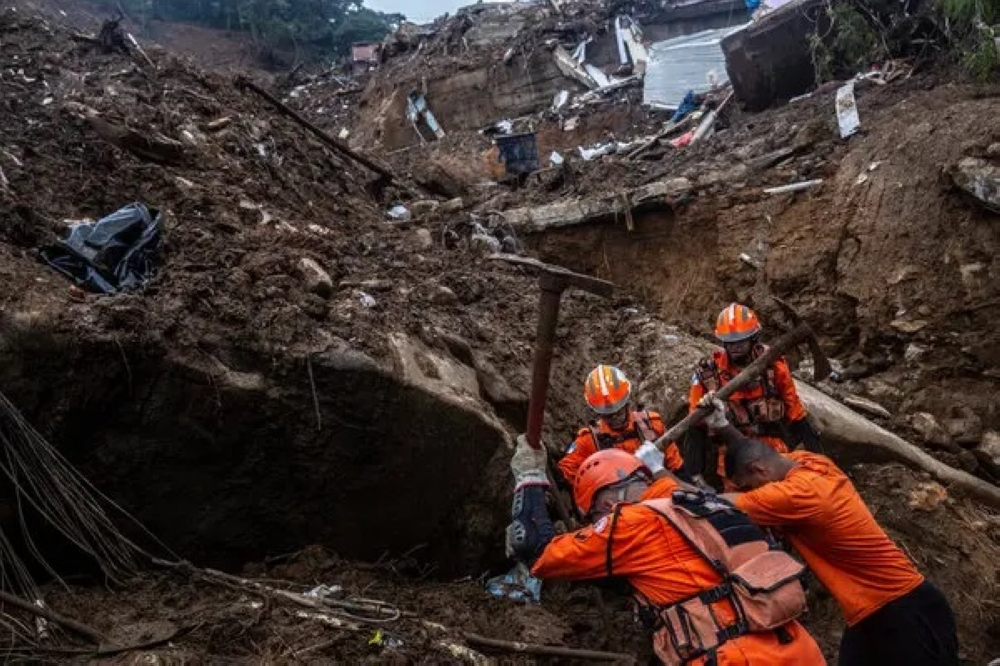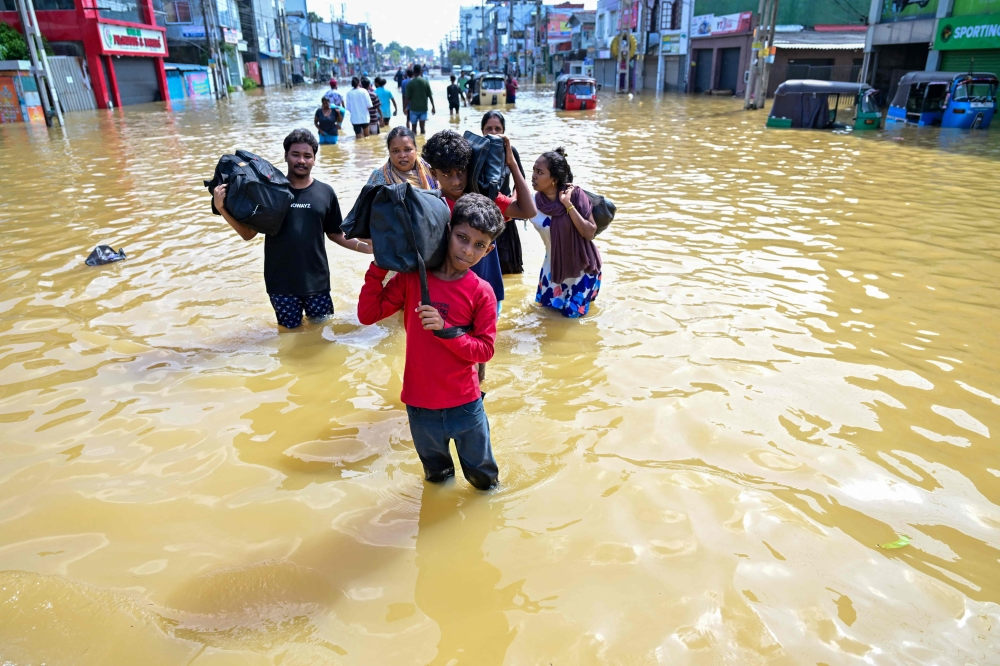
Sri Lankan authorities have announced that the death toll from devastating floods and mudslides has risen to 193 , making it one of the worst natural disasters to hit the island in years. Rescue teams are still desperately searching for 228 people who remain missing, amid fears that the number of victims could climb further. The disaster has displaced nearly 148,000 people from their homes, who have sought refuge in temporary shelters set up by the government and humanitarian organizations.
The crisis began to unfold with unprecedentedly heavy monsoon rains last week, which intensified on Thursday, inundating vast areas of the country's south and west. Homes and farmland were submerged, and major roads were cut off, paralyzing daily life and isolating numerous villages. The central hills, world-renowned for their tea plantations, were among the hardest hit, with the rains triggering devastating landslides that swept away homes and property.
The climatic and geographical context of the disaster
Sri Lanka lies in the heart of the Indian Ocean, making it vulnerable to the effects of the annual monsoon. The country experiences two main rainy seasons: the southwest monsoon (May to September) and the northeast monsoon (December to February). While these rains are essential for agriculture, they have become more extreme and erratic in recent years, a trend experts attribute to global climate change. Furthermore, deforestation in mountainous areas for tea and other crops has weakened the soil, increasing the risk of mudslides during the heavy rainy seasons.
Local and international impacts
Domestically, this disaster represents a major humanitarian and economic crisis. In addition to the devastating loss of life, Sri Lanka faces immense challenges in rebuilding its shattered infrastructure, including roads, bridges, and power grids. The damage to the agricultural sector, particularly tea plantations, a key source of foreign exchange, is also expected to have a negative impact on the national economy. Internationally, humanitarian aid has begun pouring into the country, with neighboring countries and international organizations sending rescue teams and emergency relief supplies to assist in search and rescue operations and support those affected. This disaster occurs within a broader regional context, as other countries in South and Southeast Asia, such as Indonesia, Thailand, and Malaysia, have also experienced devastating floods and landslides, highlighting the region's vulnerability to extreme weather events.