Humanitarian disaster in Sri Lanka
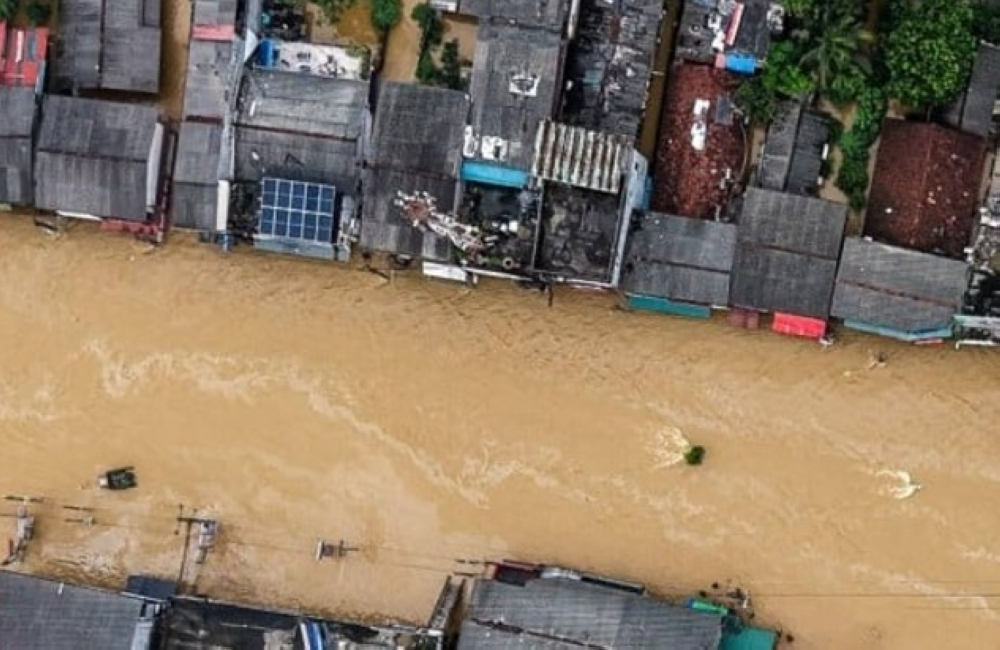
Sri Lankan authorities have announced a tragic rise in the death toll from devastating floods and landslides that have swept across the country, with the confirmed number of fatalities reaching 334, while nearly 400 people remain missing. The National Disaster Management Centre reported that a week of torrential rains, exacerbated by Tropical Cyclone Roanu, has caused one of the worst natural disasters to hit the island in years, affecting the lives of more than a million people and forcing hundreds of thousands to flee their homes.
The general and climatic context of the disaster
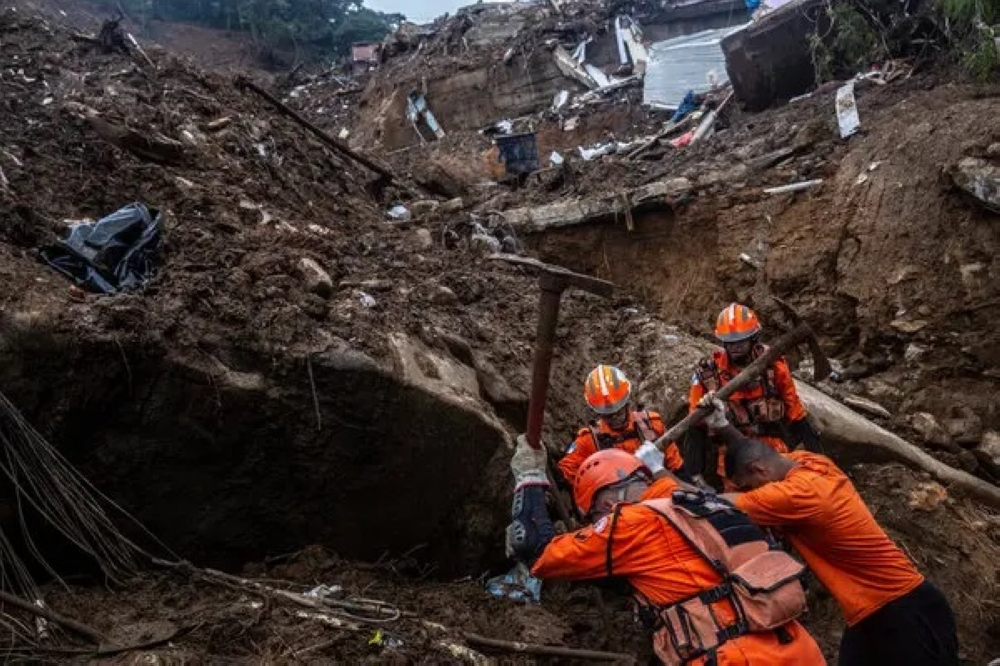
Sri Lanka lies in a tropical region and experiences two monsoon seasons annually, making it perpetually vulnerable to flooding and landslides. However, meteorologists have described the rainfall as the heaviest in over a quarter of a century. This unprecedented downpour caused major rivers to overflow, inundating large areas of the capital, Colombo, and other provinces, while triggering catastrophic mudslides in the mountainous central regions, particularly in the tea-growing Central Hills, where entire villages were buried under tons of mud.
Importance and expected effects
The repercussions of this disaster extend far beyond the immediate human to include profound economic and social impacts. Locally, thousands of homes and vital infrastructure such as roads and bridges have been destroyed, hindering rescue efforts and further isolating affected areas. The agricultural sector, the backbone of the country's economy, has also suffered severe damage, particularly rice and tea plantations, threatening food security and the livelihoods of millions. The country faces a major health challenge with the increased risk of waterborne diseases such as cholera and dengue fever spreading in overcrowded displacement camps.
Local and international response
Regionally and internationally, the disaster sparked widespread concern, and humanitarian aid began pouring into the country. The Sri Lankan government, with the assistance of the army and navy, launched large-scale search and rescue operations, but the scale of the devastation exceeded local capacity. Sri Lanka appealed to the international community for urgent support, and several countries and aid organizations, such as the United Nations and the International Red Cross, responded by providing emergency assistance, food, and shelter to those affected. This disaster once again highlights the vulnerability of developing countries to the impacts of climate change and the urgent need to strengthen early warning and disaster management systems to address similar future challenges.