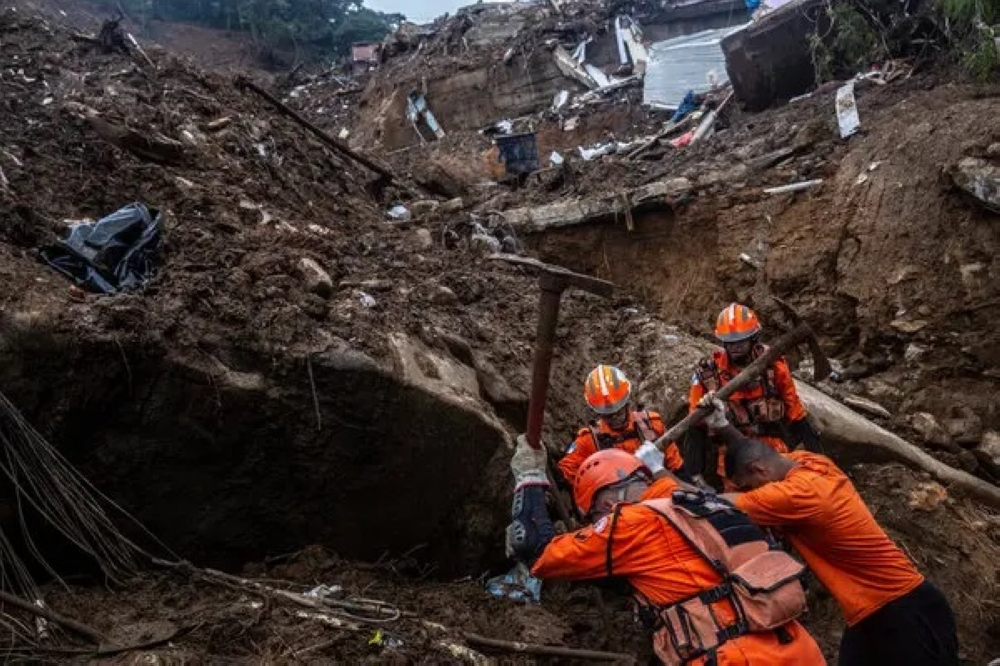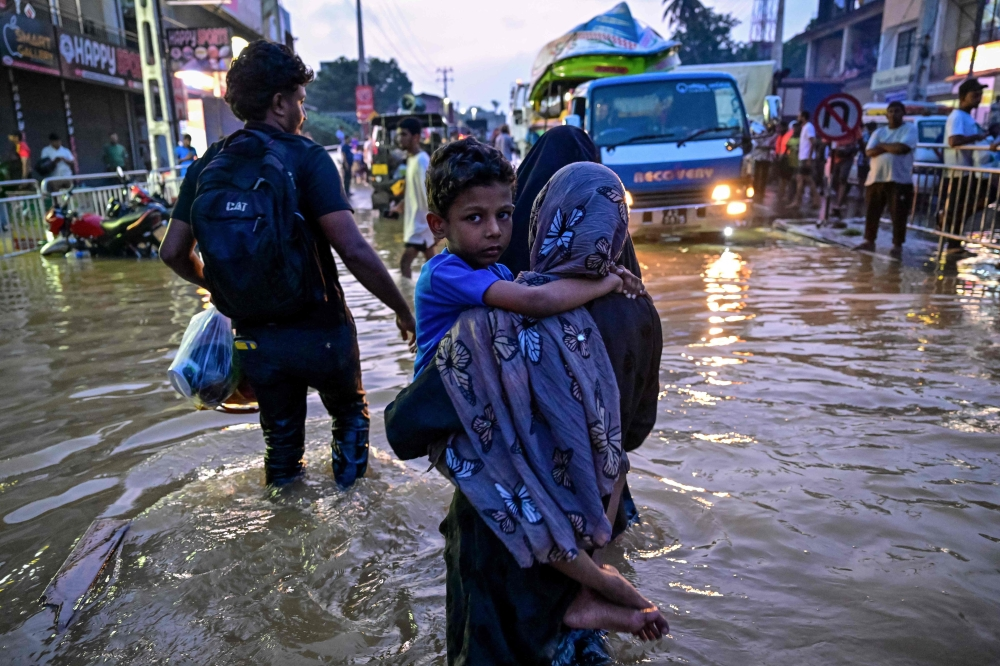
Sri Lanka has suffered one of the worst natural disasters in its modern history, with the country's Disaster Management Centre announcing a tragic rise in the death toll from devastating floods and landslides on Friday. According to the latest official figures, the number of fatalities has reached 607, while the fate of 214 others remains unknown, with hopes fading of finding survivors trapped under the rubble and in the flooded areas.
Details of the disaster and the impact of Cyclone Ditoah
The National Disaster Management Center explained that the primary cause of this tragedy was the impact of Cyclone Detoah, which struck the island with unprecedented torrential rains, leading to widespread flooding and landslides. It is estimated that the cyclone directly affected the lives of more than two million people, displacing hundreds of thousands and destroying infrastructure in numerous villages and towns.
The geographical and climatic context of Sri Lanka
Sri Lanka, an island nation in the Indian Ocean, is constantly vulnerable to climate-related natural disasters due to its geographical location in the path of the monsoon winds. The country typically experiences two rainy seasons, but global climate change has intensified and increased the frequency of these events in recent years, leading to more destructive floods and more frequent landslides, particularly in the mountainous and central regions.
Humanitarian and economic repercussions
The effects of this disaster extend far beyond the devastating loss of life, encompassing long-term economic and social repercussions. The torrential floods have destroyed vast swathes of farmland, upon which a large portion of the population depends for their livelihoods, and have also damaged road networks, electricity grids, and drinking water supplies. This situation presents Sri Lankan authorities with immense challenges in relief and reconstruction efforts, amid fears of waterborne disease outbreaks in the affected areas.
Rescue efforts and the international stance
Although the cyclone moved away from the country on Saturday, rescue teams and the Sri Lankan army are facing significant logistical challenges in reaching isolated areas due to blocked roads and mudslides. Humanitarian organizations are appealing to the international community for urgent assistance to shelter the displaced and provide food and medicine to those affected, as the country struggles to recover from the widespread devastation left by the cyclone on the island nation of approximately 22 million people.