Humanitarian disaster strikes Sri Lanka
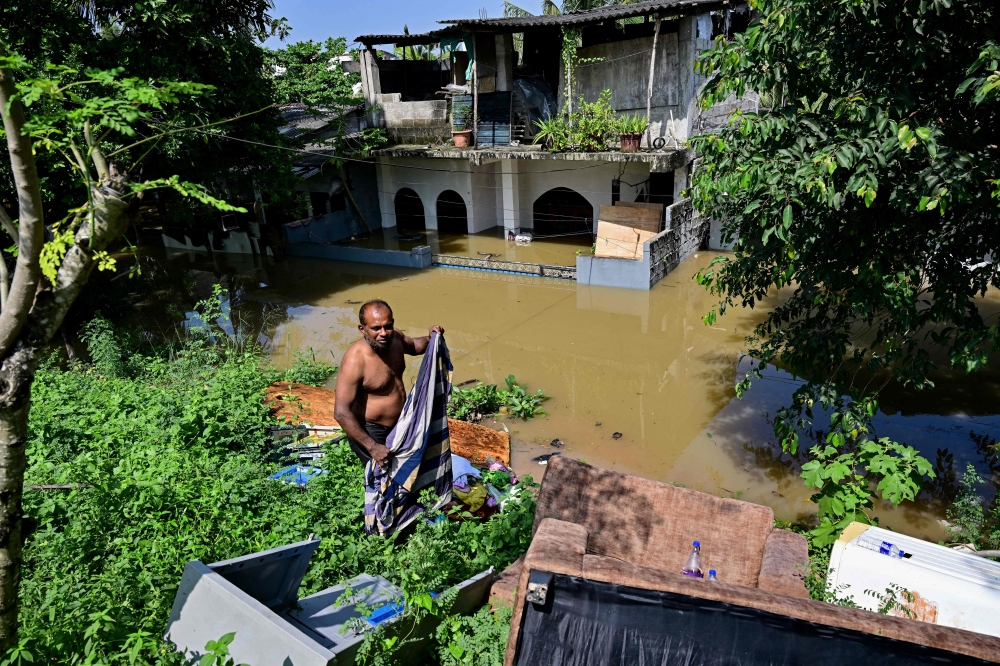
Devastating floods and landslides have struck large parts of Sri Lanka, leaving behind widespread destruction and tragic scenes, particularly in the capital, Colombo, and surrounding areas. Officials have announced that the disaster, caused by torrential monsoon rains exacerbated by a powerful cyclone, has claimed the lives of nearly 200 people, while dozens remain missing, raising fears that the final death toll will rise.
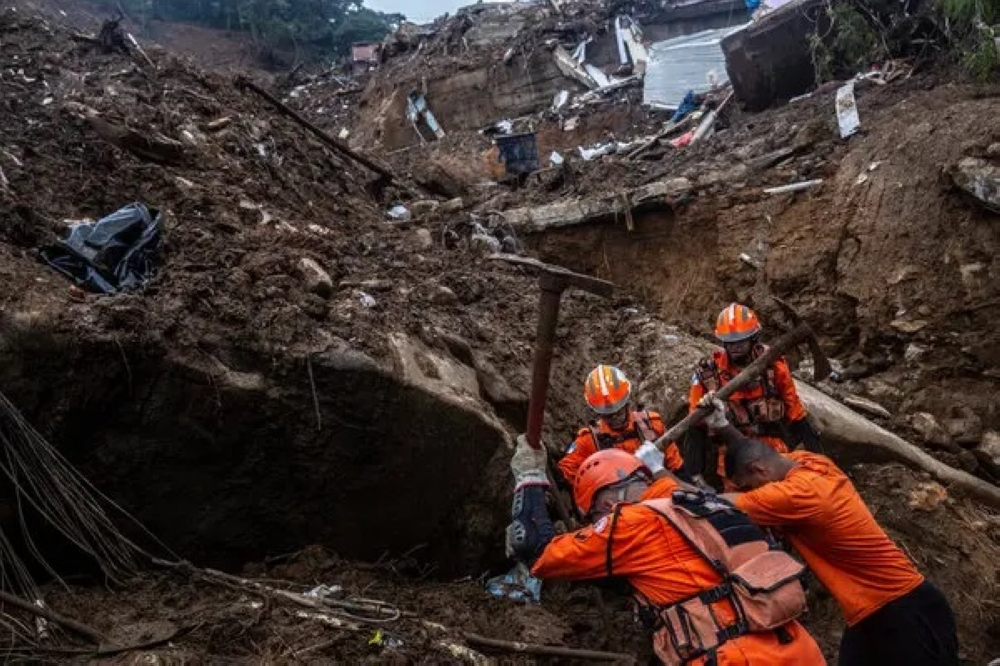
Disaster Management Centre reported that search and rescue efforts are continuing at full speed, with rescuers working to clear debris and reopen roads blocked by landslides and fallen trees to reach the worst-affected areas in the central part of the country. A week of heavy rain has caused the Kelani River to rise dangerously, flooding northern parts of the capital, Colombo, and low-lying areas along its banks.
Climate context and history of natural disasters in Sri Lanka
Sri Lanka lies in a tropical region, making it naturally susceptible to heavy monsoon rains. The island experiences two major monsoon seasons annually, which are vital for agriculture and water resources, but often bring the risk of floods and mudslides, particularly in densely populated mountainous areas. In recent years, the country has seen an increase in the frequency and intensity of extreme weather events, which experts attribute to the effects of global climate change. This disaster is considered one of the worst natural disasters to hit the country in years, recalling the devastating floods of 2003.
The importance and expected effects of the disaster
The effects of these floods extend far beyond the immediate human to include widespread economic, social, and health repercussions. Locally, the disaster has displaced hundreds of thousands of residents who have lost their homes and belongings, creating a humanitarian crisis that requires an urgent response to provide shelter, food, and clean water. Health authorities have also warned of the risk of outbreaks of waterborne diseases such as cholera and dengue fever in the affected areas.
Regionally and internationally, the disaster highlighted the weakness of the region's infrastructure in the face of natural disasters. The Sri Lankan government launched an appeal to the international community for urgent assistance, and some countries and international organizations have already begun sending relief teams and providing material and medical aid to support the response efforts. The disaster is expected to negatively impact vital sectors of the Sri Lankan economy, such as agriculture and tourism, further exacerbating the long-term burden.
Relief efforts and future challenges
With warnings continuing of further landslides due to saturated mountain slopes, authorities are focusing their efforts on evacuating residents from dangerous areas and securing them in temporary shelters. Meanwhile, the country faces a logistical challenge in delivering aid to all those affected. The crisis has also highlighted a critical shortage of blood supplies, prompting the National Blood Bank to issue urgent appeals for donations. The reconstruction phase presents the greatest challenge, requiring massive investments to rebuild destroyed homes and infrastructure, and to develop more effective strategies for adapting to climate change and mitigating future disaster risks.