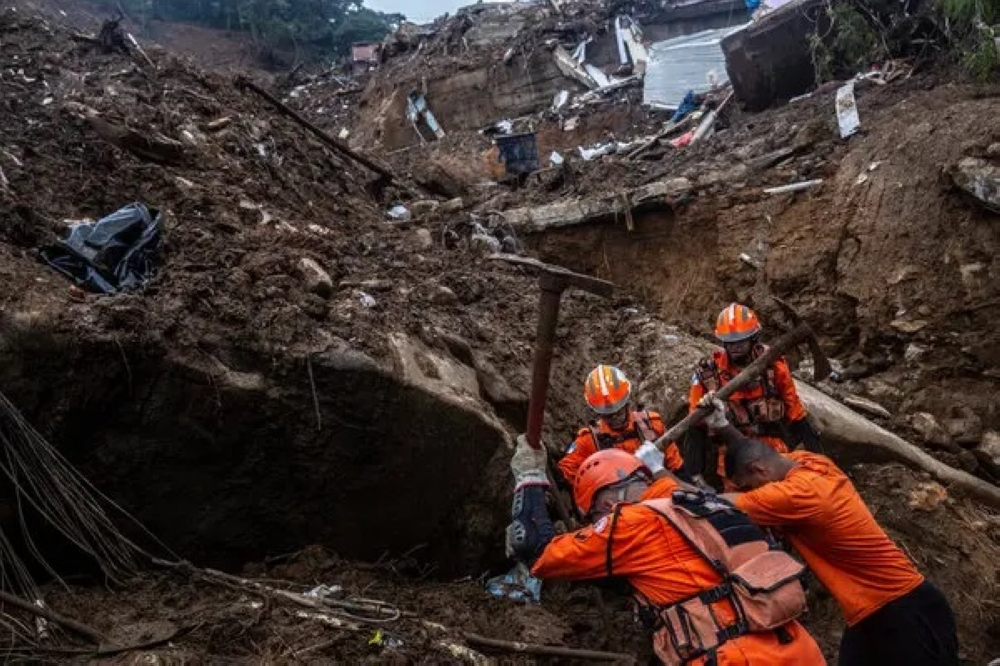
The humanitarian crisis in Sri Lanka has worsened after Cyclone Detwah devastated the country, leaving behind widespread destruction and heavy losses of life and property. Official authorities have announced that the death toll from the cyclone's flash floods and mudslides has risen to 159, while the fate of 203 people remains unknown, raising fears that the number of fatalities will increase as search and rescue operations continue.
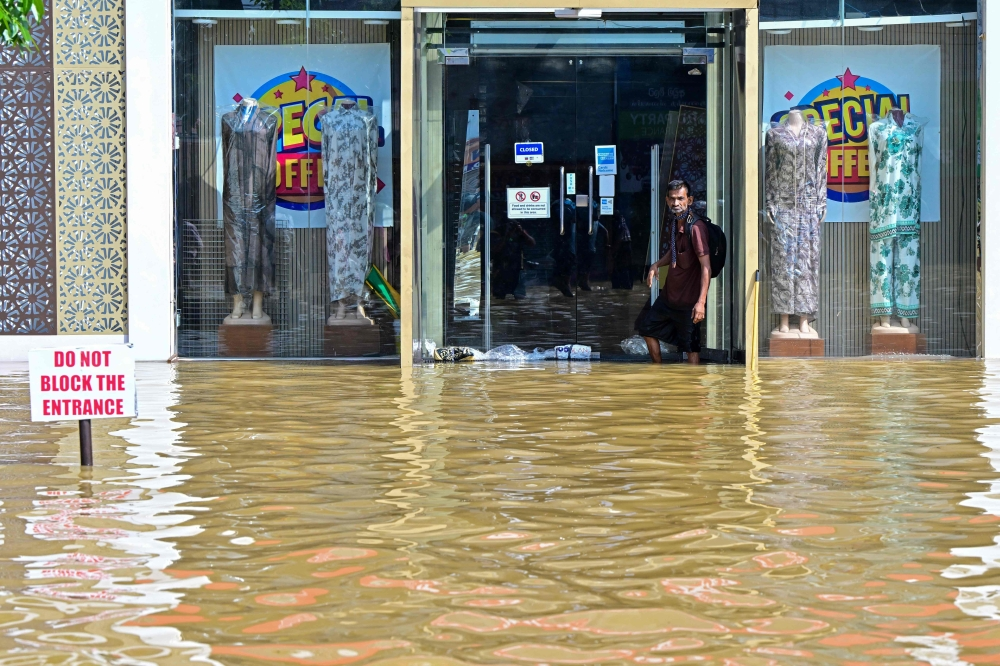
Sri Lanka’s Disaster Management Centre reported that the situation remains critical, particularly in the northern areas of the capital, Colombo, which are experiencing severe flooding. The centre noted that the water level in the Kelani River, one of the country’s main rivers, continues to rise alarmingly, threatening to inundate more residential areas and farmland. The disaster has already completely or partially destroyed more than 20,000 homes, forcing authorities to evacuate 122,000 people to temporary state-run shelters. At least 833,000 others are in urgent need of assistance after being displaced by the floodwaters that have inundated their villages and towns.
The historical and climatic context of disasters in Sri Lanka
Sri Lanka's location in the Indian Ocean makes it highly vulnerable to extreme weather events, including monsoon cyclones. The island experiences two monsoon seasons annually, bringing torrential rains that frequently cause flooding and landslides, particularly in mountainous and lowland areas. Historically, the country has suffered numerous devastating natural disasters, posing a significant challenge to development efforts. This latest disaster further highlights the vulnerability of its infrastructure to climate change, which is intensifying and increasing the frequency of such natural events, underscoring the need for more effective risk management and climate adaptation strategies.
Local and international impacts of the hurricane
Domestically, the cyclone brought life in the affected areas to a near standstill, with roads cut off and bridges destroyed, hindering the arrival of rescue teams and humanitarian aid. The Sri Lankan economy, heavily reliant on agriculture and tourism, is also facing a severe blow. Floods have devastated vast areas of crops, and tourism revenues are expected to suffer. Furthermore, the risk of outbreaks of waterborne diseases such as cholera and typhoid is increasing. In response to the disaster, Sri Lankan President Anura Kumara Dissanayake declared a state of emergency and made an urgent appeal to the international community for assistance in relief and reconstruction efforts, emphasizing that the scale of the disaster is beyond the country's capacity to handle alone.