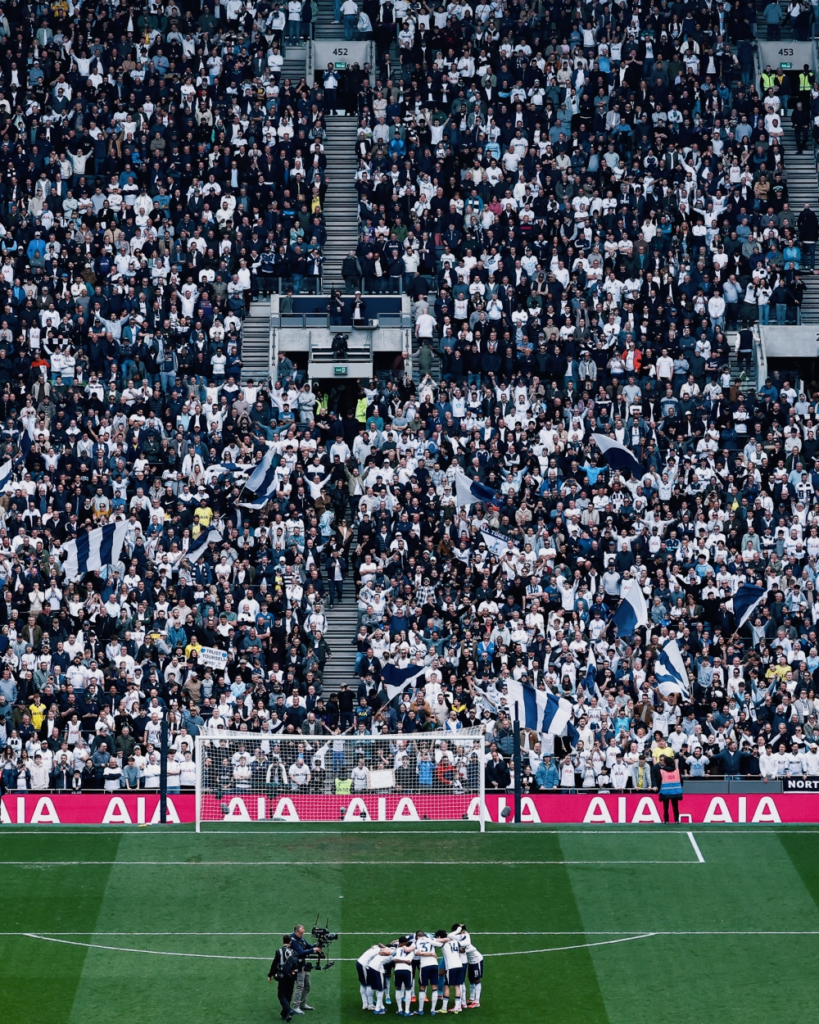
Sports fans are the cornerstone and lifeblood of the football world. They are not just numbers in the stands; they represent the primary brand for the league and the soft power of the clubs. Large crowds give matches an electric atmosphere and provide tremendous moral support to the players. Furthermore, they are a vital economic resource for clubs, as companies compete to sponsor popular clubs to ensure they reach the widest possible consumer base.
A historic shift and unexpected challenges in the Roshan League
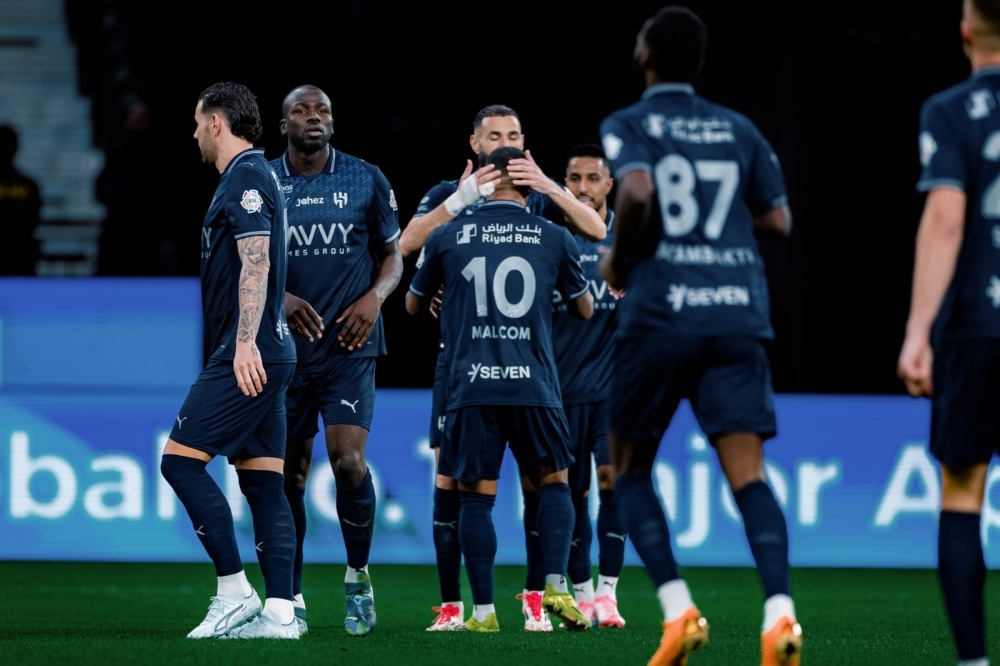
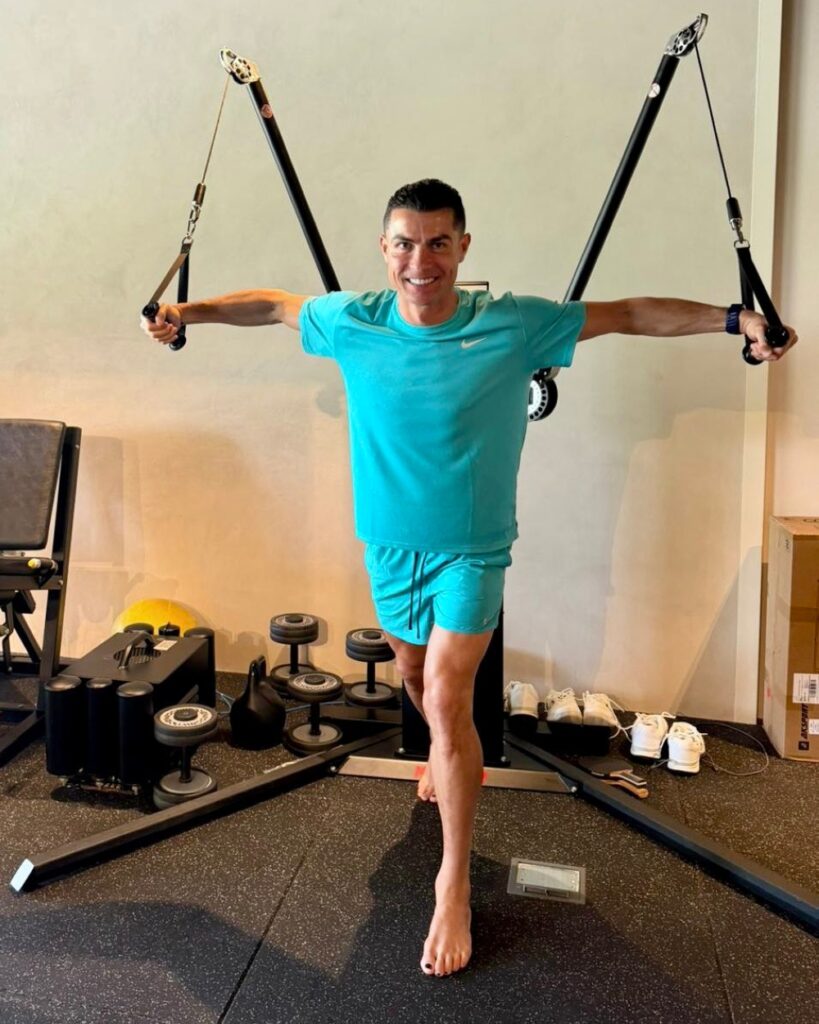
The Saudi Professional League (Roshan League) has witnessed a qualitative and historic transformation over the past two years, in line with the goals of the sports sector in the Kingdom. With the attraction of some of the world's brightest football stars, such as Cristiano Ronaldo, Karim Benzema, Neymar, and Riyad Mahrez, stadium attendance reached record highs, exceeding two million spectators last season. This surge was not merely a temporary phenomenon, but rather reflected the passion of the Saudi sports community and its engagement with the tremendous development in the level of competition.
However, despite the positive decision by the Professional League Association to grant the home team 90% of stadium capacity to boost attendance, a noticeable decline in fan attendance has been observed in the final rounds of the current season, raising serious questions about the reasons. This decline was particularly evident among the fans of clubs with large followings, such as Al-Ittihad and Al-Ahli, who dominated the scene last season. This apathy was apparent in crucial matches, such as the Al-Ittihad vs. Al-Shabab game, leading to speculation about whether the reason lies in weak marketing, high ticket prices, or the poor performance of some teams.
Economic and marketing dimensions of public absence
The impact of the absence of fans extends beyond the technical aspects of the game, encompassing economic and investment dimensions. Clubs rely heavily on ticket sales and related merchandise. Furthermore, the Ministry of Sports has spared no effort in providing incentives, such as prizes for fans and financial support for clubs achieving high attendance rates, all in an effort to enhance the league's market value and position it among the world's top leagues. Therefore, studying the reasons behind this decline and addressing them has become an urgent necessity to ensure the continued success of the league.
Controversy surrounds the timing of the King's Cup semi-finals during Ramadan
In a related matter concerning the scheduling of competitions, another issue has emerged that is troubling the sports community: the scheduling of the King's Cup semi-final matches. The current schedule indicates that the matches (Al-Ahli vs. Al-Hilal and Al-Kholoud vs. Al-Ittihad) will take place at the end of Ramadan, specifically on the 28th of Ramadan. This timing presents a real dilemma for both fans and organizers, given the sanctity of these blessed days.
The last ten days of Ramadan hold special sanctity for Saudi and Muslim communities, as people dedicate themselves to worship, night prayers, and completing the recitation of the Quran. This makes attending matches at stadiums extremely difficult and can lead to nearly empty stands, even for matches as important as the semi-finals of the most prestigious cup competition. While we acknowledge the challenging and congested sporting calendar this season due to international commitments and the Club World Cup, hope remains pinned on the Saudi Arabian Football Federation's competitions committee to find flexible solutions. This could involve either bringing the match forward to the middle of Ramadan or postponing it until after Eid al-Fitr, to ensure the event's success in terms of both audience attendance and marketing, befitting the prestige of this esteemed tournament.