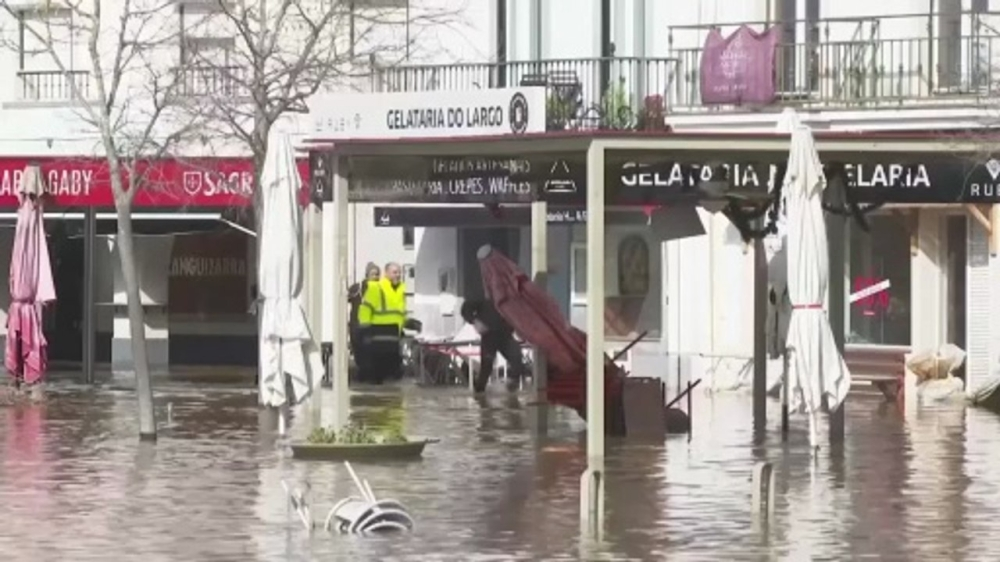
Weather conditions are gradually returning to normal in both Spain and Portugal. The Iberian Peninsula experienced a calm night and less intense rainfall on Sunday, after being battered by Storm Marta with strong winds and torrential rain on Saturday. Although the storm has subsided, its effects are still being felt in many areas, with alerts remaining in place in some provinces and efforts to assess damage and repair affected infrastructure continuing.
In Spain, the national weather agency lowered the alert level, limiting the orange alert to a small number of provinces. However, the storm left behind tragic incidents, with Prime Minister Pedro Sánchez expressing his condolences for the death of a road maintenance worker in an accident involving a snowplow he was operating in a snow-covered area of central Spain. While the exact circumstances of the accident remain unclear, it highlights the risks faced by emergency workers in such severe weather conditions. In a separate incident, a person was hospitalized in the southern region of Andalusia after a wall collapsed due to the heavy rains that have caused flooding in the area, forcing authorities to evacuate more than 11,000 people from their homes in recent days.
General context: The Iberian Peninsula facing climate change
Storm Marta comes within a broader climate context that is worrying scientists and experts. The Iberian Peninsula is one of the regions in Europe most affected by climate change, with studies indicating it has become a "hotspot" for extreme weather events. Over the past few decades, the region has experienced a significant increase in the frequency and intensity of heat waves and droughts, negatively impacting water resources and the agricultural sector. Conversely, prolonged droughts are now being followed by intense, short-lived rainfall events, increasing the risk of floods and landslides, as dry soil is unable to absorb large quantities of water quickly.
Regional and economic impacts of the storm
The storm's impact wasn't limited to Spain. In neighboring Portugal, the Civil Protection Agency described the night as "very calm" compared to Saturday, but challenges remain. Train services are still disrupted on several major lines in the north and center of the country, affecting commuting and business activity. Tens of thousands of homes are without power, and emergency teams are working around the clock to restore services. These recurring events are placing immense pressure on the economies of both countries, which rely heavily on vital sectors such as tourism and agriculture, both highly vulnerable to climate change. Storm Marta underscores the urgent need to strengthen climate adaptation strategies and develop infrastructure that can withstand future storms, which are expected to be more intense.