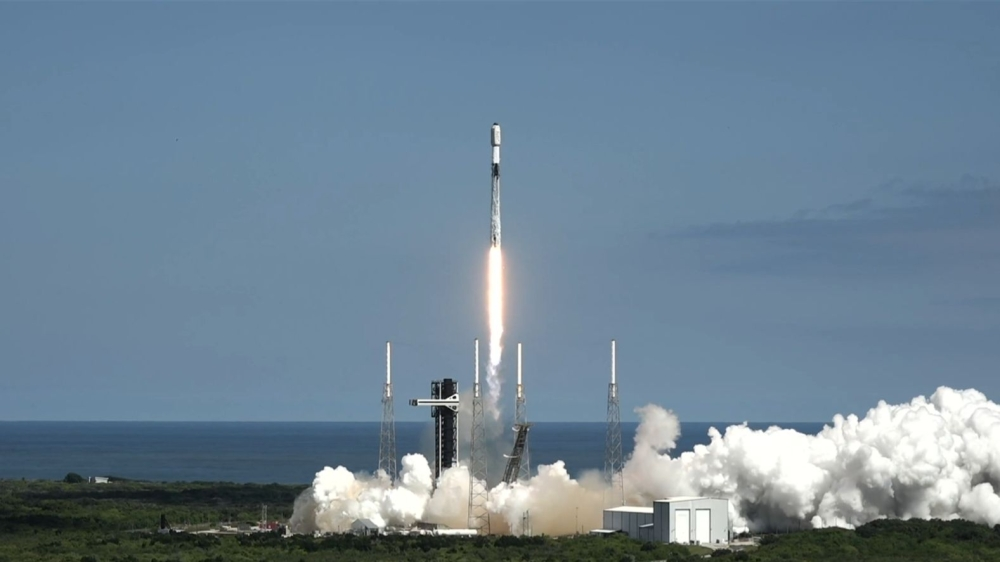
في خطوة جديدة تعكس تسارع وتيرة السباق نحو الفضاء وتعزيز خدمات الاتصالات العالمية، نجحت مؤسسة تكنولوجيات استكشاف الفضاء الأمريكية “سبيس إكس” (SpaceX) يوم الأحد في تنفيذ أولى مهامها المخصصة لمشروع “ستارلينك” لعام 2026. وقد تضمنت المهمة إطلاق 29 قمرًا صناعيًا جديدًا من طراز ستارلينك إلى المدار الأرضي المنخفض، بهدف توسيع نطاق تغطية الإنترنت الفضائي عريض النطاق وتقوية الشبكة الحالية.
وأفادت المؤسسة في بيان رسمي أن الصاروخ “فالكون 9″، الذي يعد العمود الفقري لعمليات الشركة، انطلق من مجمع الإطلاق في قاعدة كيب كانافيرال للقوات الجوية بولاية فلوريدا الأمريكية. وتكللت المرحلة الأولى من الإطلاق بالنجاح التام، حيث تمكن الجزء الأول من الصاروخ من العودة إلى الأرض والهبوط بسلام بعد حوالي 9 دقائق من الإقلاع. وقد تم الهبوط بدقة متناهية على متن سفينة الدرون المسيرة ذاتية القيادة التي تحمل اسم “Just Read the Instructions”، والتي كانت متمركزة في مياه المحيط الأطلسي، مما يؤكد مجددًا على كفاءة تقنية الصواريخ القابلة لإعادة الاستخدام التي طورتها الشركة لتقليل تكاليف الرحلات الفضائية.
وتأتي هذه الخطوة في سياق مشروع “ستارلينك” الطموح، الذي يهدف إلى بناء شبكة ضخمة من الأقمار الصناعية توفر خدمات الإنترنت عالي السرعة وزمن انتقال منخفض للمستخدمين في جميع أنحاء العالم، وبشكل خاص في المناطق النائية والريفية التي تفتقر إلى البنية التحتية التقليدية للاتصالات. وتعد هذه الكوكبة من الأقمار الصناعية جزءًا محوريًا من رؤية الملياردير إيلون ماسك لتمويل مشاريع الفضاء المستقبلية، بما في ذلك طموحات الوصول إلى المريخ.
وتيرة تشغيلية متسارعة وإنجازات متتالية
لم تكن هذه المهمة هي الحدث الوحيد للشركة في عطلة نهاية الأسبوع، مما يبرز القدرات التشغيلية الهائلة التي وصلت إليها “سبيس إكس”. فقبل أقل من 24 ساعة من إطلاق أقمار ستارلينك، وتحديدًا يوم السبت، نفذت الشركة مهمة أخرى ناجحة أطلقت خلالها قمرًا صناعيًا إيطاليًا مخصصًا لرصد الأرض. هذا التتابع السريع في عمليات الإطلاق يعكس الجاهزية العالية لمنصات الإطلاق والفرق الفنية التابعة للشركة.
ويحمل هذا النشاط المكثف دلالات اقتصادية وتقنية هامة على الصعيدين الإقليمي والدولي؛ حيث يساهم استمرار تدفق أقمار ستارلينك إلى المدار في تغيير خريطة الاتصالات العالمية، مما يفرض تحديات جديدة على شركات الاتصالات التقليدية ويفتح آفاقًا واسعة للاقتصاد الرقمي. كما أن نجاح الشركة في تنفيذ مهمتين في غضون يومين يعزز من ثقة الشركاء الدوليين والحكومات في الاعتماد على القطاع الخاص لتنفيذ المهام الفضائية الحيوية، سواء كانت لأغراض تجارية أو علمية أو استراتيجية.