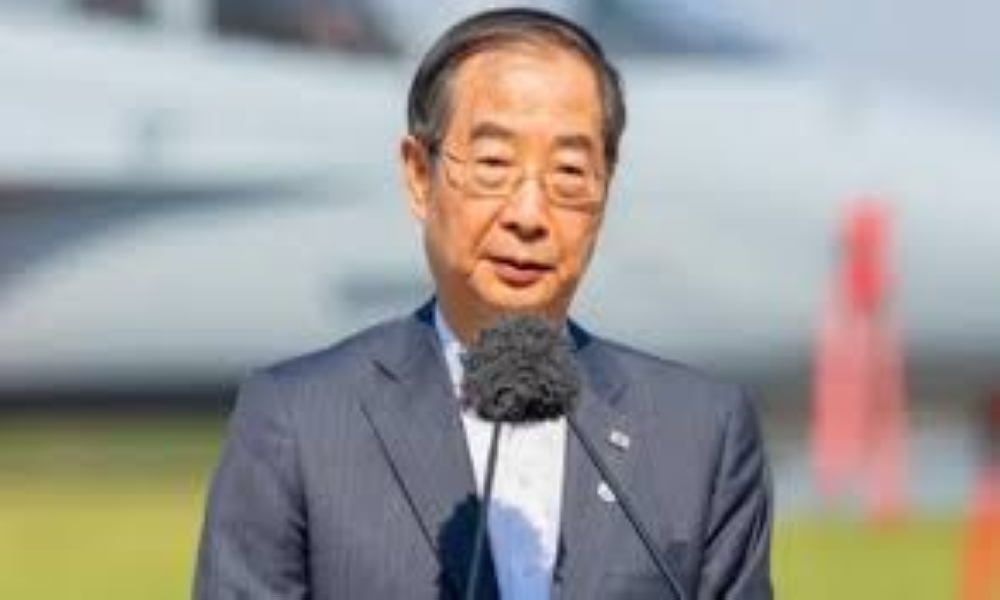
في حكم قضائي تاريخي يعكس خطورة الأزمة الدستورية التي شهدتها كوريا الجنوبية، قضت محكمة في سيول يوم الأربعاء بسجن رئيس الوزراء السابق، هان داك سو، لمدة 23 عاماً. جاء هذا الحكم الصارم بعد إدانته بالتورط في المحاولة الفاشلة لفرض الأحكام العرفية في البلاد في ديسمبر 2023، وهي خطوة هزت أسس الديمقراطية في البلاد.
وقد تجاوز الحكم بشكل كبير العقوبة التي طالبت بها النيابة العامة، والتي كانت 15 عاماً، مما يشير إلى رؤية المحكمة لخطورة الجرائم المنسوبة إليه. وفي حيثيات حكمه، شدد القاضي لي جين غوان على أن “المتهم قصّر حتى النهاية في أداء واجبه ومسؤوليته كرئيس للوزراء”، معتبراً أن تقاعسه أو مشاركته في هذه المحاولة يمثل خيانة عظمى للثقة العامة وللدستور الذي أقسم على حمايته.
خلفية الأزمة: محاولة فرض الأحكام العرفية
تعود جذور القضية إلى ليلة 3 ديسمبر 2023، عندما أعلن الرئيس آنذاك، يون سوك يول، بشكل مفاجئ فرض الأحكام العرفية في خطاب متلفز، متذرعاً بضرورة مواجهة “القوى الموالية لكوريا الشمالية” التي زعم أنها تهدد الدولة. أثارت هذه الخطوة، التي لم تشهد البلاد مثيلاً لها منذ عقود من الحكم العسكري، صدمة واسعة النطاق ومقاومة فورية من مختلف الأطياف السياسية والمجتمعية.
وقد تحرك البرلمان الكوري الجنوبي (الجمعية الوطنية) بسرعة نادرة، حيث صوتت أغلبية ساحقة من النواب، بمن فيهم أعضاء من الحزب الحاكم آنذاك، على إلغاء قرار الأحكام العرفية بعد ساعات قليلة من إعلانه. هذا الإجماع السياسي عكس الرفض القاطع لأي محاولة للعودة بالبلاد إلى عهود الديكتاتورية العسكرية التي ناضلت طويلاً للتخلص منها وترسيخ الديمقراطية في أواخر الثمانينيات.
أهمية الحكم وتأثيره المتوقع
على الصعيد المحلي، يُعتبر هذا الحكم بمثابة ترسيخ لمبدأ سيادة القانون والفصل بين السلطات في كوريا الجنوبية. إنه يبعث برسالة واضحة مفادها أنه لا يوجد أي مسؤول، مهما علا منصبه، فوق الدستور. كما يعزز الحكم الثقة في المؤسسة القضائية وقدرتها على محاسبة كبار المسؤولين عن أخطر الجرائم ضد الدولة. ويُتوقع أن يكون لهذا القرار القضائي تأثير دائم على المشهد السياسي، حيث يؤكد على قوة المؤسسات الديمقراطية في مواجهة أي محاولات لتقويضها.
على الصعيدين الإقليمي والدولي، كانت الأزمة وتداعياتها محط أنظار العالم، نظراً لمكانة كوريا الجنوبية كقوة اقتصادية كبرى وحليف استراتيجي للولايات المتحدة. أثارت محاولة فرض الأحكام العرفية قلقاً بشأن الاستقرار السياسي في شبه الجزيرة الكورية. إلا أن سرعة إفشال المحاولة والمساءلة القضائية الصارمة التي تلتها، تبعث برسالة إيجابية حول نضج ومرونة الديمقراطية الكورية، مما قد يشكل نموذجاً في منطقة تواجه تحديات ديمقراطية متزايدة.