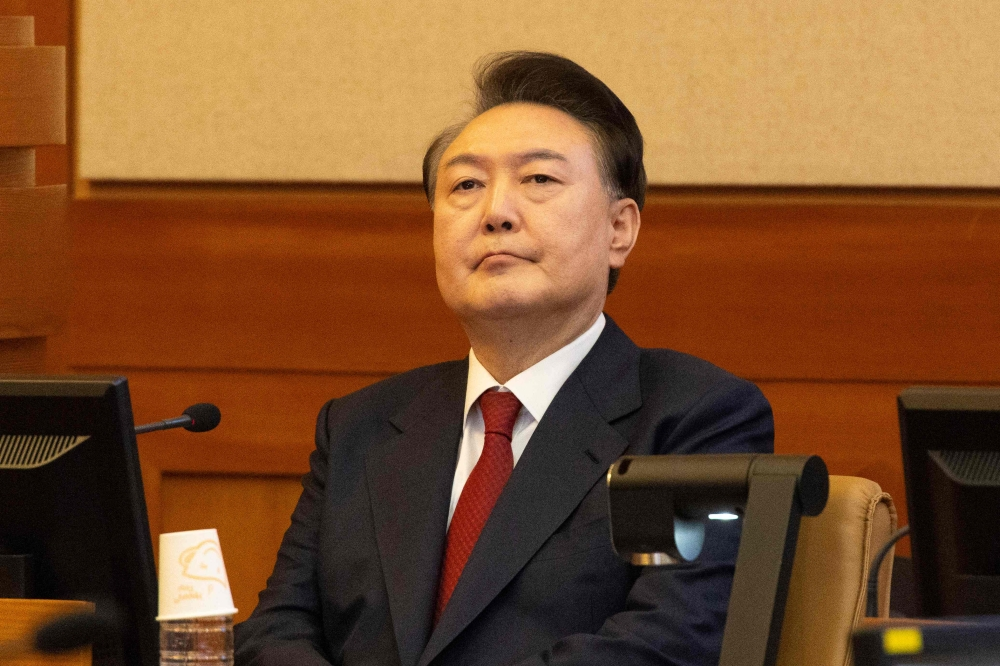
In a surprise move that shook South Korea's political landscape and sparked international concern, President Yoon Suk-yeol announced the imposition of martial law in the country in late 2024, plunging Asia's fourth-largest economy into political turmoil. Although the decision was reversed just hours later under immense public and parliamentary pressure, its repercussions continue to this day, highlighting deep political divisions and posing a significant test to the country's democratic institutions.
Historical background and tense political context
The declaration of martial law came amid a politically charged period for President Yoon, who was facing low approval ratings and a parliament controlled by the opposition. The president based his decision on accusations that the opposition Democratic Party was engaged in “anti-state activities” and had harbored sympathies for North Korea. This move evoked dark periods in South Korean history, which endured decades of military dictatorship, particularly under Park Chung-hee and Chun Doo-hwan. The collective memory of events like the 1980 Gwangju Uprising, which was brutally suppressed under martial law, has made South Korean society highly sensitive to any use of military power in civilian affairs, explaining the swift and angry reaction to President Yoon’s decision.
The effects of the crisis at the local and international levels
Domestically, the declaration of martial law brought Seoul to a near standstill as lawmakers from both the ruling and opposition parties attempted to prevent the military from storming the National Assembly building. This moment demonstrated a rare unity among political rivals in the face of what they perceived as an existential threat to democracy. The opposition immediately submitted a motion to impeach the president, and although the attempt failed to secure the necessary majority, it revealed the extent of President Yoon's political isolation. The crisis eroded confidence in his leadership and sparked widespread calls for his resignation, significantly weakening his position for the remainder of his term.
Internationally, the events were followed with great concern, particularly by South Korea’s key allies such as the United States. South Korea is seen as a model of successful democracy in Asia, and any sign of political instability raises concerns about the economic and security repercussions in an already volatile region. The crisis has negatively impacted the country’s image as a stable democracy, prompting assurances from the South Korean government of its commitment to the constitution and democratic principles. This event remains a pivotal chapter in South Korea’s modern history, highlighting the strength of its democratic institutions and the resilience of its people in defending them.